How to Wash Hypoallergenic Mattress Protectors Without Clogging Pores
Always check the care label before washing your hypoallergenic mattress protector, since materials like bamboo, cotton, or polyester react differently to heat and agitation. Use cold water and the delicate cycle to protect the moisture-wicking coating and microporous membrane. Skip bleach and fabric softeners-they break down protective layers and leave irritating residue. Choose a mild, fragrance-free detergent and add an extra rinse to remove buildup. Air dry flat to maintain breathability and prevent pore clogging. Proper care keeps the barrier effective and extends warranty coverage. You’ll get better long-term results when each step supports the fabric’s engineered performance.
Notable Insights
- Always check the care label to follow material-specific washing instructions and preserve pore integrity.
- Use a mild, fragrance-free detergent to prevent residue buildup that can clog breathable membrane pores.
- Wash in cold water on a delicate cycle to protect the protector’s moisture-wicking and allergen-blocking layers.
- Avoid bleach and fabric softeners, as harsh chemicals degrade microporous barrier technology and reduce breathability.
- Air dry flat to maintain the waterproof membrane and prevent heat damage from tumbling.
Check Your Mattress Protector’s Care Label First
Before tossing your hypoallergic mattress protector in the wash, take a moment to check the care label-manufacturers often include specific instructions that help maintain both performance and durability. You’ll want to pay close attention to material compatibility, as fabrics like bamboo, cotton, or polyester blends react differently to heat and detergents. Some protectors tolerate machine washing well, while others require gentle cycles or hand washing to preserve their moisture-wicking and allergen-blocking layers. The label also guides your washing frequency; most experts recommend every one to two months, but those with allergies or night sweats may need to wash more often. Following these guidelines guarantees the protector stays effective without degrading prematurely. Always air-dry or use low heat to prevent shrinkage. Respecting these details helps sustain comfort and support, contributing to better sleep hygiene over time. For cotton-based models, choosing a top-rated cotton protector can ensure both breathability and long-term performance.
Avoid Harsh Chemicals That Damage Hypoallergenic Layers
While keeping your hypoallergenic mattress protector clean is essential for long-term performance, using harsh chemicals like bleach or fabric softeners can break down the special barrier layers that block allergens and moisture. These substances cause material degradation, weakening the fabric’s integrity and reducing its effectiveness over time. You might also experience chemical irritation, especially if you have sensitive skin or respiratory concerns, since residue can linger after washing. Protecting your sleep environment means preserving both comfort and function, so avoid anything that compromises the protector’s design. Stick to gentle cleaning methods that maintain the fabric’s breathability and allergen resistance without introducing unnecessary risks. By avoiding harsh additives, you extend the life of your protector and support consistent sleep quality. This small choice helps guarantee your sleep aid continues performing as intended, night after night, without unintended side effects that disrupt rest or damage the product’s construction.
Use a Mild Detergent Safe for Sensitive Skin and Fabrics
You’ve already skipped the harsh chemicals that can ruin your hypoallergenic mattress protector, and now it’s time to pick the right detergent to keep it working well. Choose a mild, fragrance-free formula labeled safe for sensitive skin and delicate fabrics. This guarantees gentle cleaning without breaking down the protector’s specialized barrier. Harsh surfactants or dyes can linger in fibers, reducing breathability and potentially irritating skin over time. By using a hypoallergenic detergent, you support long-term skin comfort and maintain the fabric’s protective qualities. Look for products tested by dermatologists and free of optical brighteners. These detergents clean effectively while preserving the integrity of moisture-wicking and allergen-blocking layers. Always follow care labels, and consider a second rinse cycle to remove any residue. Proper detergent choice extends the life of your protector and contributes to a healthier sleep environment, especially for those managing eczema or allergies. For even better results, pair your cleaning routine with best hypoallergenic bedding picks to create a fully allergen-reduced sleep space.
Wash in Cold Water on Delicate to Protect the Barrier
When washing your hypoallergic mattress protector, using cold water on a delicate cycle helps preserve the integrity of its protective barrier. A cold wash prevents heat damage to the fabric’s tight weave and moisture-wicking coating, both critical for breathability and allergen blocking. Delicate care reduces fiber stress, minimizing pilling and maintaining soft grinding over time. High heat or aggressive agitation can weaken the polyurethane or TPU membrane underneath, leading to micro-tears that compromise performance. To guarantee long-term comfort and function, always choose a gentle spin and low agitation setting. This method supports consistent airflow and skin-friendly contact, especially important if you deal with night sweats or sensitive skin. The material’s durability improves with this mild routine, extending its usable life without sacrificing protection. Stick to cold wash and delicate care-it’s a small step that makes a noticeable difference in how your protector feels and performs night after night. Choosing the right orthopedic mattress toppers can further enhance sleep quality by providing targeted support and pressure relief.
Skip Fabric Softener and Bleach for Long-Lasting Performance
Always skip fabric softener and bleach when washing your hypoallergenic mattress protector-they might seem helpful, but they actually degrade the material over time. These additives leave behind chemical residue that builds up in the fabric, weakening its protective barrier. That residue can also contribute to pore blockage, reducing breathability and making the surface less effective at managing moisture and temperature. Since hypoallergenic protectors rely on tightly woven, performance-driven fabrics, maintaining their original structure is key to long-term comfort and protection. You’ll preserve the material’s integrity and keep it functioning as designed by avoiding harsh chemicals. Over time, this small choice supports better sleep hygiene and extends the life of the protector, which is especially important if you deal with allergies or sensitivities. Most warranties recommend this care method too, so following it helps keep your trial or guarantee valid.
Air Dry Flat to Maintain Waterproof and Breathable Function
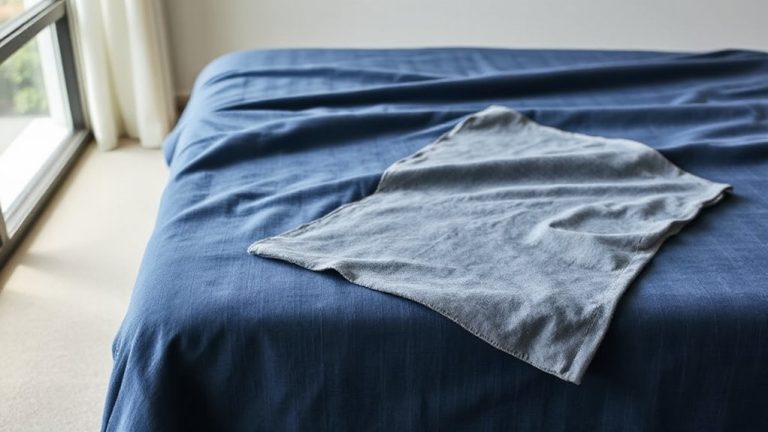
Laying your hypoallerg猛烈enic mattress protector flat to air dry helps preserve both the waterproof membrane and the breathable fabric layers. This method supports ideal airflow efficiency, allowing moisture to escape evenly without stressing the delicate barrier technology. You’ll want to avoid hanging it, as gravity can stretch the seams and compromise the fit on your mattress. Flat drying on a clean, dry surface-like a rack or towel-prevents wrinkles and maintains structural integrity over time. Since these protectors rely on microporous membranes for breathability, tumble drying can degrade that performance. Air drying gently restores softness while protecting the coating that blocks allergens and liquids. Most manufacturers recommend this approach to honor warranty standards. If you’re sensitive to moisture retention or managing sleep-related allergies, preserving breathability supports more consistent sleep conditions. Try flat drying after each wash-you may notice better comfort and longer usability across seasons.
On a final note
You’ve cleaned your hypoallergenic mattress protector right-cold water, mild detergent, no bleach or softener. Air drying keeps the barrier intact so it stays breathable and effective. This care preserves what makes it work: the tight weave that blocks allergens without trapping heat. With proper washing, it supports better sleep hygiene for sensitive skin or allergies. Most brands last years if maintained well, and many offer trial periods-test it risk-free to see how it affects your rest.