How Chronotherapy Works for Delayed Sleep Phase Disorder Management
You can manage delayed sleep phase disorder with chronotherapy by gradually shifting your bedtime earlier in 15-minute increments every few days, helping reset your internal clock. Pair this with a consistent wake time, morning light exposure, and a calming routine. Avoid evening brightness and screens to support the shift. If progress stalls, other strategies like light therapy or melatonin might help-options worth exploring further.
Notable Insights
- Chronotherapy gradually shifts bedtime earlier by 15-minute increments every few days to reset the circadian rhythm.
- Consistent wake times, even on weekends, help stabilize the body’s internal clock during treatment.
- Morning bright light exposure, such as from a 10,000 lux lamp, reinforces the desired circadian shift.
- Evening light is minimized to under 500 lux to prevent melatonin suppression and support earlier sleep onset.
- Melatonin supplements may be used short-term to aid the timing shift when combined with behavioral adjustments.
What Is Delayed Sleep Phase Disorder (DSPD)?
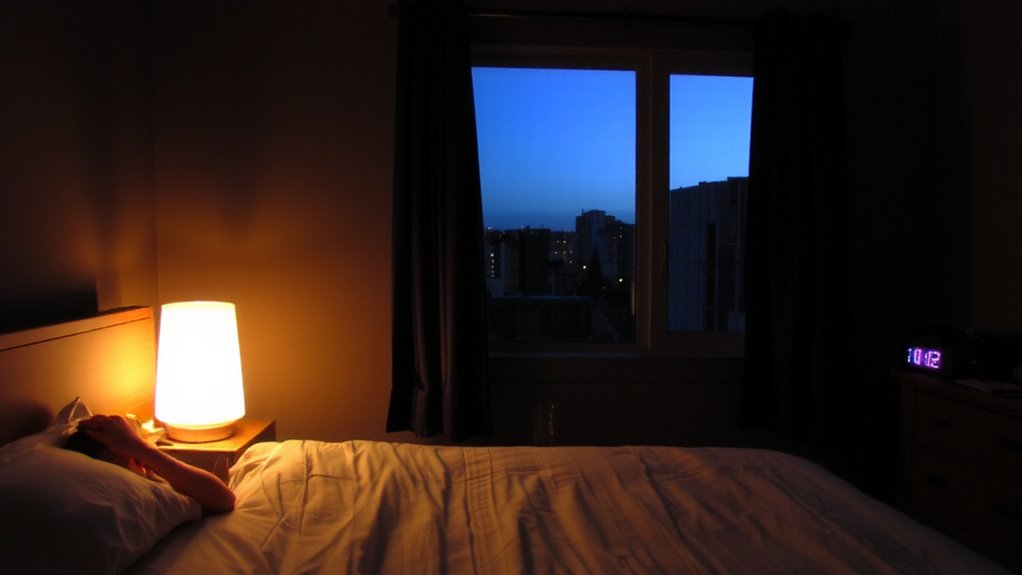
A body clock that runs out of sync with the world’s daylight hours might be the culprit if you’re regularly struggling to fall asleep before midnight or wake up on time for work or school. This pattern could signal Delayed Sleep Phase Disorder (DSPD), where your circadian rhythm shifts later than typical, making both falling asleep and waking up at socially expected times difficult. Your natural sleep timing occurs late at night and into the morning, even when you try to adjust. Unlike poor sleep habits or insomnia, DSPD is a chronic condition tied to your internal clock’s biology. It’s common in teens and young adults but can persist. Sleep aids or strict schedules often don’t help much because the core issue is timing, not sleep quality. Diagnosis usually requires tracking your sleep patterns over days or weeks. Understanding DSPD helps you seek appropriate care, such as light therapy or professional guidance, rather than relying on temporary fixes.
Can Chronotherapy Fix Your Delayed Sleep Schedule?
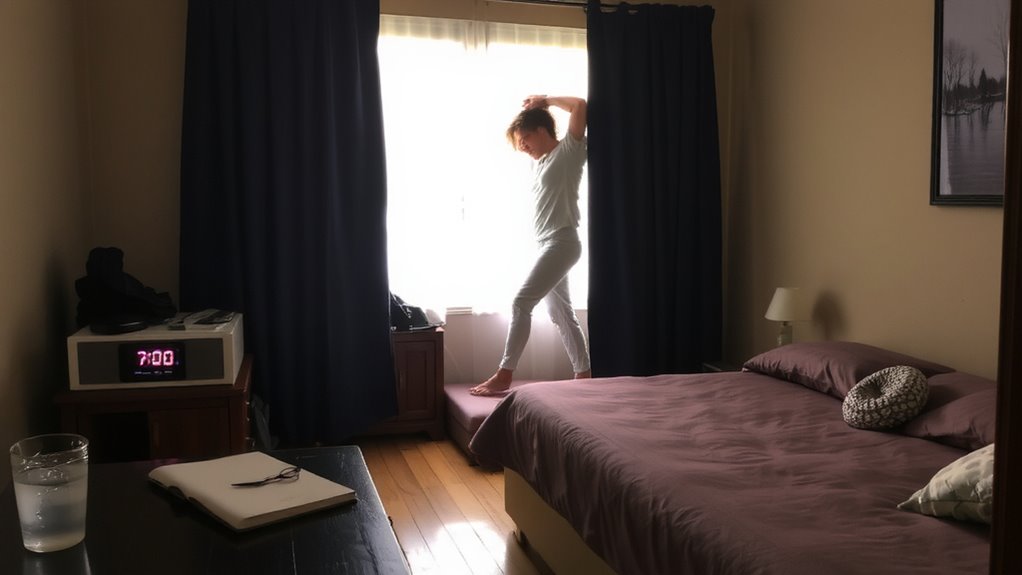
You’ve likely tried sticking to an earlier bedtime or using melatonin to shift your schedule, but if your body keeps pulling you toward late nights and late mornings, standard fixes might not be enough. Chronotherapy could help recalibrate your circadian rhythm by gradually adjusting sleep times. When combined with consistent sleep hygiene-like limiting screens and maintaining a regular wake-up time-it supports long-term improvement. Consider how different approaches compare:
| Method | Shifts Circadian Rhythm? | Supports Sleep Hygiene? |
|---|---|---|
| Fixed Bedtime | Limited | Moderate |
| Melatonin | Yes, short-term | Low |
| Light Therapy | Yes | High |
| Chronotherapy | Yes | High |
| Sleep Restriction | Yes | Moderate |
Chronotherapy doesn’t work overnight, but it offers a structured way to reset your internal clock.
How to Shift Your Bedtime Earlier Gradually
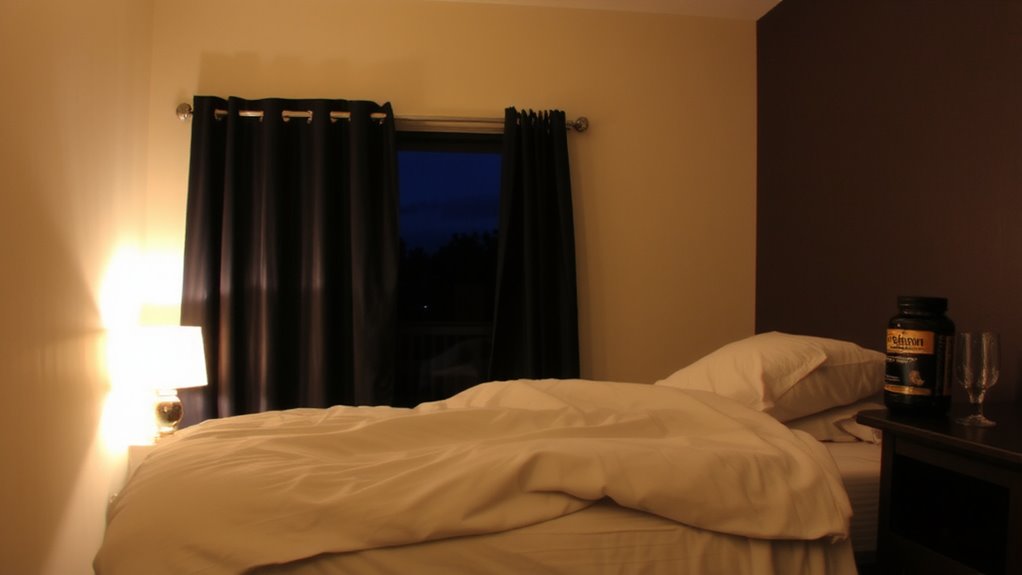
Though shifting your bedtime earlier might seem challenging, breaking the process into small, consistent steps can make it manageable over time. Start by adjusting your bedtime in 15-minute increments every few days, aligning it closer to your target. Pair this with a reliable bedtime routine-like dimming lights and avoiding screens-to signal your body it’s time to wind down. Good sleep hygiene supports this shift: keep your bedroom cool, quiet, and dark, and avoid caffeine or heavy meals in the evening. Stick to consistent wake times, even on weekends, to reinforce your body’s clock. These gradual changes, combined with disciplined habits, help reset your internal rhythm. Success depends on consistency, not speed. Over weeks, your body adjusts, making earlier sleep feel natural. Track your progress, and be ready to tweak your routine if needed.
Use Light Right to Support Chronotherapy
Because light plays a key role in setting your body’s internal clock, using it the right way can make a real difference in managing delayed sleep phase disorder. Morning exposure to bright light helps shift your rhythm earlier, especially when paired with reduced evening light. For best results, aim for consistent timing-same wake-up time daily-even on weekends. Use light sources with high light intensity (10,000 lux) for 20–30 minutes soon after waking. Timing consistency strengthens your body’s response. Avoid bright screens at night, as they delay melatonin release. A wake-up light can be an effective tool to simulate natural sunrise and support this morning light exposure.
| Light Type | Best Time | Light Intensity |
|---|---|---|
| Bright daylight | Morning | 10,000 lux |
| Bright light box | Morning | 10,000 lux |
| Dim indoor light | Evening | <500 lux |
This routine supports gradual, sustainable shifts in your sleep schedule.
What to Do When Chronotherapy Isn’t Working
Sticking to a consistent light routine each morning and minimizing evening exposure can shift your sleep pattern over time, but sometimes progress stalls even with careful effort. If that happens, take a close look at your sleep hygiene-small things like screen use, caffeine timing, or an irregular bedtime might be holding you back. Adjusting your environment and habits can make a real difference. You might also consider discussing medication options with your provider, as certain supplements or prescription aids can support circadian shifts when used short-term. These aren’t cures, but they may help reset your rhythm when combined with consistent routines. Progress takes time, and setbacks don’t mean failure. Keep track of your efforts and responses, and give changes a fair trial before deciding what’s next. Every step you take builds better long-term outcomes. Using a best bedroom fans can also improve sleep quality by maintaining a comfortable temperature and consistent white noise.
When to See a Doctor for DSPD
How do you know when it’s time to seek help for Delayed Sleep Phase Disorder? If your sleep schedule consistently interferes with daily responsibilities-like work, school, or relationships-it’s time to entertain a professional diagnosis. You might notice you can’t fall asleep until very late, even when trying, and struggle to wake up in time for obligations. When self-help strategies don’t improve your sleep pattern, exploring treatment options with a specialist becomes important. A doctor can assess your symptoms, rule out other conditions, and confirm DSPD through sleep history or tracking tools like actigraphy. With a professional diagnosis, you gain access to evidence-based treatment options, including light therapy, melatonin schedules, or structured chronotherapy. Early guidance can prevent long-term disruption to your health and routine, helping you make informed choices about managing your sleep.
On a final note
You can manage delayed sleep phase disorder with chronotherapy by gradually shifting your bedtime earlier, using morning light to reset your rhythm. It works for many, but consistency matters. If progress stalls, reassess with a sleep specialist. Treatment may take weeks, and results vary. Some need light therapy, melatonin, or behavioral support. Trials of adjustments are normal, and long-term commitment improves outcomes. Always consult a professional before starting aids or making major changes.