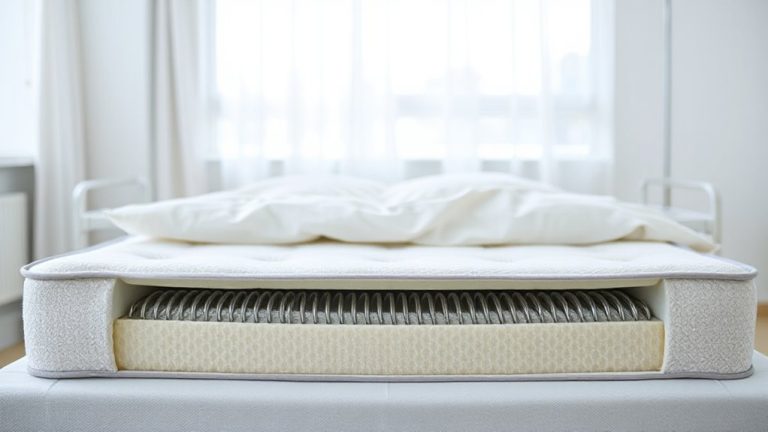
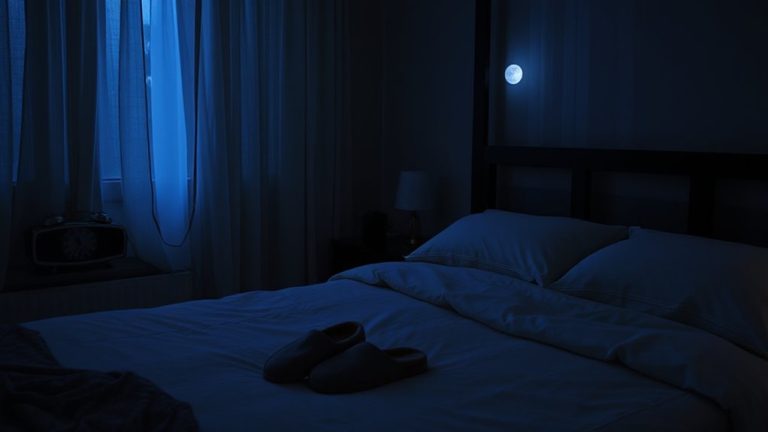
Why Standard Bedtimes Don’t Work for People With Delayed Sleep Phase Disorder
Your body’s internal clock is set to fall asleep hours later than typical bedtimes, no matter how tired you feel. Trying to sleep early doesn’t work because your brain stays alert until your natural rhythm kicks in. Forcing it can worsen sleep quality and increase nighttime frustration. Treatments like morning light exposure or timed melatonin may help shift your schedule. Small, consistent changes often work better than drastic resets-there are proven strategies that align better with how your body actually functions.
Notable Insights
- People with DSPD have a circadian rhythm biologically delayed by hours, making sleep before 2 a.m. nearly impossible.
- Attempting standard bedtimes leads to prolonged wakefulness in bed, increasing frustration and sleep-related anxiety.
- Even when tired, individuals remain alert at night because their internal clock isn’t aligned with conventional schedules.
- Forced early sleep disrupts natural sleep onset, reducing sleep quality despite physical exhaustion.
- DSPD is a physiological circadian disorder, not caused by poor sleep habits, so discipline alone cannot fix the delay.
What Is Delayed Sleep Phase Disorder (DSPD)?
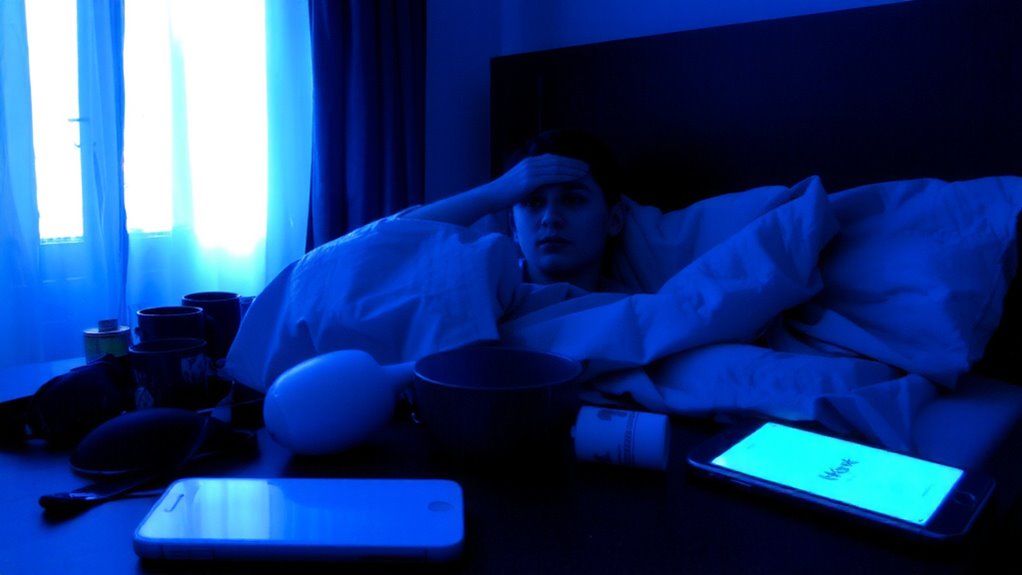
A sleep rhythm that runs hours behind the clock defines Delayed Sleep Phase Disorder, or DSPD. You likely struggle to fall asleep before 2 a.m., even when tired, and need late mornings to feel rested. This shift isn’t laziness-it’s a misaligned circadian rhythm, your body’s internal clock. Unlike chronic insomnia, where sleep is disrupted or unsatisfying, DSPD involves normal sleep quality, just at unusual times. Your body naturally prefers a later schedule, making early bedtimes feel impossible. Diagnosis often requires tracking sleep patterns for weeks, sometimes with a sleep diary or actigraphy monitor. Treatments like light therapy upon waking or prescribed melatonin may help shift your rhythm gradually. Success varies, so trying options under a sleep specialist’s guidance improves outcomes. Some find relief, while others adapt their lives to match their natural cycle, balancing health and daily demands.
Why Trying to Sleep Early Backfires With DSPD
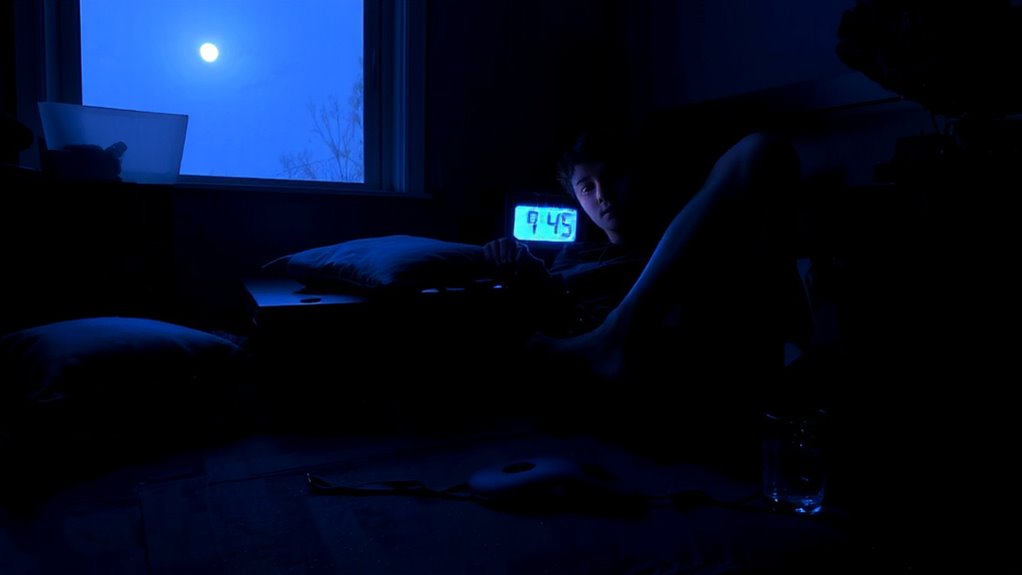
You can’t just force your body to sleep earlier if you have Delayed Sleep Phase Disorder-trying to do so often makes things worse. Forced sleep attempts rarely work because your internal clock isn’t ready for rest, leaving you staring at the ceiling for hours. This mismatch causes sleep frustration, increasing anxiety and making it even harder to fall asleep. Your brain stays alert, not from lack of tiredness, but because it’s biologically programmed to stay awake. Pushing bedtime earlier without adjusting your rhythm only disrupts sleep quality and reduces total rest. Over time, this pattern worsens sleep deprivation and impacts daily functioning. Instead of forcing rest, recognizing your natural tendencies helps you make informed choices about timing, light exposure, and potential supports. Sleep aids or strategies may help, but only when aligned with your body’s actual readiness for sleep.
How to Gently Shift Your Body Clock
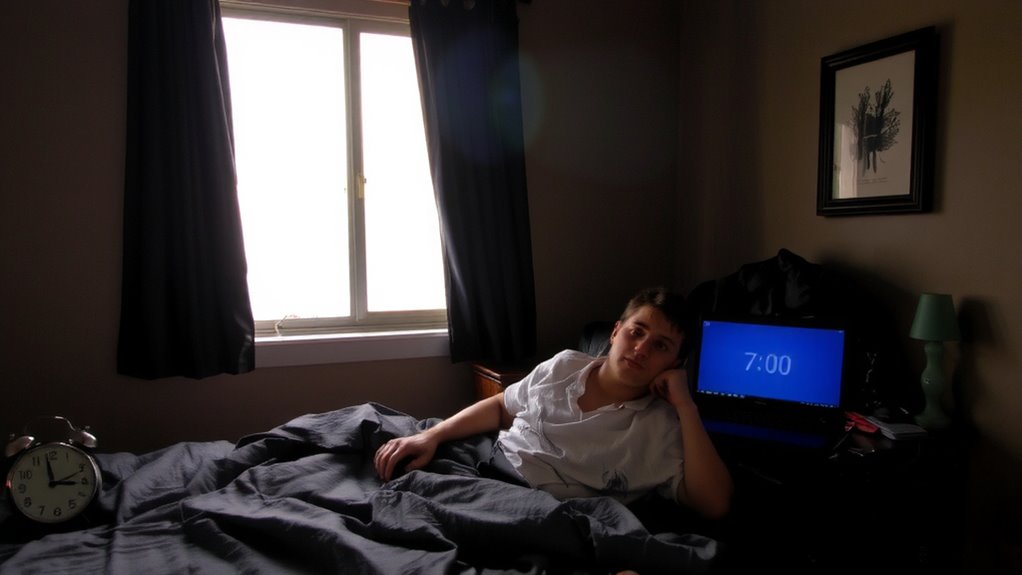
Though shifting your body clock won’t happen overnight, starting with small, consistent changes can make a real difference over time. Using light therapy shortly after you wake helps signal your brain that the day has begun, gradually moving your internal clock earlier. A portable light box with 10,000 lux is often effective when used for 20–30 minutes daily. Combine this with steady morning routines-like eating breakfast at the same time and getting natural sunlight-to reinforce the shift. Avoid bright screens in the evening, as they can delay melatonin release. Shift your bedtime and wake time in 15- to 30-minute increments every few days, not all at once. Consistency matters more than speed. These steps don’t require medication, but if you consider sleep aids, review risks and dosing with a doctor. Patience and repetition support lasting results.
How DSPD Affects School and Work
Sticking to a consistent routine helps nudge your body clock in the right direction, but when school or work starts early in the morning, that progress can feel undermined before the day even begins. You’re likely groggy during morning classes or meetings, making focus hard and learning less effective, which leads to academic challenges. Missing early obligations isn’t laziness-it’s your biology resisting unnatural timing. In school, this might mean lower grades or missed participation, while at work, it could limit promotions or strain team dynamics. Over time, these patterns contribute to career limitations, especially in fields that demand early presence or strict schedules. Shift-based or remote jobs may offer better alignment with your natural rhythm. Though structure helps, rigid systems often don’t accommodate delayed sleep, making it essential to assess environments where performance isn’t penalized by timing. Understanding this fit can guide better choices in education and employment.
When to See a Doctor for DSPD
Why wait until sleep troubles interfere with daily life before seeking help? If you regularly struggle to fall asleep or wake up at socially expected times, it might be more than poor habits. Delayed Sleep Phase Disorder (DSDD) can look like chronic insomnia, but it’s a circadian rhythm issue-your internal clock runs late. When school, work, or relationships start suffering, it’s time to consult a doctor. Ignoring it can also affect mental health, increasing anxiety or low mood over time. A sleep specialist can diagnose DSPD through sleep logs or actigraphy, not just guesswork. Treatments like light therapy, melatonin supplements, or timed sleep scheduling are options with proven results. Most plans are adjustable, and many come with follow-up guidance. Early evaluation means better outcomes-don’t wait until exhaustion sets in. You don’t have to manage this alone.
On a final note
You might feel frustrated when standard bedtimes don’t work, and that’s normal with DSPD. Pushing yourself to sleep early often worsens fatigue. Instead, consider gradual shifts in schedule, bright light exposure in the morning, and consistent wake times. Melatonin or other aids may help, but consult a doctor to weigh benefits and risks. A proper diagnosis guarantees you choose effective, lasting strategies over quick fixes. Trial adjustments with patience, knowing real progress takes time.