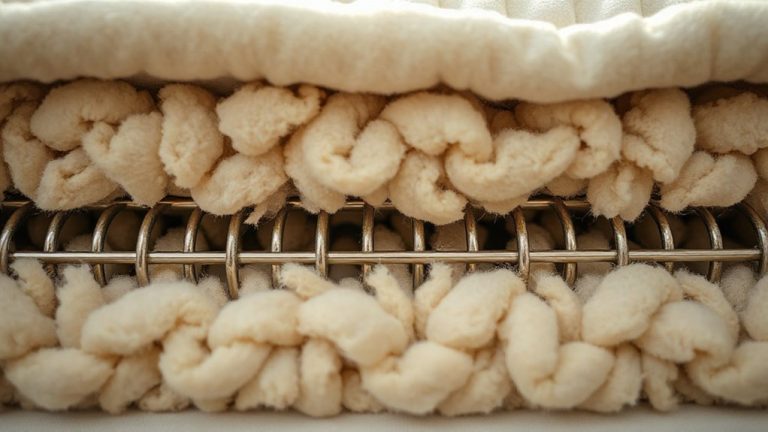
Why Innerspring Mattresses Are Often Paired With Memory Foam Toppers
You get the support of innerspring coils and the cushioning of memory foam when you pair them, balancing firmness with comfort. A memory foam topper softens a too-firm bed, contours to your body, and reduces pressure points, especially if you sleep on your side. It can also help isolate motion and extend your mattress’s life. Look for a 3- to 4-inch gel-infused or open-cell topper with CertiPUR-US® certification for better temperature control and durability-many include trial periods and warranties. More details on ideal materials and thickness follow.
Notable Insights
- Memory foam toppers add soft cushioning to firm innerspring mattresses for improved comfort.
- They enhance pressure relief by conforming to body contours, especially for side sleepers.
- The foam reduces motion transfer, preventing partner movements from disrupting sleep.
- Gel-infused or open-cell foam helps regulate temperature in traditionally hot innerspring beds.
- Toppers extend mattress life by reducing coil strain and delaying sagging.
Why Add Memory Foam to an Innerspring Mattress?
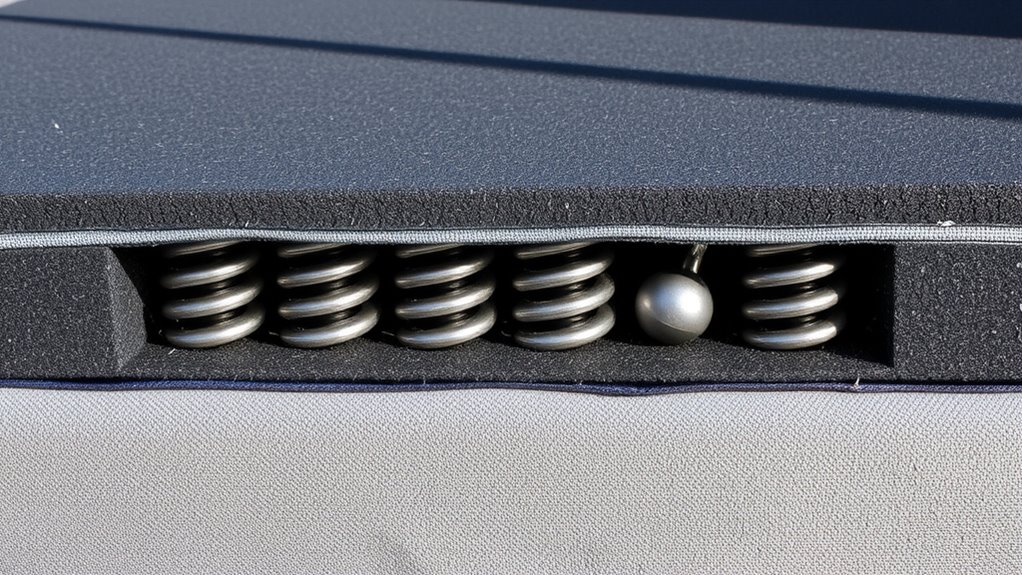
While innerspring mattresses offer solid support through their coil systems, adding a memory foam topper can enhance comfort by cushioning pressure points and reducing motion transfer. You’ll notice better motion isolation, meaning your partner’s movements are less likely to disturb your sleep-ideal if you’re a light sleeper. Many modern memory foam toppers also include gel infusions or open-cell structures to improve temperature regulation, helping you stay cooler through the night. Since innersprings can sleep hot, this upgrade addresses a common drawback without replacing the entire mattress. Most toppers range from 2 to 4 inches thick and come with trial periods, often 30 nights or more, so you can test comfort risk-free. Check warranty length and coverage, especially for indentations. A quality topper adds softness and responsiveness while maintaining your mattress’s support-giving you a practical, cost-effective way to improve sleep comfort. Some patients undergoing chemotherapy find added comfort using specialized best pillows for chemo patients to support delicate neck and shoulder areas during recovery.
How a Memory Foam Topper Fixes a Too-Firm Innerspring
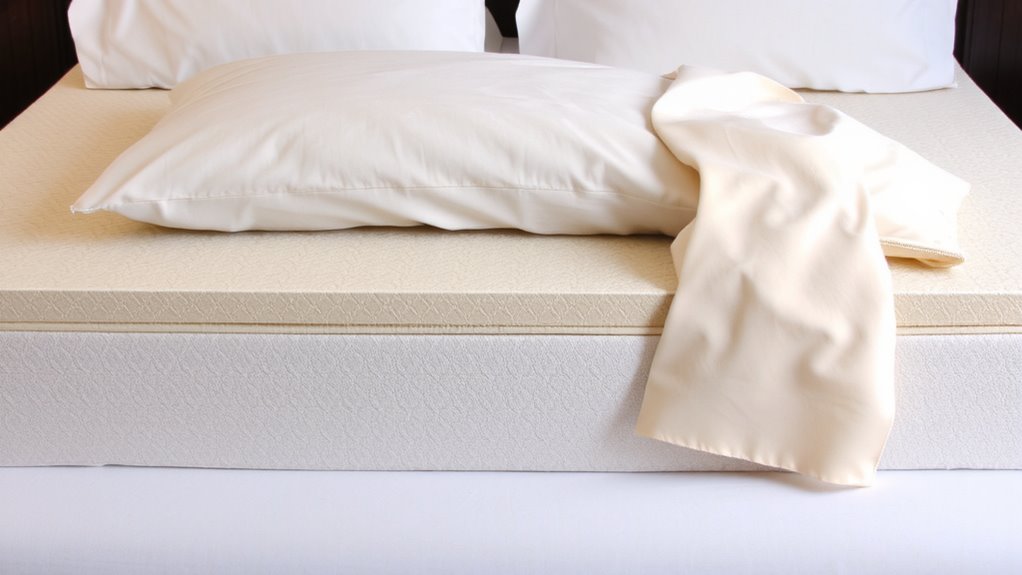
You might find your innerspring mattress too firm for comfort, especially if you sleep on your side or have joint sensitivity. A memory foam topper adds a plush, conforming layer that cushions pressure points and improves overall softness without replacing the mattress. The foam molds to your body, offering relief where the coils alone don’t. While innersprings provide strong edge support, they lack pressure relief-foam fills that gap. However, some memory foam can contribute to heat retention, so look for models with gel infusion or open-cell design if you sleep hot. Thicker toppers, around 3 to 4 inches, offer more cushioning but may slightly reduce the edge support benefit of the original mattress. Most quality toppers come with trial periods and warranties, letting you test comfort risk-free. This simple upgrade balances firmness and comfort, supporting better sleep alignment and reducing discomfort over time. Nectar offers several models with generous sleep trials, making it easier to find your ideal match through their Top Nectar Mattress Picks.
Best Memory Foam Toppers for Innerspring Mattresses
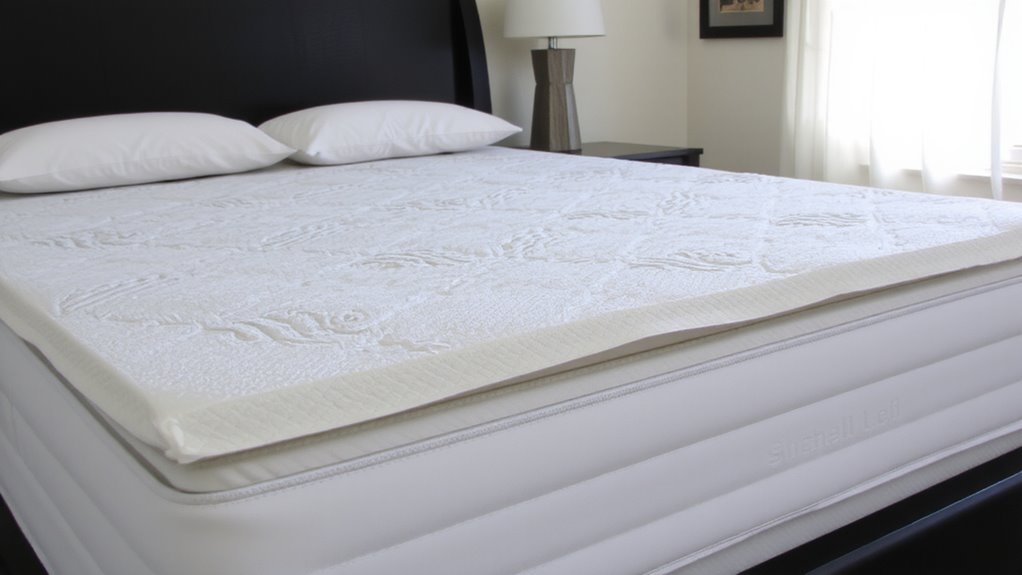
A memory foam topper can make a real difference when your innerspring feels too stiff, especially if you’re dealing with shoulder or hip discomfort. Look for models with gel-infused foam or open-cell structures-they help with temperature regulation so you don’t overheat at night. Memory foam naturally offers good motion isolation, meaning tossing and turning from one side won’t disturb your partner much. For durability and support, choose a topper that’s at least 3 inches thick with a density between 3 and 4 pounds per cubic foot. CertiPUR-US® certified foams guarantee safer materials without harmful off-gassing. Many top brands offer trial periods of 30 nights or more, plus warranties up to 5 years. That gives you time to test comfort and adjust. Check return policies before buying, especially online. A solid pick balances breathability, responsiveness, and long-term shape retention. For top-rated options that match these criteria, check out the best mattress toppers for a better night’s sleep.
Reduce Pain and Pressure on an Innerspring Bed
Comfort matters most when tackling pain and pressure on an innerspring bed, especially if you’re lying on a mattress that’s too firm or worn down. A memory foam topper can help by contouring to your shape, improving body alignment and reducing pressure points. You’ll notice better joint support, especially if you sleep on your side or have achy hips and shoulders. The foam cradles curves while keeping your spine neutral, which matters if you wake stiff or sore. Medium to thick toppers (3–4 inches) usually work best for lasting relief. Look for high-density foam-it holds up longer and responds more consistently to your weight. Some brands offer trial periods, so you can test comfort risk-free. Proper fit and thickness depend on your sleep style and the bed’s current feel. Over time, this combo may ease discomfort without needing a full replacement.
Can a Memory Foam Topper Extend Your Mattress Life?
While your innerspring mattress may be losing its cushioning over time, adding a memory foam topper can slow further wear and help maintain supportive comfort. The added layer provides mattress protection by absorbing body weight and reducing direct strain on coils. This can delay sagging and extend the bed’s usable life, especially if you notice early signs of soft spots. A quality topper also supports better sleep hygiene by creating a cleaner, more consistent sleep surface-many come with removable, washable covers to reduce allergens. Memory foam molds to your body, improving alignment and minimizing pressure that might otherwise disrupt rest. While it won’t fix a collapsed foundation, it’s a practical, cost-effective step before replacement. Most toppers need a few weeks for full adjustment, and many brands offer trial periods or warranties. Consider thickness and density when choosing-one that’s too soft may not offer enough support, while a denser option could enhance durability and comfort.
On a final note
You might find an innerspring too firm or noisy over time, and adding a memory foam topper can soften its feel while easing pressure on hips and shoulders. A quality topper, like a 3-inch gel-infused model with a 1-year trial, improves comfort and may delay replacement. It’s a practical fix that enhances support and sleep quality without replacing the whole mattress.