Why Late-Day Naps Worsen Nocturnal Sleep and Delay Tissue Repair Processes
A late nap can throw off your internal clock, making it harder to fall asleep at night. When you nap after 3 p.m., your body may delay releasing melatonin, disrupt cortisol balance, and reduce sleep drive. This shift limits deep sleep and delays tissue repair, since growth hormone release gets misaligned. Even if you feel rested, recovery isn’t as effective. For better results, keep naps short and early-there’s more to learn about timing and recovery boosts that actually work.
Notable Insights
- Late-day naps disrupt circadian rhythm by delaying melatonin release and shifting the body’s internal clock.
- They alter sleep chemistry, reducing melatonin and increasing cortisol, which hinders nighttime sleep onset.
- Napping after 3 p.m. lowers sleep pressure, decreasing deep sleep quality and restorative brain wave activity.
- Late naps interfere with nighttime growth hormone release, impairing muscle and tissue repair processes.
- Inconsistent nap timing weakens circadian synchronization, reducing the efficiency of nocturnal cellular recovery.
How Late Naps Disrupt Your Sleep Schedule
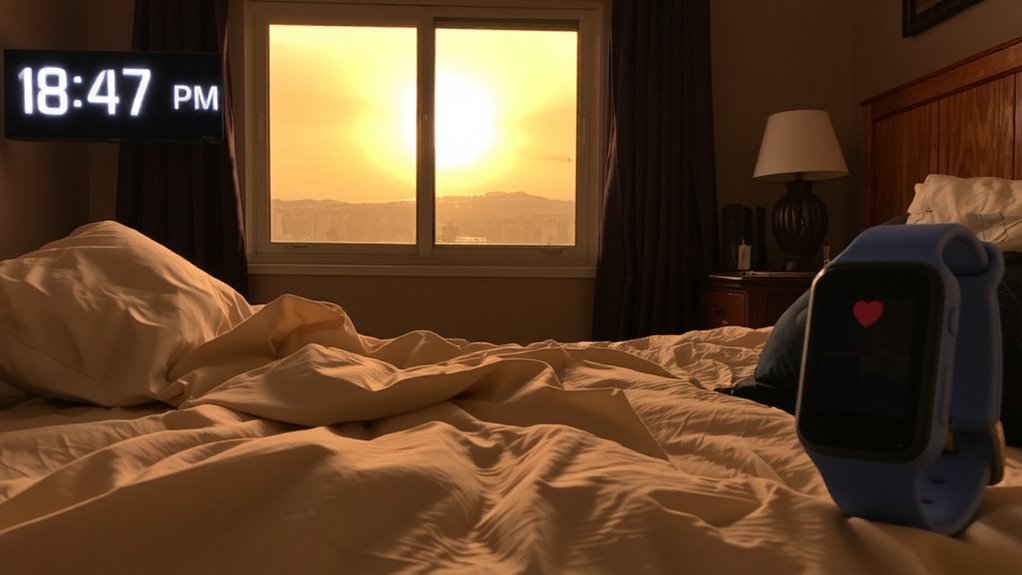
While a short nap can refresh you, taking one too late in the day might make it harder to fall asleep at night. Late naps often trigger circadian misalignment, shifting your internal clock and confusing your body’s natural rhythm. This delay can reduce sleep drive by early evening, making it harder to start winding down. Even a 20-minute nap after 3 p.m. may cause melatonin suppression, especially if you’re exposed to light afterward, blocking the hormone’s release when you actually need it. Though napping aids alertness, timing matters-consistency supports better alignment. If you struggle with falling asleep, consider moving naps earlier or shortening them. Over-the-counter sleep aids might help occasionally, but they don’t fix timing issues. For long-term balance, align naps with your circadian rhythm to preserve nighttime sleep quality and maintain healthy recovery patterns.
Why Late Naps Block Overnight Recovery
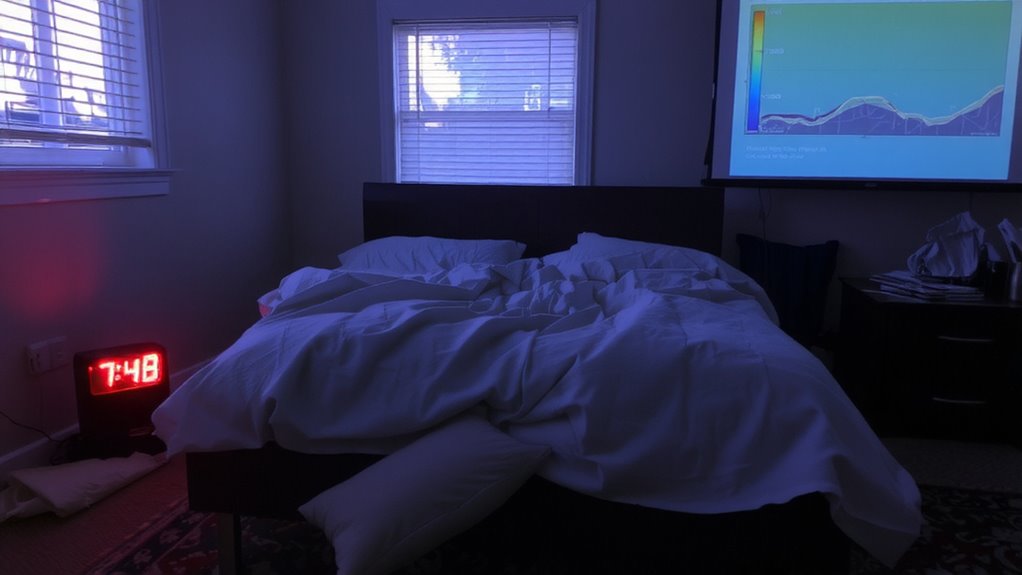
You’ve probably noticed that napping late in the day doesn’t just delay bedtime-it can leave you feeling groggy and unrested the next morning, even if you technically got enough hours of sleep. That’s because late naps interfere with your sleep chemistry, shifting the timing of key hormones like melatonin and cortisol. When this happens, your body struggles to initiate the overnight recovery processes essential for healing. Instead of restoring energy and repairing tissues, your cells remain in a state of cellular fatigue. This means reduced clearance of metabolic waste and slower muscle and brain recovery. Over time, this imbalance may contribute to persistent tiredness or worsen existing sleep disorders. To support natural recovery, consider limiting naps to early afternoon and maintaining a consistent sleep schedule. Simple adjustments can enhance your body’s nightly repair cycle without relying on sleep aids.
How Naps Reduce Deep Sleep Quality
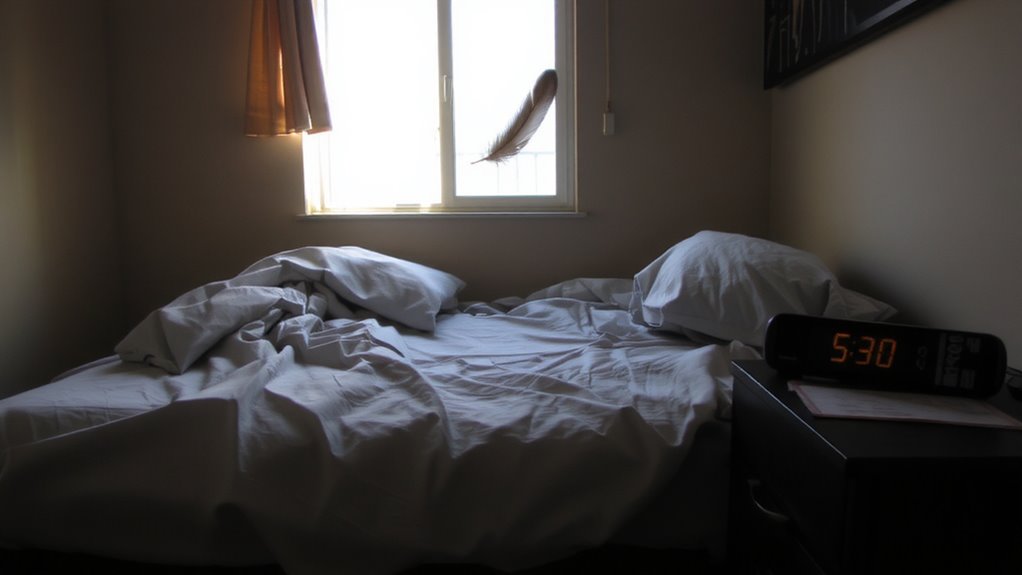
If you nap too close to bedtime, your body may not reach the same depth of sleep during the night, since daytime rest can reduce your sleep pressure-the natural buildup of tiredness that helps you fall and stay asleep. Your brain waves during deep sleep become less synchronized, making it harder to enter restorative stages. Late naps can also increase sleep inertia, leaving you groggy and disrupting your nighttime rhythm. When deep sleep weakens, recovery slows, and you might wake less refreshed. To maintain strong sleep quality, aim for naps earlier in the day and keep them under 30 minutes. This helps preserve nighttime sleep pressure while minimizing interference with brain wave patterns needed for deep rest. If you struggle with nighttime sleep, consider adjusting nap timing before turning to sleep aids. A well-timed rest supports better performance without compromising sleep depth.
Sleep Timing and Nighttime Tissue Repair
Sleep follows a natural rhythm that aligns tissue repair with nighttime hours, when your body shifts into recovery mode. If you nap too late, it can cause circadian misalignment, confusing your internal clock and delaying the release of repair-related hormones. This disruption leads to repair inhibition, meaning your muscles, organs, and cells aren’t restored as efficiently. Nighttime is when growth hormone peaks, aiding tissue regeneration-this process slows if your sleep schedule is inconsistent. Maintaining a regular bedtime supports ideal repair cycles, while late naps may weaken that timing. You don’t need sleep aids if you adjust nap timing, but if fatigue persists, consider a sleep study to assess underlying issues. Consistent sleep hygiene improves recovery without added products. Look for models with a proven track record when choosing aids, and check warranty terms before buying.
Best Nap Times (And How Long to Nap)
Though timing plays a key role in how well a nap supports your sleep cycle, the best window for most people is between 1:00 p.m. and 3:00 p.m., shortly after lunch when energy naturally dips. Napping later can interfere with nighttime sleep and disrupt recovery timing, when your body repairs tissues. Aim for 10 to 20 minutes to avoid sleep inertia; longer naps may enter deep sleep, making waking harder. You might believe nap myths like “longer naps always refresh,” but evidence shows brief, well-timed rests boost alertness without affecting nighttime sleep. If you struggle with insomnia or irregular sleep, short early-afternoon naps are safer. Always consider your sleep schedule and any sleep disorders when deciding. For those using sleep aids, consult a provider-timing naps right supports, rather than hinders, your overall rest and recovery goals.
Energy Boosts That Support Recovery
You can get a real energy boost without relying solely on naps or caffeine-small, consistent habits make a difference in how alert and recovered you feel. Prioritize hydration, balanced meals with complex carbs and protein, and short movement breaks to support natural energy restoration. These habits enhance recovery enhancement by stabilizing blood sugar and circulation. Exposure to natural light during the day helps regulate your sleep-wake cycle, improving nighttime sleep quality. If needed, consider sleep aids with proven efficacy and clear trial periods, such as FDA-cleared devices or melatonin with a consistent dosage. Look for products with transparent construction and performance data, plus warranties for long-term use. Always consult a healthcare provider if sleep issues persist, as underlying disorders like sleep apnea may interfere with recovery. Simple changes, backed by evidence, support better sleep and sustained daily energy without disrupting your body’s natural repair rhythms. For reliable options, explore the best over-the-counter energy boosters based on independent reviews and clinical research, such as top energy boosters.
On a final note
You might feel tempted to nap late, but doing so can disrupt your nighttime sleep and slow tissue repair. Late naps reduce deep sleep by shrinking sleep pressure, delaying recovery cycles. For better rest, aim for early daytime naps under 30 minutes. This supports alertness without hurting nighttime quality. If fatigue persists, consider sleep aids or consult a specialist. Small timing shifts improve sleep structure, recovery, and overall energy balance over time.