How Sleep Cycle Timing Affects Athletic Recovery and Performance
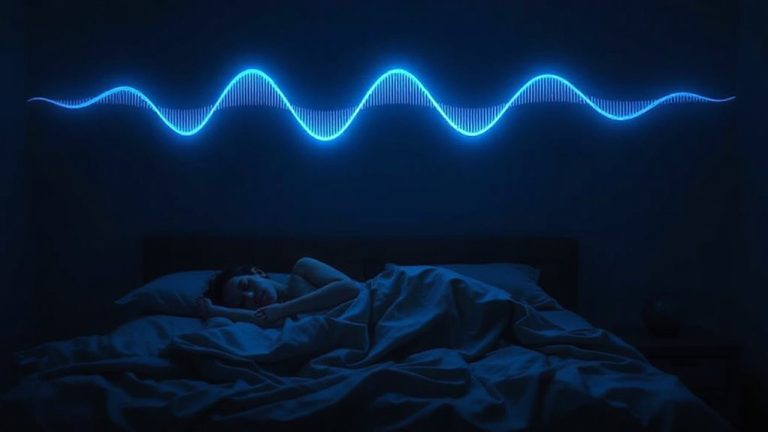
Your sleep timing directly shapes muscle recovery and performance. When you sleep consistently, your body syncs with its natural rhythm, boosting deep sleep when growth hormone repairs tissue. Irregular or late bedtimes disrupt this, especially if you’re a night owl forced into early schedules. Evening workouts can delay sleep by raising body temperature and suppressing melatonin. For better recovery, aim for bed between 9:30 and 10:30 p.m., allowing your system to align with its peak repair window-small shifts here improve next-day strength and focus more than you might expect.
Notable Insights
- Deep sleep triggers growth hormone release, essential for muscle repair and recovery, primarily in the first half of the night.
- Consistent sleep timing aligns with circadian rhythm, enhancing recovery and optimizing performance.
- Late afternoon peak in body temperature improves muscle strength and reaction time, aligning with natural performance highs.
- Evening workouts can delay sleep onset by raising core temperature and suppressing melatonin, impairing recovery.
- Chronotype alignment ensures better sleep quality and faster recovery by respecting individual biological timing.
How Sleep Timing Affects Muscle Recovery
While you’re focused on training hard, don’t overlook when you’re sleeping-your muscle recovery depends heavily on consistent, well-timed rest. Aligning your sleep timing with natural sleep stages boosts the depth and repair quality of your rest. During deep sleep, your body enters the prime recovery window, releasing growth hormone and repairing muscle tissue. If you cut sleep short or shift your schedule often, you risk missing this window and reducing recovery efficiency. Going to bed and waking at similar times daily helps stabilize these cycles. If you struggle with falling asleep, consider evaluating sleep aids carefully-look for ones with clear ingredients, trial periods, and no grogginess the next day. Sleep disorders like insomnia or apnea can disrupt sleep stages, so consult a professional if problems persist. Consistency supports performance; small, informed adjustments make a measurable difference over time.
Why Circadian Rhythm Controls Athletic Performance
Your body runs on a natural clock that shapes how well you train, recover, and perform-this is your circadian rhythm, and it’s already influencing your athletic results whether you realize it or not. It helps control when your core body temperature rises and falls, peaking in the late afternoon, which often aligns with peak muscle strength and reaction time. When you ignore this rhythm-say, by training late at night or sleeping irregular hours-you risk circadian misalignment, which can dull focus, slow recovery, and increase injury risk. Shift workers or athletes with irregular sleep schedules are especially vulnerable. Sticking to consistent sleep and wake times helps maintain alignment. If travel or schedule demands disrupt your rhythm, consider gradual adjustments or timed light exposure. Avoid sleep aids unless advised by a doctor, as some can affect sleep depth and timing.
When Deep Sleep Boosts Growth Hormone Release
Since deep sleep plays a key role in physical recovery, it’s during this stage that your body releases the highest levels of growth hormone, helping repair muscles and build strength. This hormone peaks in the first half of the night, especially during slow-wave sleep, one of the deepest sleep stages. Your body uses this time to rebuild tissues and support recovery after intense training. Disrupting deep sleep-whether from poor sleep habits or sleep disorders-can reduce growth hormone output and slow healing. To improve these sleep stages, aim for consistent bedtimes and limit screen exposure before bed. Sleep aids may help short-term but check with a doctor, especially if fatigue persists. Some wearables track sleep stages, offering insights into your recovery patterns. While not medical devices, they can highlight trends worth discussing with a physician. Prioritizing deep sleep supports better hormone regulation and long-term athletic performance.
How Your Chronotype Affects Recovery Speed
If you’ve ever felt sluggish after a full night’s sleep or noticed your workouts hit differently in the morning versus the evening, your chronotype-the natural rhythm your body follows-might be the reason. Your chronotype genetics influence whether you’re a morning lark or night owl, and this affects when your body ideally recovers. Because of recovery variability, athletes with different chronotypes heal at different rates depending on sleep timing. Aligning your sleep schedule with your natural rhythm supports better muscle repair and immune function. If you’re a night owl, forcing early bedtimes may reduce sleep quality, limiting recovery. Sleep aids might help short-term but don’t fix misalignment with your internal clock. Consider evaluating your chronotype through sleep journals or genetic testing. Matching training, rest, and sleep timing to your biology can improve recovery speed over time, giving you a practical edge in performance and well-being.
Why Late Workouts Hurt Sleep Quality
Though you might feel energized after an evening workout, exercising too close to bedtime can disrupt your ability to fall asleep and reduce overall sleep quality. The main culprits? Post exercise arousal and core temperature rise. Your body needs time to wind down, but intense activity late in the evening keeps your nervous system active and delays sleep onset.
| Factor | Effect on Sleep | Time to Normalize |
|---|---|---|
| Post exercise arousal | Heightens alertness, delays sleep | 1–2 hours |
| Core temperature rise | Interferes with natural cooling | 60–90 minutes |
| Melatonin release | Suppressed by activity | Varies by individual |
Allowing a 2- to 3-hour buffer between your workout and bedtime helps mitigate these effects. This way, your body can cool down and your mind can relax, supporting deeper, more restorative sleep without relying on sleep aids.
Best Bedtime for Next-Day Performance
When aiming for peak performance the next day, choosing the right bedtime matters just as much as workout timing or nutrition. For most athletes, hitting bed between 9:30 and 10:30 p.m. supports natural melatonin release and aligns with circadian rhythms. This window allows you to hit deep and REM sleep during peak biological times, boosting next-day focus and physical output. Aim for a favorable wind down-dim lights, limit screens, and ease into rest 30–60 minutes before bed. Sleep consistency is key: going to bed and waking within the same 30-minute window daily stabilizes recovery cycles. Even on off-days, staying on schedule helps regulate hormone balance and mental clarity. Missing that window or drifting bedtime can reduce sleep efficiency, even if total hours seem adequate. Your body thrives on predictability-use it to your advantage.
7 Science-Backed Sleep Tweaks for Faster Recovery
How can you make your sleep work harder for recovery? Optimize your sleep environment by keeping the room cool, dark, and quiet-blackout curtains and white noise machines can help. Aim to reduce disruptions that fragment deep sleep, where tissue repair peaks. Align recovery nutrition with your post-workout routine; consuming protein and carbs within 45 minutes boosts muscle glycogen and repair. Try timing your meals so digestion doesn’t interfere with sleep onset. Consistent bed and wake times strengthen circadian rhythm, improving sleep quality over time. If considering sleep aids, choose ones with research support, like melatonin in low doses, and consult a provider to rule out disorders like sleep apnea. Look for products with clear labeling, third-party testing, and refund policies. Small, science-backed tweaks compound into faster recovery and better resilience. For maximum light blockage, consider installing best-quality blackout curtains designed to eliminate external light and enhance sleep depth.
On a final note
You’ll recover better and perform stronger when sleep aligns with your natural rhythm. Prioritize consistent bedtimes, aim for 7–9 hours, and time tough workouts earlier to avoid sleep disruption. Deep sleep drives growth hormone release, so quality matters as much as quantity. Track how you feel after adjusting bedtime by 30-minute increments. Most find gains within a few nights. Try fixes like dimming lights or cooler rooms-many are free, reversible, and backed by research.