Using Passionflower to Support Withdrawal From Prescription Sleep Aids
You’re using passionflower to ease withdrawal because it supports your nervous system naturally, without the dependency risks of sleep meds. It helps balance GABA, easing anxiety and improving sleep over time. Available in teas, tinctures, and capsules, it offers a gentle alternative with minimal side effects when used properly. Always check for interactions with other meds. Most forms work best 30–60 minutes before bed. A 30-day trial lets you test its fit in your routine-your next steps are clearer with consistent use.
Notable Insights
- Passionflower offers a gentle, low-risk option to support the nervous system during withdrawal from prescription sleep aids.
- It promotes natural relaxation by supporting GABA balance without causing dependency or harsh side effects.
- Unlike synthetic sedatives, it calms the mind without forcing sleep or leading to rebound insomnia.
- Available in tea, tincture, and capsule forms, it allows flexible, personalized use before bedtime.
- Consult a healthcare provider before use, especially when tapering off medications or using other CNS depressants.
Why Withdrawal Sufferers Choose Passionflower
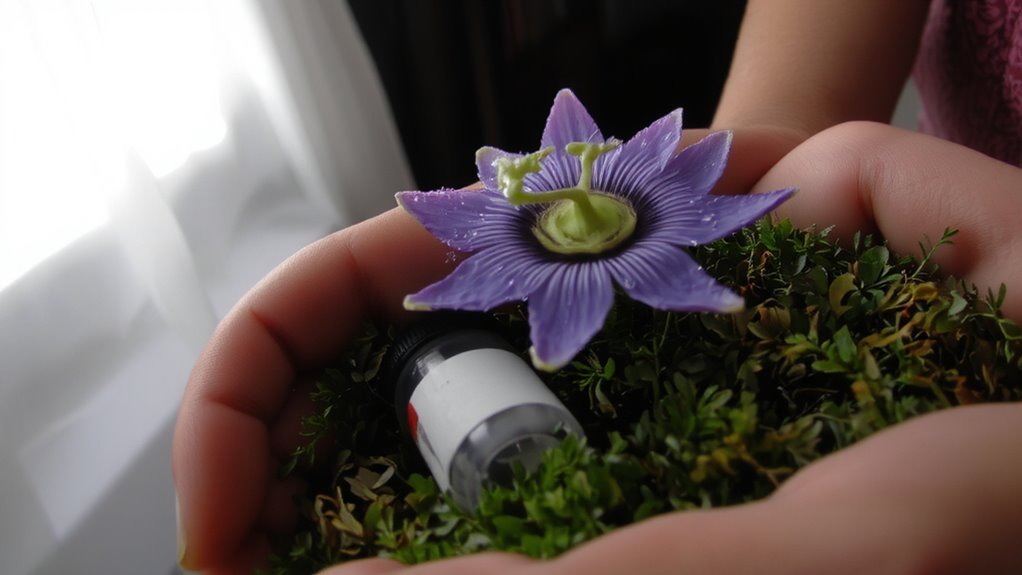
Why do so many people turning away from sleep medications reach for passionflower? You’re likely searching for a gentler path during withdrawal, one that supports your body without harsh side effects. Passionflower offers emotional resilience when anxiety or mood swings surface, helping you stay balanced naturally. Unlike synthetic drugs, it supports holistic healing by working with your body’s chemistry, not against it. You’ll find it in tinctures, teas, or capsules-each form tested for consistent potency, so you can choose based on your routine. Most brands offer a 30-day trial, letting you assess results without long-term commitment. It’s not a quick fix, but over weeks, many report steadier sleep and fewer rebound symptoms. Always check with your healthcare provider before starting, especially when combining with other treatments. This isn’t about replacing one dependency with another-it’s about creating sustainable change.
How Passionflower Calms Your Nerves Without Meds
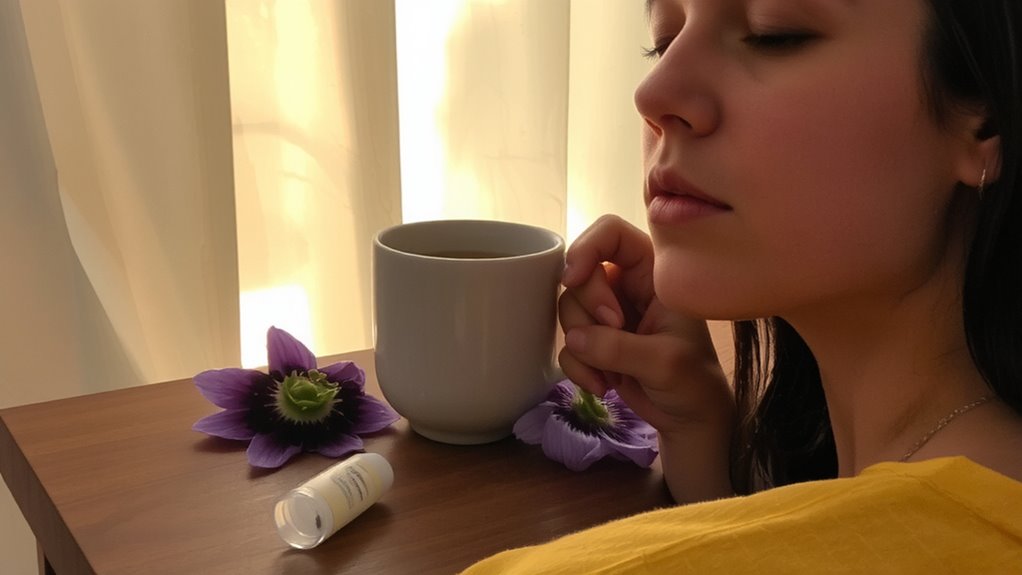
While your body adjusts during withdrawal, passionflower helps ease nervous tension by supporting your brain’s natural balance of GABA, a chemical that calms overactive nerve signals. It works gently with your brain chemistry, promoting relaxation without drowsiness or dependency. Over time, this support may encourage nerve regeneration, helping your nervous system recover resilience. Combining passionflower with other natural sleep aids like valerian root may enhance its calming effects for those transitioning from prescription sleep medications.
| Feeling Before | Feeling After |
|---|---|
| Jittery | Calmer |
| Overwhelmed | Collected |
| Restless | Grounded |
| Foggy | Clearer-minded |
You might notice improved sleep quality and reduced anxiety within weeks. Unlike harsh meds, passionflower doesn’t force sedation-simply helps your body regain balance. It’s a natural option for those seeking gentler support through withdrawal, without dramatic side effects. Always talk to your provider before making changes.
Can You Replace Sleep Meds With Passionflower?
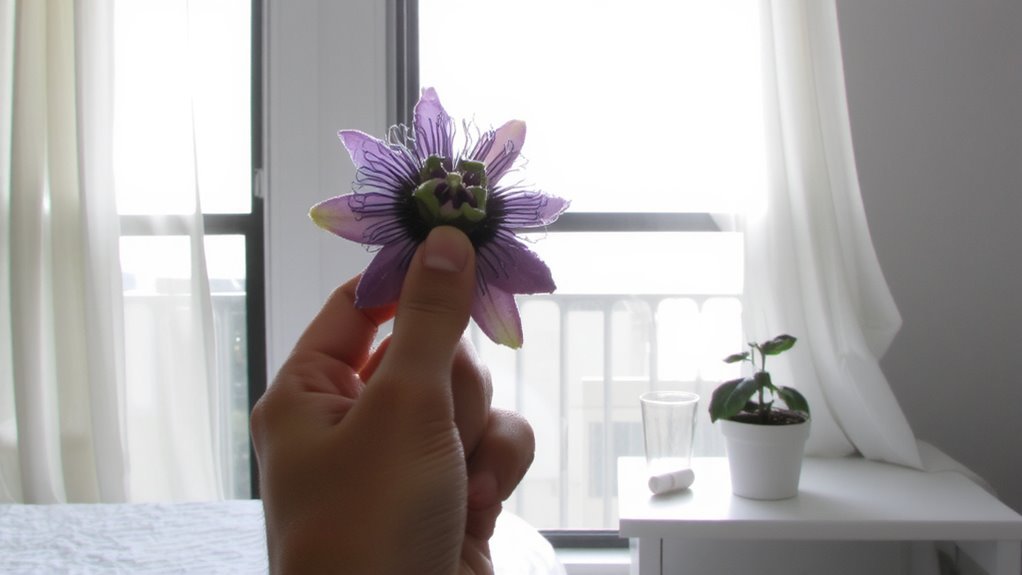
You’ve likely noticed how passionflower helps ease nervous tension and supports your body’s natural calm, especially when adjusting through withdrawal. While it won’t work the same way as prescription sleep meds, it can be part of your shift toward natural remedies. Many people explore herbal alternatives like passionflower to reduce reliance on stronger medications. It doesn’t knock you out-it gently supports relaxation and may improve sleep quality over time. Results vary, so it’s best used as one tool among others, not a guaranteed replacement. Think of it as support, not a fix. If you’re weighing options, consider passionflower a mild, low-risk choice compared to pharmaceuticals. Always talk to your healthcare provider before making changes. Used wisely, natural remedies and herbal alternatives like passionflower can fit into a broader plan for managing sleep challenges.
How to Take Passionflower for Sleep Med Withdrawal
How should you start using passionflower when stepping away from sleep medication? Begin with low dosage timing and track how your body responds over several nights. Gradually replacing your prescription with natural preparation methods can smooth the shift. Consistency matters, so take passionflower at the same time each evening.
| Form | Dosage Timing | Preparation Methods |
|---|---|---|
| Dried herb tea | 30–60 mins before bed | Steep 1 tsp in hot water for 10 mins |
| Tincture | 30 mins before bed | Mix 30–40 drops in water |
| Capsule | 45 mins before bed | Swallow with water |
| Liquid extract | 20–30 mins before bed | Add to tea or juice |
| Standardized extract | 60 mins before bed | Follow label instructions |
Choose the form that fits your routine and sensitivity.
Passionflower Side Effects & Drug Interactions
Passionflower is generally safe for most people when used short-term, but it can cause side effects in some. You might experience dizziness, drowsiness, or confusion, especially at higher doses. Rarely, allergic reactions like rash, itching, or breathing troubles can occur-stop use immediately if these appear. Passionflower may also have mild hormonal effects, possibly influencing estrogen-sensitive conditions, so if you have a history of such issues, it’s wise to check with your doctor. It can interact with medications, particularly sedatives, antidepressants, and anti-anxiety drugs, potentially increasing drowsiness or altering effectiveness. Don’t combine it with alcohol or CNS depressants. While passionflower offers support during sleep aid withdrawal, balancing benefits and risks matters. Monitoring your response helps determine if it’s a suitable option for your sleep routine.
On a final note
You might find passionflower helps ease sleep aid withdrawal by gently calming your nerves. It’s plant-based, non-habit-forming, and may support better sleep over time. Still, results vary-some notice improvement, others don’t. Talk to your doctor before switching, especially if you take other meds. Start low, monitor effects, and give it a few weeks. It’s not a guaranteed fix, but for some, it’s a helpful tool.