How to Manage Sleep in Children With Chronic Fatigue
You can help your child sleep better by maintaining a consistent bedtime within 30 minutes of the same time each night, even on weekends. Create a calm routine with dim lights and quiet activities like reading, and remove screens at least an hour before bed to protect melatonin. Use blackout curtains and a timed white noise machine to improve the sleep environment. Balance daytime tasks with rest breaks to avoid overexertion. Keep a symptom log to spot patterns. More details on managing nighttime awakenings and knowing when to seek support follow.
Notable Insights
- Maintain a consistent bedtime within 30 minutes daily, even on weekends, to regulate the child’s internal clock.
- Create a calming, screen-free pre-sleep routine with dim lights and quiet activities like reading.
- Optimize the bedroom with blackout curtains and a white noise machine to support uninterrupted sleep.
- Limit blue light exposure by stopping screen use at least one hour before bedtime.
- Balance daytime activity with scheduled rest breaks to prevent overexertion and nighttime sleep disruptions.
Why Chronic Fatigue Disrupts Kids’ Sleep
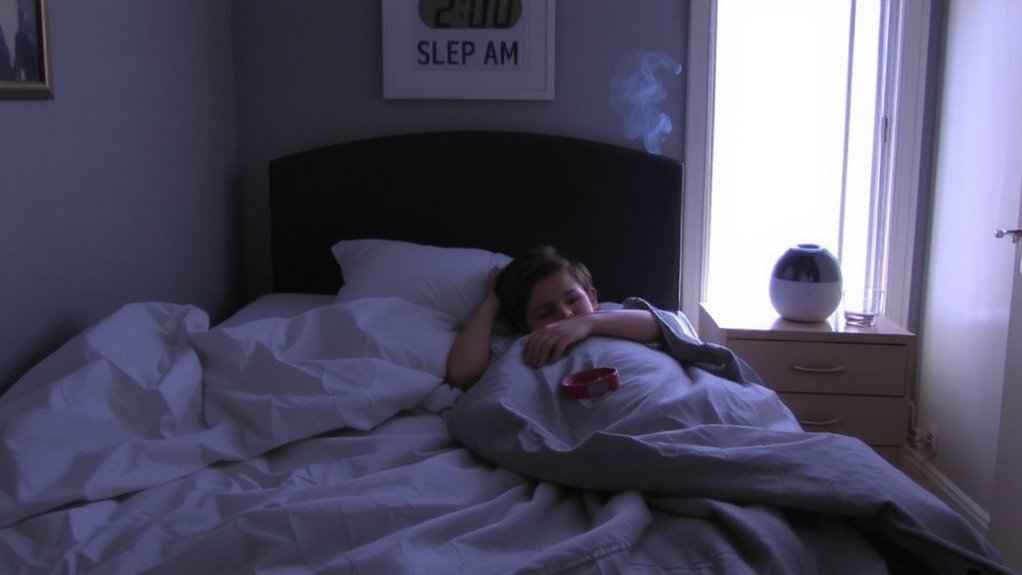
Why does your child’s chronic fatigue seem to flip nighttime upside down? It’s likely due to underlying issues like hormonal imbalance and immune activation, both of which interfere with natural sleep cycles. When immune activation occurs, the body stays in a heightened state, making it hard for your child to relax and stay asleep. Hormonal imbalance, especially in cortisol and melatonin, disrupts the signals that tell the brain when to wake and rest. These biological shifts don’t just cause tiredness-they rearrange when rest happens. Sleep isn’t just about hours logged; it’s about quality and timing. You’ll want to assess how these factors affect bedtime routines and overnight recovery. Consider tracking symptoms to identify patterns. While sleep aids might help, their use should follow professional guidance. Understanding the root causes helps you make informed choices about treatments, therapies, or adjustments that align with your child’s specific needs.
Keep a Steady Bedtime for Better Rest
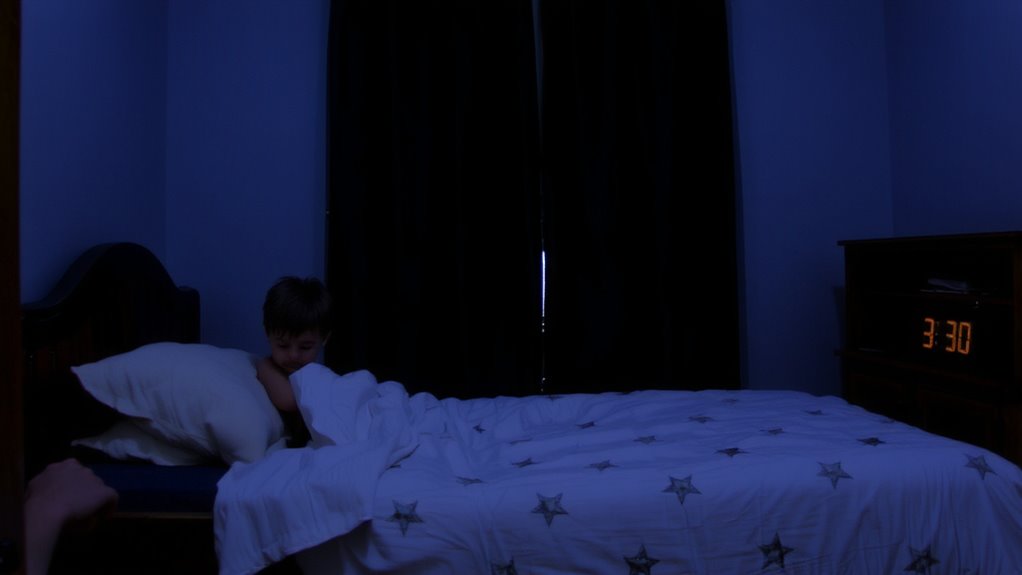
While your child’s energy levels may fluctuate from day to day, sticking to a consistent bedtime can make a real difference in their sleep quality and overall recovery. Sleep consistency helps regulate their internal clock, making it easier to fall asleep and wake up naturally. Even on weekends, try to keep bedtimes within 30 minutes of their usual time. This stability supports deeper, more restorative sleep. Pair this with predictable bedtime routines-like dimming lights, reading, or gentle stretching-to signal the body it’s time to wind down. These routines don’t need to be long, but they should be calming and screen-free. Over time, consistent habits improve sleep onset and reduce nighttime awakenings. You’re not fixing everything overnight, but you’re building a foundation. Track changes for a few weeks: note mood, fatigue levels, and how easily your child falls asleep. Adjust as needed, and consider discussing patterns with a healthcare provider if sleep problems persist.
Make the Bedroom Sleep-Safe
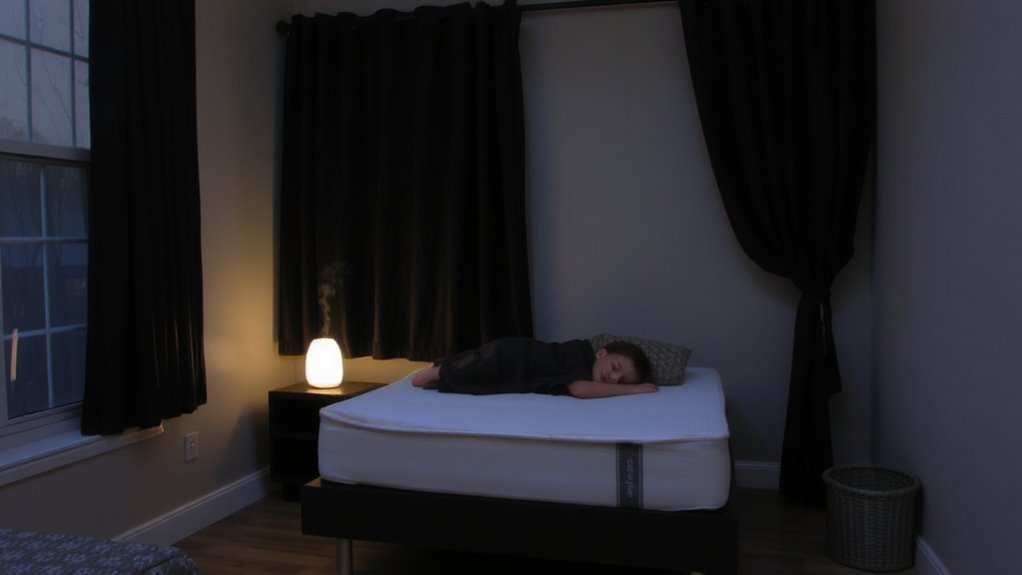
Keeping a regular bedtime sets the rhythm, but the Bioptr where your child sleeps plays a key role in how well that routine works. Start by blocking outside light with blackout curtains, which help signal the brain that it’s time to wind down by mimicking natural darkness. Choose curtains with a tight weave and wide coverage to prevent light gaps. A white noise machine can also support deeper sleep by masking sudden sounds-opt for one with consistent, low-frequency tones and a timer feature to avoid overnight use. Place it a few feet from the bed and test volume levels during quiet moments to guarantee comfort. These tools don’t require a prescription and often come with warranties, letting you try them risk-free. Together, blackout curtains and a white noise machine create a more predictable environment, improving sleep quality over time. For budget-friendly options that still deliver effective light blocking, consider the best inexpensive blackout curtains.
Cut Screen Time Before Bed
Since screens emit blue light that can interfere with melatonin production, it’s best to turn them off at least an hour before bedtime. Reducing exposure helps regulate sleep patterns, especially for children with chronic fatigue. Overuse of devices may also lead to device addiction, making disengagement harder over time. A consistent pre-sleep routine without screens supports better sleep onset and quality. Consider replacing screen time with calming activities like reading or light stretching.
| Activity | Blue Light Exposure | Recommended Duration |
|---|---|---|
| Watching TV | High | 0 minutes before bed |
| Using Tablets | High | 0 minutes before bed |
| Reading a Book | None | 30–45 minutes |
Creating a screen-free wind-down period improves sleep readiness. Replace high-stimulation content with low-light, low-effort alternatives. This shift supports natural melatonin release and reduces dependency on digital devices.
Balance Daytime Activity and Rest
You’ve already taken steps to improve sleep by reducing screen time in the evening, and that sets a strong foundation for better rest. Now, balancing daytime activity and rest becomes key. Activity pacing helps prevent energy crashes by breaking tasks into small, manageable chunks with regular breaks. It’s not about stopping movement but finding a rhythm that supports sustained energy. Pair this with rest scheduling-planning short, consistent rest periods even when your child seems okay. This proactive approach reduces the risk of overexertion, which can disrupt nighttime sleep. Think of rest as necessary maintenance, not a reward for tiredness. Monitor how your child responds to different activity levels and adjust pacing accordingly. Trial periods of structured routines help identify what works. Over weeks, patterns emerge, guiding smarter decisions. Rest scheduling isn’t restrictive; it’s a tool to build resilience and support long-term improvement in daily function and sleep quality.
What to Do When Your Child Wakes Up at Night?
What if your child sits upright in bed at 2 a.m., wide awake and unable to settle? Stay calm and avoid turning on bright lights or engaging in stimulating talk. If it’s night terrors, your child may not recognize you and will likely not remember the episode-just gently guide them back under the covers. With anxiety attacks, speak softly and use a familiar bedtime phrase to ground them. Keep a consistent bedtime routine so their nervous system expects rest, not alertness. Don’t introduce screens or sugary drinks during these episodes. If wakefulness happens often, consider a sleep diary to track patterns. Some parents try white noise machines or weighted blankets, which can provide gentle pressure and sensory comfort. Choose washable, breathable materials and check for safety labels. These tools aren’t cures but may help reduce nighttime arousal over time. A compact small fan for white noise can effectively mask disruptive sounds while maintaining a soothing, consistent background.
When to Talk to a Doctor About Sleep
How do you know when sleep troubles in your child cross the line from typical to something worth a doctor’s visit? If your child snores loudly, gasps for air, or has pauses in breathing at night, those could be signs of sleep apnea, which needs medical evaluation. Also, if poor sleep lasts weeks and affects daily function-like school performance or mood-talking to a doctor makes sense. Chronic fatigue linked to disrupted sleep may tie into underlying issues, including mental health concerns like anxiety or depression. A pediatrician can help identify causes, recommend sleep studies if needed, and guide you on safe interventions. They might suggest behavioral strategies, evaluate for sleep disorders, or refer to a specialist. Don’t wait if you notice persistent changes in sleep patterns or daytime energy. Early input improves outcomes, and professionals can help balance treatment options without rushing to medication or unproven sleep aids.
On a final note
You can help your child sleep better by sticking to a consistent bedtime, limiting screens before bed, and creating a calm, dark, and cool bedroom environment. Balance daytime activity with rest, and gently guide them back to sleep if they wake up. If sleep problems continue, talk to a doctor to rule out underlying issues. Trial changes for at least two weeks, track progress, and consider professional advice before trying sleep aids.