How to Layer a Mattress Pad on an Innerspring for Extra Protection
Start with a clean, flat innerspring mattress and vacuum it gently to avoid damaging the coils. Choose a mattress pad with a snug elastic skirt that matches your mattress depth, then stretch it smoothly over the surface, aligning corners securely. Pick one with waterproof backing and breathable fabric to guard against spills, allergens, and wear. Opt for models with trial periods or washable covers for easier upkeep. You’ll find even more helpful details ahead.
Notable Insights
- Start with a clean, dry innerspring mattress to ensure proper adhesion and protection.
- Choose a waterproof-backed mattress pad with a full elastic skirt for secure, gap-free coverage.
- Align the pad precisely with the mattress edges and stretch corners firmly over each corner.
- Use deep-pocket designs that match the mattress thickness to prevent slipping or bunching.
- Maintain protection by washing the pad regularly and using anti-slip grips if needed.
Prep Your Innerspring Mattress First
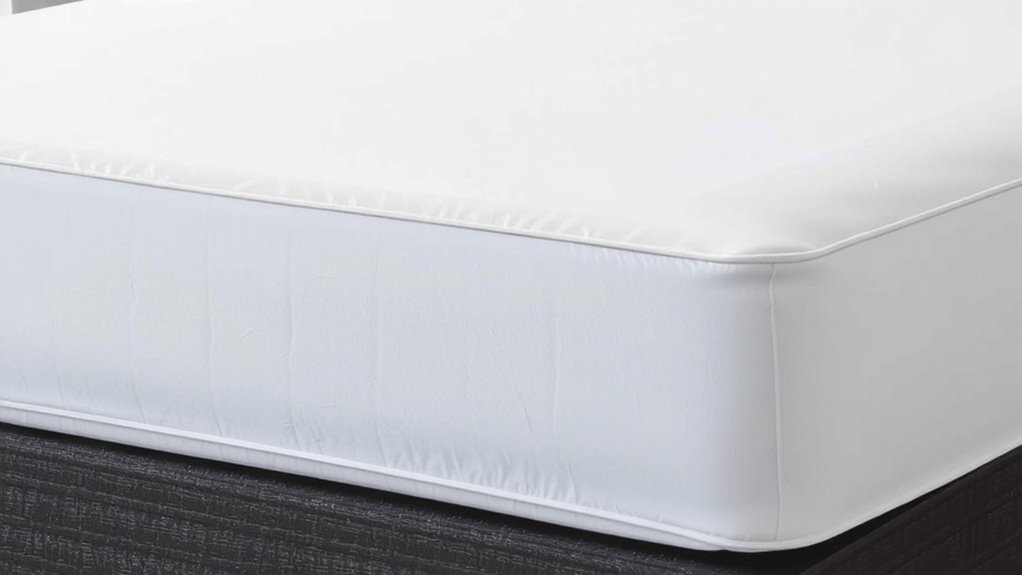
Start with a clean slate-your innerspring mattress needs to be free of dust, allergens, and old impressions before adding any pad. Pull off sheets and vacuum the surface gently to preserve spring integrity. Check for sagging or lumps that disrupt mattress alignment, as these can affect spinal support during sleep. If you notice persistent indentations, consider whether your innerspring still meets your comfort or health needs, especially if you have back pain or sleep disturbances. Proper alignment supports better breathing and movement at night, which may help those with mild sleep disorders. Don’t skip flipping or rotating the mattress if it’s double-sided-this extends wear and balances pressure. Ensuring strong spring integrity now improves how any pad performs over time. A stable base means layers stay effective longer, giving you consistent comfort and protection night after night.
Put On and Secure the Mattress Pad
Now that your innerspring mattress is clean, aligned, and ready to support layers properly, it’s time to add the mattress pad. Start by aligning the pad’s top and bottom edges with your mattress, making sure the side with the waterproof backing faces up. This layer helps protect against spills and moisture without trapping heat if it’s breathable. Gently stretch the elastic corners over each mattress corner, ensuring a snug, secure fit that won’t shift during the night. If your pad shifts despite the elastic corners, check that the size matches your mattress. A well-fitted pad stays in place, preserving comfort and protection over time. Most models come with a trial period or warranty, so test it for a few nights to assess feel and performance. Properly secured, your pad adds a protective barrier that supports hygiene and extends your mattress’s lifespan. For added peace of mind, consider one of the best bed protectors based on performance and user reviews.
Choose the Best Mattress Pad for Innerspring Support
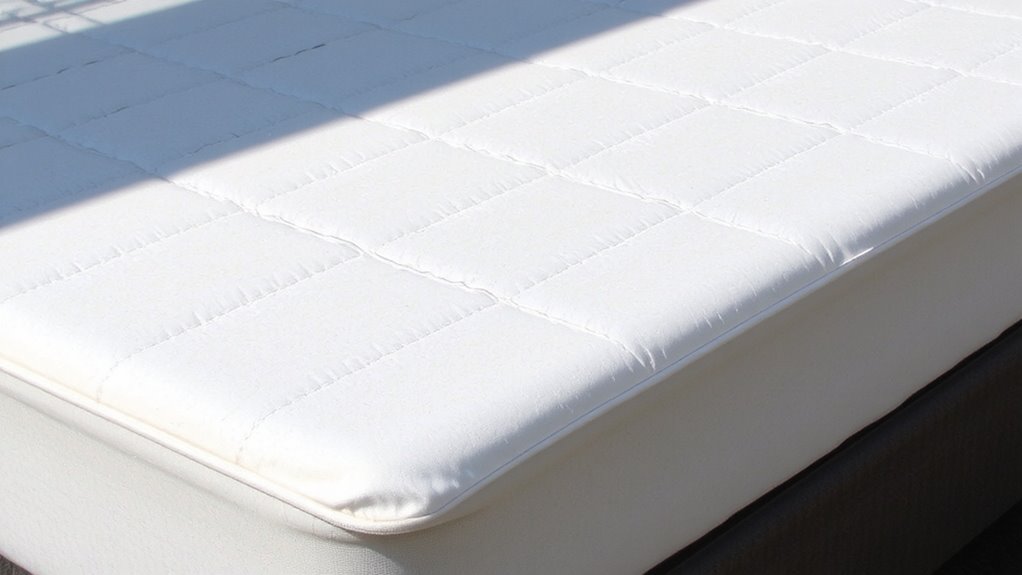
While innerspring mattresses offer firm support, pairing them with the right mattress pad can enhance comfort and prolong the bed’s life. You’ll want a pad with strong material durability, like tightly woven cotton or brushed microfiber, so it resists pilling and holds up over time. Memory foam or polyurethane layers add cushioning without sinking too deeply, maintaining the responsive feel you expect from coils. Fit accuracy matters-choose a pad with a full elastic skirt or corner straps that match your mattress depth, ensuring it stays flat and secure. A poorly fitted pad shifts easily, reducing effectiveness. Look for models with trial periods or warranties, so you can test pressure relief for joint sensitivity or restless sleep. These features help you assess comfort without risk. Balance breathability, support, and fit to match your sleep posture and weight, making a choice that complements, not compromises, your innerspring mattress.
Keep Your Mattress Pad Clean and in Place
A well-secured mattress pad stays flat and functional, so you’ll want to check for strong elastic corners or fitted straps that grip your innerspring mattress snugly. Secure placement prevents constant readjusting and supports consistent comfort, especially if you shift during sleep. Look for deep pockets and stretchy fabrics that accommodate your mattress’s height without sagging. To maintain mattress pad hygiene, wash it regularly-every few weeks or per manufacturer instructions-using mild detergent and cool water to preserve fibers. Most pads are machine washable, but always check care labels to avoid shrinkage or damage. A clean, well-placed pad reduces allergens and skin irritants, supporting healthier sleep. Avoid overloading the washer, and air dry when possible to extend its life. Choosing a pad with a durable, breathable cover improves both hygiene and fit. Reliable construction and thoughtful design contribute to long-term performance and peace of mind. For added stability, consider pairing your pad with a low-profile king bed frame that minimizes shifting and enhances overall sleep surface alignment.
Fix Slipping, Bunching, or Odors Fast
If your mattress pad shifts during the night despite secure elastic or straps, slipping and bunching can disrupt comfort and alignment, especially on older innerspring models with softer edges. You can fix this fast with anti slip grips-thin, breathable pads placed between the mattress and topper that add friction without damaging surfaces. These grips work best when placed at all four corners or along the sides where movement starts. If odors develop over time from body oils or moisture, use odor neutralizers specifically made for bedding; they break down smell-causing particles instead of masking them. Look for ones with enzymatic or carbon-based formulas for long-lasting freshness. Some pads also come with washable covers treated with antimicrobial agents. Always check care labels and test any product on a small area first. Combined use of anti slip grips and odor neutralizers helps maintain hygiene, comfort, and alignment throughout the night.
On a final note
You’ve protected your innerspring with a secure, well-chosen pad that adds comfort and extends mattress life. Look for breathable fabrics and snug corners to prevent slipping. If odors or bunching occur, adjust positioning or wash per care labels. Testing options with trial periods helps you confirm performance. A quality pad supports spinal alignment, may reduce disturbances, and guards against wear, giving you better long-term sleep value.