Actigraphy for Advanced Sleep Phase Disorder: 7-14 Day Test
You can use actigraphy to confirm advanced sleep phase disorder by wearing a small device that tracks your movement over 7–14 days. It records when you fall asleep and wake up, often showing sleep between 6 p.m. and 9 p.m. and early awakenings around 2 a.m. to 5 a.m. Unlike sleep logs, it gives objective, continuous data on your circadian rhythm. Doctors pair this with your sleep history for a clearer picture. Combining both improves diagnostic accuracy, especially when symptoms match the pattern over time. There’s more to learn about how this helps rule out other causes and guides treatment options.
Notable Insights
- Actigraphy objectively tracks sleep-wake patterns using a wearable device that measures movement over several days or weeks.
- It detects early sleep onset and清晨 awakenings typical of ASPD by identifying prolonged inactivity periods between 6–9 p.m. and 2–5 a.m.
- Continuous monitoring helps confirm a consistent circadian rhythm shift, distinguishing ASPD from irregular sleep habits or poor sleep hygiene.
- Actigraphy provides objective data to support clinical diagnosis when combined with patient sleep logs and medical history.
- Wearing the device for 7–14 days in a natural environment enhances accuracy in detecting persistent advanced sleep-phase patterns.
What Is Advanced Sleep Phase Disorder (ASPD)?
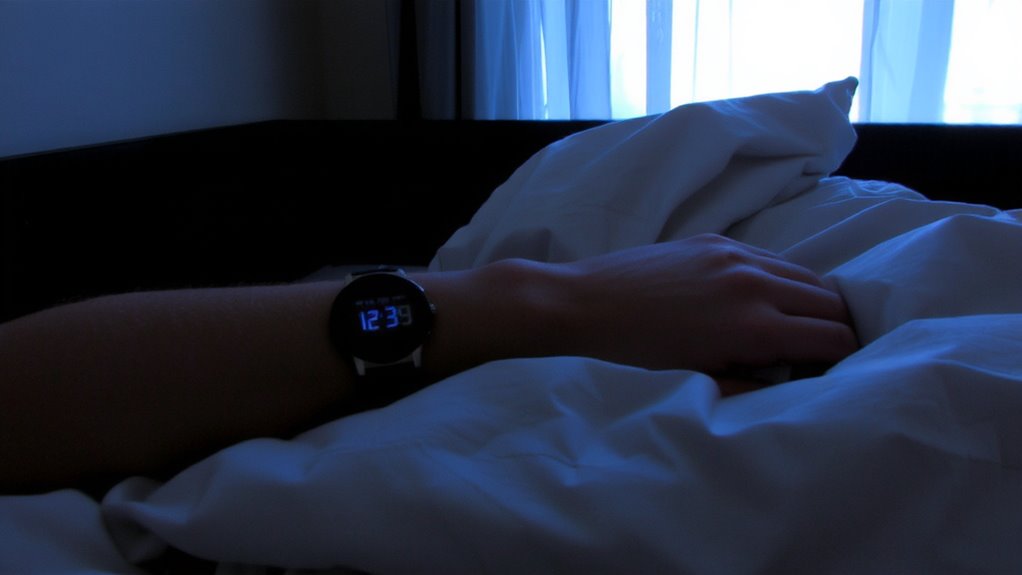
Visualize waking up at 3 a.m. no matter how early you go to bed-that’s a common reality for people with Advanced Sleep Phase Disorder (ASPD). Your circadian rhythm shifts earlier than normal, causing sleep onset to happen in the early evening, often between 6 and 9 p.m. While that might sound helpful, it leads to unwanted wakefulness in the middle of the night. ASPD isn’t just preference-it’s a biological shift in your internal clock. You’ll feel strong sleepiness earlier, making social or work evenings difficult. This condition is more common in older adults, though it can appear earlier. Since symptoms overlap with other disorders, accurate diagnosis matters. Recognizing early sleep onset and consistent early waking helps determine whether lifestyle changes, light therapy, or further testing might help. Understanding your circadian rhythm’s role guides better decisions about timing, treatment, and when to seek evaluation.
Why Actigraphy Is More Reliable Than Sleep Logs

Most sleep logs rely on your memory and consistency, but they can miss key patterns-actigraphy doesn’t. You might forget to log a nap or misjudge when you truly fell asleep, which hurts data accuracy. With actigraphy, a small wearable device tracks your movement automatically, giving you measurement consistency across days and nights. Unlike self-reported logs, it captures subtle shifts in your rest periods, even those you’re not aware of. This continuous monitoring means fewer gaps and less chance for human error. You get a fuller, clearer picture of your sleep-wake cycle over time, which matters when diagnosing conditions like ASPD. Since it records objectively, doctors can better assess timing and duration without relying on guesswork. Actigraphy doesn’t replace clinical evaluation, but it strengthens diagnosis by offering reliable data you and your provider can trust when making treatment decisions.
How Actigraphy Measures Sleep-Wake Patterns
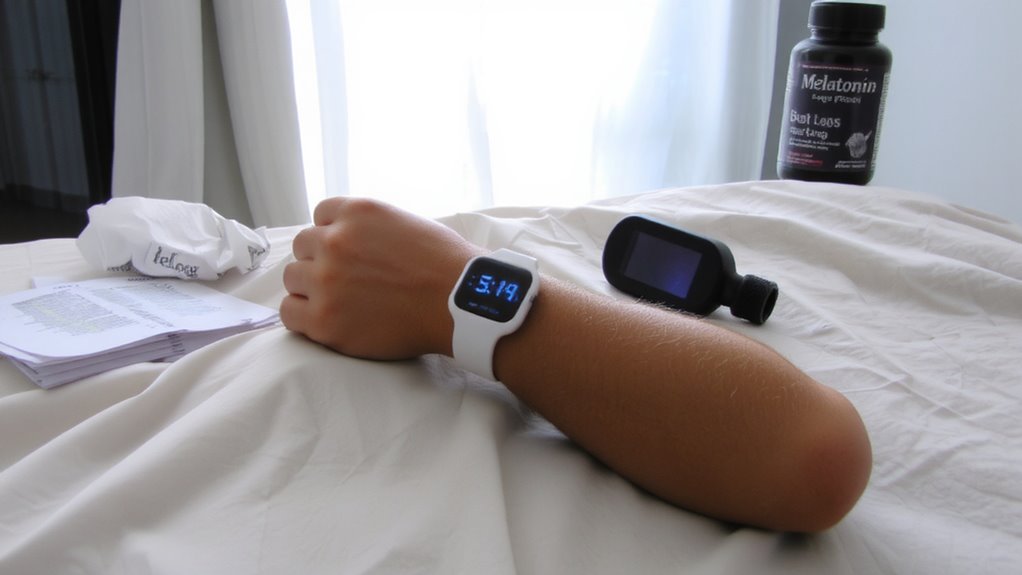
You’ve seen how actigraphy improves accuracy over sleep logs by cutting out guesswork, and now you can look at how it actually captures your sleep-wake patterns. Worn like a watch, the device tracks movement over several days or weeks, using motion sensors to detect when you’re active or still. When your body remains still, the device assumes you’ve started sleeping, marking that time as sleep onset. Brief or prolonged movements during rest hours help estimate wake duration throughout the night. Unlike brief snapshots from sleep studies, actigraphy provides continuous data in your natural environment, giving a clearer picture of your real-world rhythm. It doesn’t measure brain waves, but consistent inactivity strongly suggests sleep. This long-term tracking helps distinguish true patterns from one-off nights. Results show when you naturally fall and stay asleep-key details when evaluating sleep disorders.
How Doctors Interpret Actigraphy for ASPD
When your doctor suspects advanced sleep phase disorder (ASPD), they’ll use actigraphy data to spot consistent patterns in your sleep-wake cycle over time. You’ll wear the device for at least 7–14 days, usually longer, so they can analyze real-world habits. Doctors look for sleep that begins and ends earlier than typical, often between 6–9 p.m. and 2–5 a.m., which signals circadian misalignment. They’ll assess sleep architecture trends like sleep onset, awakenings, and total duration across nights. Consistency in early timing, not just isolated early nights, confirms ASPD. The data helps rule out other causes like poor sleep hygiene or shift work. Actigraphy won’t capture brain waves, so it gives indirect clues about sleep stages, but long-term tracking improves accuracy. Your doctor uses this objective record to understand your body’s internal clock and decide if treatment to reset timing is needed.
Pairing Actigraphy With Patient History for Accuracy
Actigraphy gives doctors a clear picture of your sleep patterns over time, but it becomes even more reliable when combined with your personal sleep history. You know when you feel sleepy and when you wake up naturally, and that info helps confirm if your circadian rhythm is shifted earlier than normal. By comparing your reported sleep onset times with the actigraphy data, doctors can spot consistent patterns linked to advanced sleep phase disorder. Maybe you’ve always fallen asleep by 7:30 PM and risen by 4 AM-details like these add context machines alone can’t capture. Together, the device readings and your lived experience strengthen the diagnosis. This pairing reduces guesswork, making treatment planning more precise. You’ll benefit from tailored advice, whether it’s light therapy, schedule adjustments, or further evaluation. Accuracy improves when both tools are used-giving you clearer next steps.
When Actigraphy Falls Short (And How to Improve Results)
Though actigraphy is a valuable tool, it doesn’t always capture the full picture of your sleep patterns, especially if worn inconsistently or used in environments with unusual light exposure. Data limitations can arise when movement doesn’t clearly reflect sleep, such as during restful wakefulness or prolonged stillness while awake. Environmental factors like irregular light-dark cycles or shift work may skew results, making it harder to confirm advanced sleep phase disorder. To improve accuracy, wear the device nightly for at least seven days and keep a sleep log to cross-reference symptoms. Pairing actigraphy with clinical history helps identify true patterns. Guarantee the device fits snugly and is charged daily to avoid gaps. While not perfect, combining objective tracking with consistent routines increases reliability. This approach gives clinicians stronger evidence to guide diagnosis and decisions about treatment options.
On a final note
You can rely on actigraphy to confirm ASPD when paired with your sleep history, as it tracks your real-world sleep patterns more accurately than logs alone. While it’s not perfect, wearing the device for one to two weeks gives doctors solid data. Consider this test if you wake and sleep much earlier than desired. Always discuss results with your doctor to explore treatment options, like light therapy or timed melatonin, based on clear evidence.