Creating a Sleep Sanctuary: Minimalist Bedding
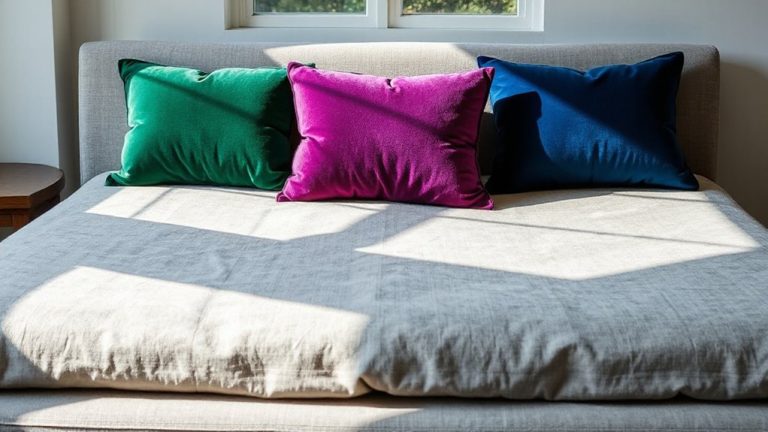
Choose organic cotton or linen for your bedding-they’re breathable, biodegradable, and regulate temperature well. Stick to soft gray, warm beige, or muted white to create calm. Keep only the essentials: a fitted sheet, flat sheet, duvet, and one or two pillows. Layer with a lightweight duvet cover and blackout curtains for comfort. Keep your bed clear of clothes, books, and electronics. Try brands with sleep trials and warranties to test durability and fit-your choices can make rest easier.
Notable Insights
- Choose organic cotton or linen bedding for softness, breathability, and biodegradability.
- Opt for neutral colors like beige or soft gray to create visual calm and hide wear.
- Use a simple bed frame with under-bed storage to reduce clutter and maintain a clean look.
- Layer with breathable natural fabrics, a lightweight duvet, and optional weighted blanket for comfort.
- Keep the bed clear of clothes, electronics, and books to reinforce a sleep-only environment.
Choose Natural Fabrics for Minimalist Bedding
A well-chosen set of natural fabrics can make a noticeable difference in how comfortably you sleep night after night. You’ll likely notice that organic cotton offers softness and breathability, helping regulate temperature if you tend to overheat. Its fibers are grown without synthetic pesticides, which may matter if you have sensitivities. Linen weave, made from flax, is durable and wicks moisture well, improving airflow during warmer months. While it wrinkles more, its texture relaxes over time, becoming cozier with use. Both materials are biodegradable, adding long-term value. Look for bedding with a tight thread count in organic cotton for longer wear, or a looser linen weave for quicker drying. Many brands offer trial periods-often 30 to 90 days-so you can test comfort without risk. Check warranty policies that cover pilling or seam wear, ensuring your choice supports restful sleep consistently. For those prioritizing domestic craftsmanship, consider Best Cotton Sheets Made in the USA to support local manufacturing and quality control.
Use a Neutral Color Palette for Calm
While color might seem like a small detail, choosing a neutral palette for your bedding can quietly influence the calmness of your sleep environment. You’ll find that shades like soft gray, warm beige, or muted white support visual serenity, helping your mind wind down naturally. These tones blend easily, creating color harmony across your bedroom without overwhelming your senses. Cool whites can feel crisp but may highlight imperfections, while warm neutrals hide wear better and add subtle depth. A consistent palette also makes it easier to mix and match pieces later. Over time, visual clutter can disrupt relaxation, so sticking with muted tones helps maintain a peaceful rhythm. You’re not just choosing colors-you’re shaping how your space performs at night. Try samples in your room’s lighting to see how they affect the mood. Most quality brands offer trials, so test what truly supports your sleep pattern. A well-chosen best duvet cover colors selection enhances both comfort and long-term bedroom cohesion.
Pick the Essentials: Minimalist Bedding Pieces
You’ve settled on a neutral color palette to support calm, and now it’s time to choose the actual pieces that make up your bedding setup. Start with a simple bed frame-solid wood or metal works best, offering stability without visual clutter. Look for one elevated slightly off the floor; it creates space and can double as a storage solution if you add drawers or rolling bins underneath. Choose a mattress that supports your spine without excessive softness, especially if you have discomfort or sleep issues. A low-profile foundation keeps the look clean and makes getting in and out of bed easier. Include only what you need: fitted sheet, flat sheet, duvet, and one or two pillows. Avoid extra blankets or decorative pillows-they disrupt airflow and comfort. Test each piece for breathability, durability, and ease of care, and check warranty terms before buying.
Layer for Quiet Comfort
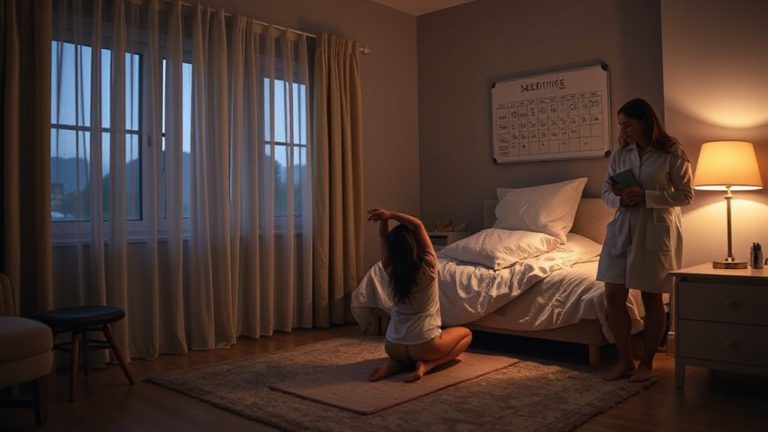
Since comfort plays a key role in uninterrupted sleep, layering your minimalist bedding should focus on function-start with a breathable fitted sheet, like 100% organic cotton or TENCEL™, to wick moisture and regulate temperature. Add a soft, lightweight duvet cover in natural fibers to maintain airflow while reducing allergens. If you struggle with anxiety or restlessness, consider adding weighted blankets, which can provide gentle pressure to support relaxation-look for ones filled with glass beads for even weight distribution and machine-washable covers. Pair this with blackout curtains to block external light, helping regulate melatonin and improve sleep onset. Choose curtains with thermal lining; they reduce noise and maintain room temperature. Test bedding layers gradually, noting how each affects your comfort. Many brands offer sleep trials or warranties, so verify return policies before committing. This thoughtful layering supports deeper, quieter rest without clutter. For budget-friendly options without sacrificing quality, explore the best affordable weighted blankets available from trusted brands.
Make Your Bed a Clutter-Free Zone
Though your bedding layers matter for comfort, what you keep on top of the bed impacts rest just as much-treat your mattress like a sleep-only zone to reduce distractions and support a calm mindset. Avoid storing clothes, books, or electronics on your bed, since clutter can disrupt nighttime routines and make it harder to wind down. A clean surface signals your brain that it’s time to rest, supporting better sleep habits. Choose a bed frame design with built-in storage if space is tight, so essentials stay out of sight. Minimalism isn’t about emptiness-it’s about removing what doesn’t serve your rest. Keep only what supports comfort and ease, like a single throw or sleep-friendly pillow. Test the setup for a week; notice if your focus improves at bedtime. Look for designs with long trial periods, so you can adjust without pressure.
How Minimalist Bedding Enhances Sleep
A restful night begins with intention-choosing minimalist bedding isn’t just about looks, it’s about shaping an environment where sleep comes easier. You’ll notice how texture contrast between smooth sheets and a slightly coarse duvet can ground your senses, reducing mental clutter. These subtle differences help signal your brain that it’s time to unwind. Minimalist bedding often uses breathable, natural fabrics that support airflow optimization, keeping your body temperature steady throughout the night. This is especially helpful if you tend to overheat or live in a warmer climate. Look for materials like organic cotton or linen, which wick moisture and resist allergens. Many brands offer trial periods, so you can test comfort without risk. Check warranty details, too-longer coverage often reflects better construction. Choosing simpler bedding isn’t a sacrifice; it’s a practical step toward consistent, uninterrupted rest.
On a final note
You’ll sleep better when your bedding supports calm and simplicity. Choose natural fabrics like cotton or linen for breathability and softness, and stick to neutral tones to create a restful space. Keep only essentials-fitted sheet, flat sheet, duvet cover-and layer lightly for comfort. A clutter-free bed encourages mindful sleep habits. Test options with generous trial periods, and check warranty details for long-term value. These practical steps can improve sleep quality over time.