Understanding the Role of Chronotypes in Sleep Disorder Diagnostics and Treatment Planning
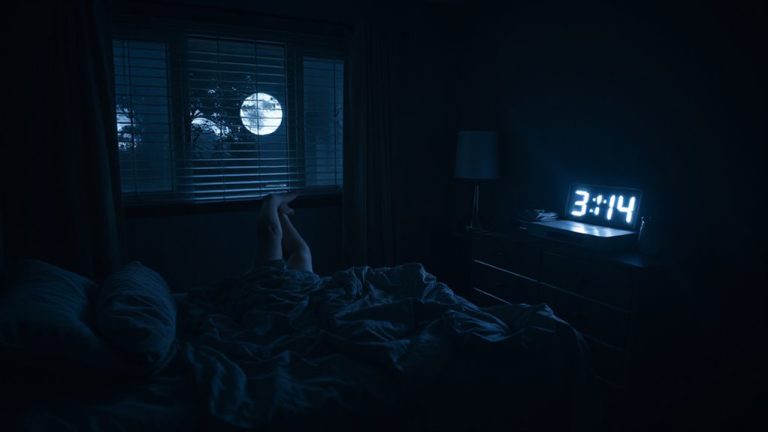
You likely carry a natural sleep preference shaped by genes and light exposure, and ignoring it can skew sleep disorder diagnosis. Your chronotype affects when you feel alert, when you produce melatonin, and how well treatments work. Night owls may need delayed melatonin or morning light, while early birds benefit from earlier cues. Matching therapy to your rhythm improves results. Tools like sleep logs or the Morningness-Eveningness Questionnaire help pinpoint your type-understanding it fine-tunes every part of care. There’s more to how timing shapes outcomes than most expect.
Notable Insights
- Chronotypes influence natural sleep-wake timing and must be considered to distinguish true sleep disorders from misaligned rhythms.
- Misalignment between chronotype and lifestyle impairs sleep quality, focus, mood, and long-term health outcomes.
- Diagnostic accuracy improves when assessments account for chronotype-driven variations in sleep architecture and hormone rhythms.
- Clinical evaluation uses sleep logs, actigraphy, and questionnaires to identify true circadian patterns, especially on free days.
- Effective treatment requires timing interventions like melatonin, light exposure, and medication to align with individual chronotype rhythms.
What Are Chronotypes: and Why Do They Matter for Sleep?
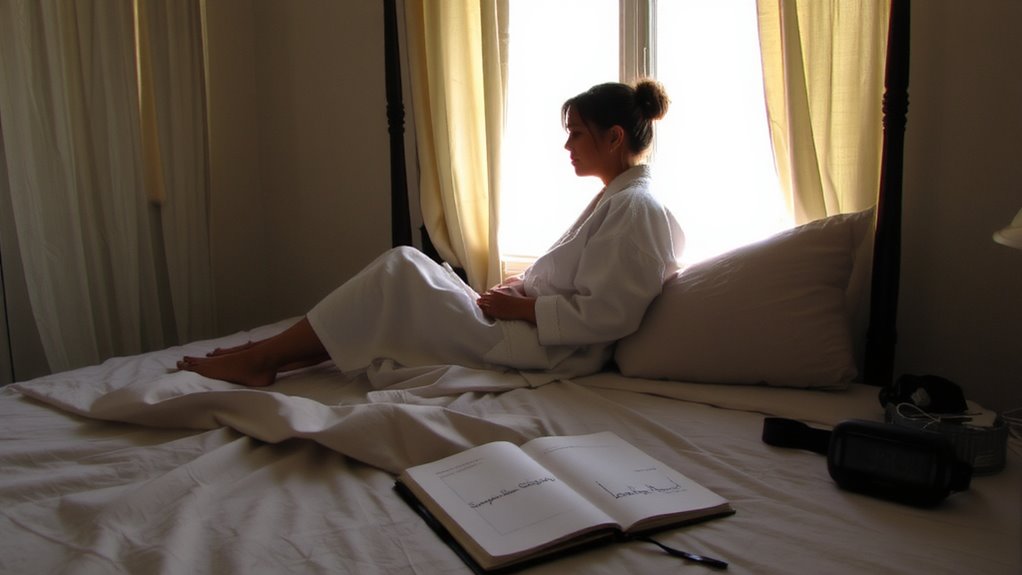
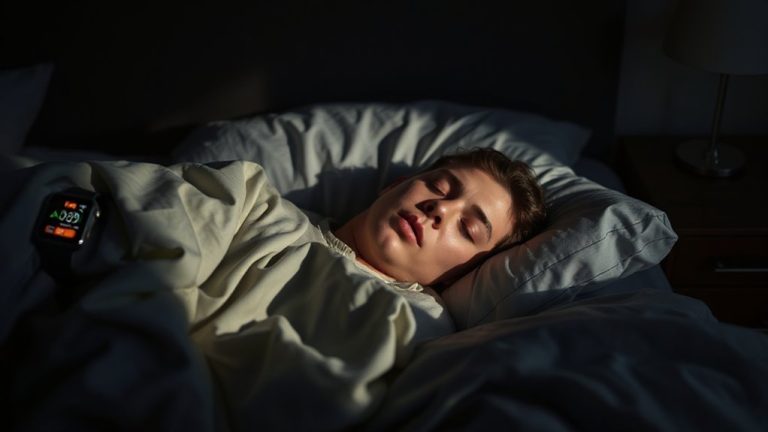
Sleep patterns aren’t one-size-fits-all, and your chronotype-the natural tendency of your body to sleep and wake at certain times-plays a key role in how well you rest. Your chronotype is shaped by both genetic predisposition and environmental influences, like light exposure or work schedules. You might be a morning lark, a night owl, or somewhere in between. Understanding your pattern helps you align sleep habits with your body’s rhythm. When your schedule clashes with your natural tendencies, sleep quality drops. This misalignment can affect focus, mood, and long-term health. Adjusting bedtime, limiting screen use at night, or increasing morning light exposure may help. Some find value in sleep tracking tools or adjustable lighting systems with trial periods. These options offer practical ways to test what works, supporting better sleep without pushing any single solution.
Can Chronotype Affect Sleep Disorder Diagnosis?
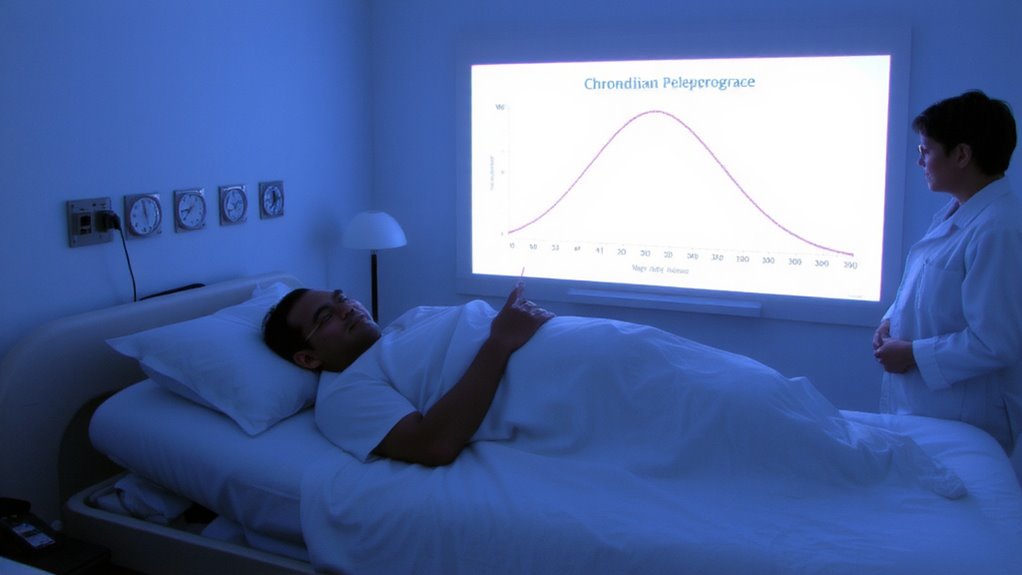
Could your natural sleep preference be masking a deeper issue? If you’re a night owl trying to live like an early bird, the mismatch might distort how your sleep issues appear. Your chronotype influences sleep architecture, altering when you enter deep sleep or REM cycles. This shift can mimic or hide signs of sleep disorders like insomnia or sleep apnea. Hormonal fluctuations tied to your body clock-like melatonin and cortisol-also change in pattern, possibly skewing test results taken at non-ideal times. Misreading these signals could lead to an incomplete or inaccurate diagnosis. Recognizing your chronotype helps clinicians interpret your sleep data more accurately. It doesn’t change the tools used, but it shapes how results are viewed. Understanding this link supports better evaluation and more tailored treatment paths. You’ll get clearer insights when your natural rhythm is part of the diagnostic picture.
How to Assess a Patient’s Chronotype Clinically
How do you begin identifying your natural sleep tendency in a clinical setting? Start by asking patients about their sleep patterns on days free of work or obligations, since this reveals their true rhythm. Use validated tools like the Morningness-Eveningness Questionnaire to categorize them as morning, evening, or intermediate types. Consider their genetic predisposition-family history of night owl or early bird habits can shape their chronotype. But don’t overlook environmental influences like light exposure, screen use, or shift work, which can mask or shift natural tendencies. Track sleep logs or use actigraphy for one to two weeks to confirm patterns. This blend of self-report and objective monitoring gives a clearer picture. Understanding both biology and lifestyle helps guide accurate diagnostics and informs personalized sleep strategies without assuming one size fits all.
Why Night Owls Need Different Treatment Than Early Birds
You likely already know whether you’re the type to rise with the sun or hit your stride after midnight, and that preference isn’t just habit-it’s wired into your biology. Your genetic predisposition shapes your chronotype, influencing when you feel alert or tired. Hormonal fluctuations, like melatonin release, follow this internal rhythm, peaking later in night owls. Because of this, treatments effective for early birds might not work for you if you’re a night owl.
| Factor | Early Bird | Night Owl |
|---|---|---|
| Peak Alertness | Morning | Evening |
| Melatonin Onset | Early evening | Late night |
| Sleep Drive | Builds early | Builds late |
| Treatment Timing | Morning light, early meds | Evening adjustments needed |
| Genetic Influence | Strong | Strong |
Timing Light, Sleep, and Meds by Chronotype
When should you take your melatonin, adjust your light exposure, or set your bedtime? It depends on your chronotype. If you’re a night owl, timing is key-taking melatonin 2–3 hours before your natural sleep onset helps shift your rhythm earlier. Morning larks, though, may only need it occasionally and earlier in the evening. Light therapy works best when timed to your internal clock: night owls benefit from morning light exposure to advance their cycle, while late risers should avoid evening blue light. Medication timing also matters-taking sleep aids too early or too late reduces effectiveness. Aligning light therapy, medication timing, and sleep schedules with your chronotype improves results. Trial adjustments over one to two weeks, under guidance, help find the right routine. It’s not one-size-fits-all-your body’s natural rhythm shapes what works. For best results, consider choosing a high-quality melatonin supplement based on expert-reviewed formulations.
On a final note
You can use your chronotype to guide smarter sleep decisions, whether adjusting bedtime, choosing light exposure, or timing medications. Knowing if you’re a night owl or early bird helps match treatments to your body’s rhythm, improving results. Consider simple, evidence-backed tools like light therapy or melatonin-but time them right. Trial adjustments gradually, track changes, and consult professionals when needed. Small, informed steps lead to better sleep outcomes.