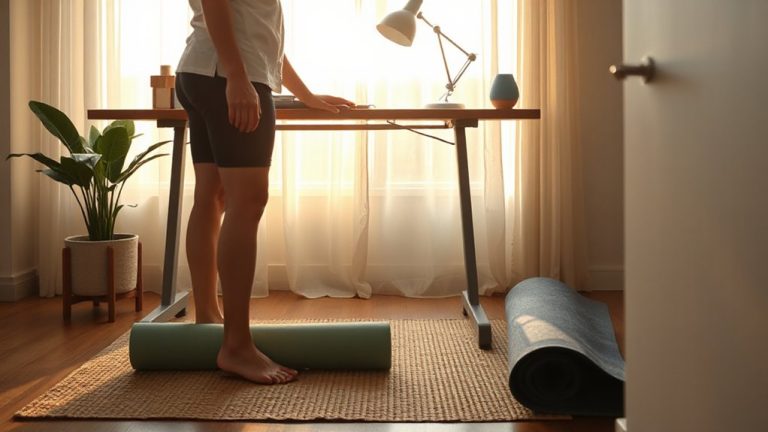
Observing Sleep Position Preference Shifts Across Different Phases of ACL Rehabilitation
You’ll start by sleeping on your back with the leg elevated, using pillows or an adjustable bed to reduce swelling and support healing. As recovery progresses, you may notice yourself rolling to the side or shifting positions at night-signs of improved stability and less pain. Decreased nighttime discomfort and morning stiffness often mean you’re advancing into mid-rehab stages. These natural changes in sleep posture reflect your knee’s growing strength and mobility, offering subtle clues about your rehab timeline and readiness for more activity.
Notable Insights
- Early post-op sleep positions prioritize leg elevation to reduce swelling and support fluid drainage.
- Preferred sleep positions shift as mobility and joint stability improve during mid-rehabilitation phases.
- Decreased need for strict elevation indicates reduced swelling and progression in recovery.
- Unconscious rolling or weight shifting during sleep emerges with improved neuromuscular control.
- Morning knee tightness may signal the need to reassess sleep positioning and support strategies.
How Your Sleep Position Reflects ACL Recovery Stage
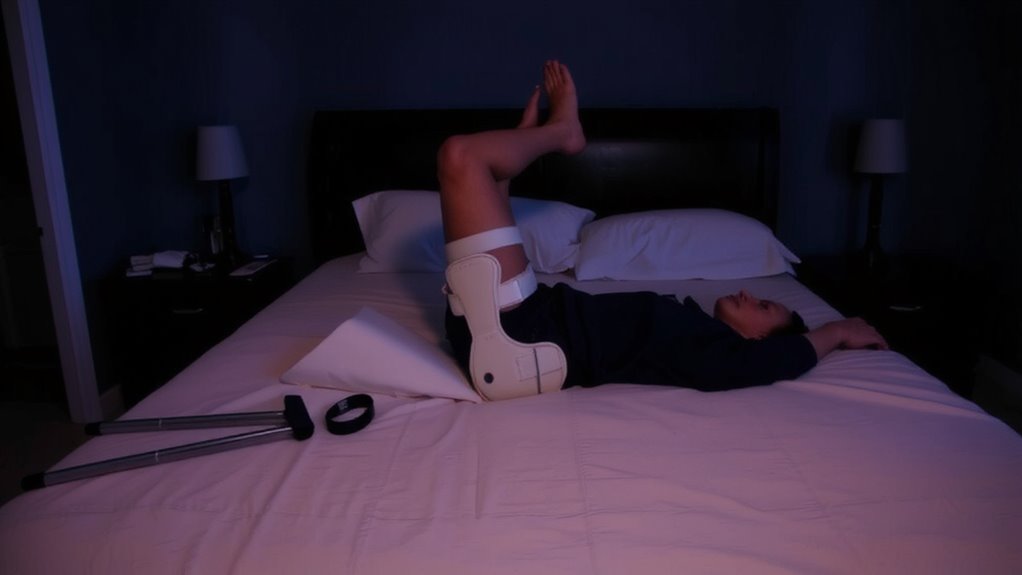
Why do you find yourself shifting positions so much at night since your ACL surgery? Your night patterns are closely tied to your recovery stage. Early on, you likely sleep propped up-your body cues tell you that reducing swelling matters. As healing progresses, you might notice yourself rolling to your side or attempting flat positions, signaling improved joint stability. These shifts aren’t random; they reflect healing milestones. Monitoring your sleep position helps you interpret what your body’s communicating. For example, if you consistently avoid pressure on the surgical leg, it may mean you’re still in an acute phase. Supportive pillows and adjustable beds can align with changing needs. Pay attention to comfort duration and movement frequency-both inform recovery progress. Tracking these patterns helps guide decisions about sleep aids or position adjustments, ensuring rest supports rehabilitation without overstepping limits. A copper-infused Copper Mattresses can also enhance recovery by regulating temperature and reducing discomfort during prolonged rest.
Why ACL Pain Changes How You Sleep
If you’ve noticed you’re tossing and turning more since your ACL surgery, it’s likely because shifting pain levels directly affect how comfortably you can lie down. As your body heals, changes in pain sensitivity can make certain positions unbearable, especially at night when distractions fade. Heightened nerve signaling around the knee joint may send sharp, unexpected signals that disrupt sleep onset or cause awakenings. These shifts aren’t just annoying-they reflect your nervous system recalibrating. You might find relief by adjusting pillow placement or trying a reclined position that reduces pressure. Sleep aids like supportive braces or over-the-counter pain relievers, used as directed, can help manage symptoms temporarily. Consider tracking your discomfort and sleep patterns to discuss with your clinician. Small adjustments, backed by understanding nerve signaling and pain sensitivity, can improve rest without overreliance on medication. For side sleepers, using a best knee pillow can promote proper spinal alignment and reduce strain on the healing ACL.
Sleeping With Swelling: What to Expect After Surgery
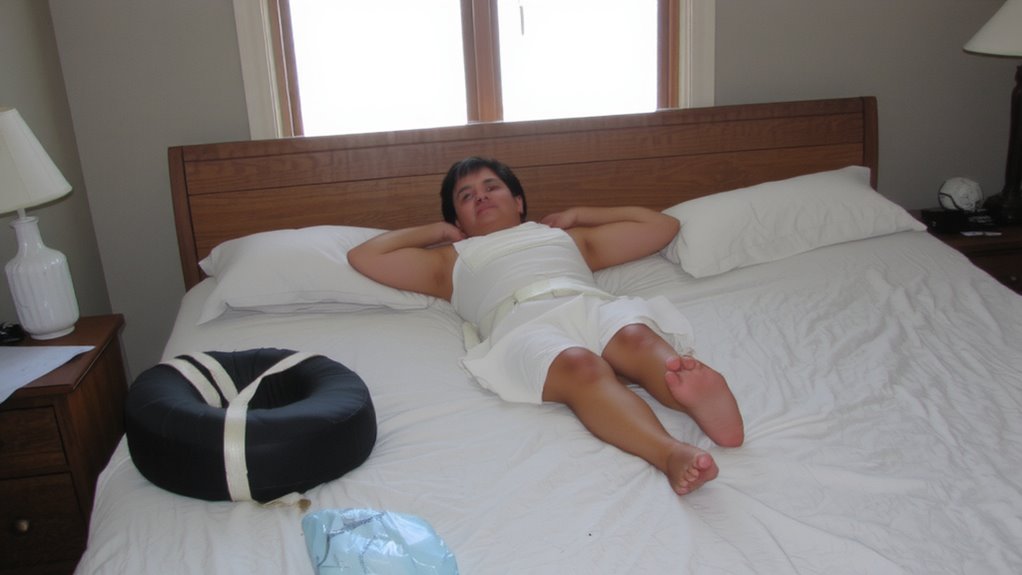
Swelling after ACL surgery is common and often most noticeable at night, when lying down can slow fluid drainage from the knee. This fluid retention may increase night discomfort, especially if you don’t adjust your sleeping position or supports. Elevating your leg above heart level can help reduce swelling and improve sleep quality. A well-chosen hammock sleeping pad can provide added comfort and support during recovery, especially for those transitioning from bed to reclined positions. Below are common strategies and their effects:
| Method | Benefit | Consideration |
|---|---|---|
| Leg elevation | Reduces fluid retention | Needs firm, stable support |
| Compression | Limits swelling buildup | Shouldn’t restrict circulation |
| Ice therapy | Eases night discomfort | Use in 20-minute intervals |
Try combining elevation with a supportive pillow or adjustable bed. Most patients report better rest within a few nights. Check warranty info if buying new sleep aids-many offer trial periods. Always follow your rehab team’s guidance when choosing supports.
Mid-Rehab Shifts: When You Start Lying Differently
How you lie down now might surprise you-your comfort spots are shifting as your knee heals and swelling decreases. You’re likely noticing changes in bed positioning, guided by improved movement awareness and reduced stiffness. Where once you needed strict elevation and pillows, you might now roll slightly or shift weight unconsciously during sleep. This shift is normal and reflects your body adapting to greater stability. You may find side or even stomach sleeping possible, though support is still key. Consider adjustable pillows or mattress toppers to maintain alignment without strain. Devices like knee braces for sleep or contoured foam wedges can help manage pressure as positions evolve. Pay attention to how your knee feels in the morning-tightness or new discomfort signals the need to reassess. Trial different setups gradually, noting what supports rest without irritation. Most sleep aids offer trial periods, giving you time to determine what truly works.
Does Leg Preference Show ACL Confidence?
Why do you keep rolling onto your injured leg in your sleep-could that actually mean you’re gaining confidence in your ACL? Increased use of your injured leg during rest may reflect shifting confidence perception as healing progresses. Even if you’re not fully weight-bearing yet, subconscious positioning can signal growing trust in the joint. Your brain may be recalibrating based on reduced pain and improved stability. Though leg dominance often influences initial sleeping postures, changes over time-like bearing light pressure on the surgical side-suggest neuromuscular reintegration. This doesn’t replace clinical measures, but it’s a subtle behavioral cue. Monitoring these shifts, perhaps with sleep journals or wearable trackers, helps you and your therapist assess functional recovery. While sleep aids or positional pillows can guide alignment, letting natural preference emerge may offer insight. Just make certain any position avoids strain. Always consult your rehab team before adjusting protocols.
Sleep Habits Before Returning to Sport
While you’re getting closer to sport, your sleep habits can either support or slow down your progress. A consistent sleep environment helps signal your body it’s time to rest, improving sleep quality vital for physical healing. Keep the room dark, cool, and free from screens at least 30 minutes before bed. Your recovery mindset plays a key role-viewing sleep as active recovery strengthens commitment. Avoid relying on sleep aids unless advised by a healthcare provider, since some may interfere with muscle repair. If you struggle with falling or staying asleep, consider behavioral strategies like relaxation routines or fixed bedtimes. Poor sleep can delay return-to-sport timelines by weakening tissue repair and focus during rehab sessions. Monitor how you feel upon waking-refreshed or fatigued-as it reflects your sleep’s effectiveness. Small adjustments now support stronger long-term outcomes.
Track Your Sleep to Boost ACL Rehab Progress
Isn’t it surprising how much your sleep patterns can influence recovery after an ACL injury? Tracking your rest isn’t just about hours-sleep tracking gives you real-time recovery metrics that guide rehab decisions. By monitoring sleep quality, duration, and position, you spot trends tied to pain, inflammation, or mobility improvements. Consider using wearable devices or apps designed for recovery tracking, which offer trial periods and reliable data syncing.
| Feature | Purpose |
|---|---|
| Sleep duration logging | Tracks total rest time for ideal healing |
| Movement detection | Identifies position shifts affecting the knee |
| Heart rate variability | Measures physiological stress levels |
| Recovery score | Combines data into daily recovery metrics |
Use this insight to adjust pillows, room temperature, or bedtime routines. Some devices offer warranties and perform well in clinical trials. Exploring options with clear performance features helps you make informed choices about sleep aids or disorder management, supporting steady ACL progress.
On a final note
Your sleep position shifts can signal progress in ACL rehab, reflecting changes in pain, swelling, and confidence. Lying flat or favoring your leg differently may show healing milestones. Tracking these patterns helps guide rest and recovery decisions. Consider supportive pillows or adjustable beds for comfort, but consult your therapist before trying sleep aids. Most rehab-focused sleep tools come with trial periods and limited warranties-test what aligns with your recovery stage, weight-bearing status, and comfort needs.