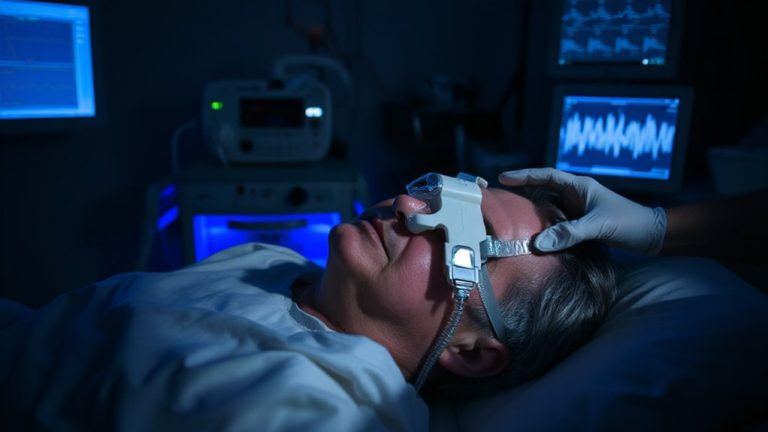
Delayed Sleep Phase Disorder: Effects on Metabolism & Weight
Your delayed sleep schedule shifts your internal clock, disrupting hormone release and slowing metabolism when it’s least active. This misalignment raises insulin resistance and increases nighttime cravings, promoting weight gain even with healthy eating. Poor morning light exposure weakens wake signals, while late light exposure delays melatonin. Over time, risks like metabolic syndrome and inflammation rise. With proper timing of light, sleep routines, and medical guidance, you can improve metabolic health-there’s more to discover about reversing these effects.
Notable Insights
- Delayed Sleep Phase Disorder disrupts circadian rhythms, causing misaligned melatonin and cortisol release that impairs insulin sensitivity.
- Late sleep and wake times lead to eating during low-metabolic-activity hours, promoting fat storage and weight gain.
- Chronic circadian misalignment increases systemic inflammation, contributing to insulin resistance and metabolic dysfunction.
- Reduced morning light exposure and disrupted sleep architecture decrease glucose tolerance and energy regulation.
- Persistent sleep timing delays elevate long-term risks for metabolic syndrome, obesity, and cardiovascular disease.
What Is DSPD?

While most people follow a typical sleep schedule, falling asleep at night and waking in the morning, you might find yourself consistently struggling to fall asleep and wake up at socially acceptable times-and that could be a sign of Delayed Sleep Phase Disorder, or DSPD. Your natural sleep timing shifts later, sometimes by hours, making it hard to align with school, work, or social demands. This delay isn’t just poor habits; it’s linked to a shift in your body’s melatonin release, which signals sleep onset. Melatonin usually rises in the evening, but with DSPD, it kicks in much later at night. You may sleep well once you’re down-just not when expected. Unlike temporary insomnia, DSPD follows a consistent pattern over months. Recognizing this helps guide choices: adjusting light exposure, considering melatonin supplements under guidance, or seeking behavioral therapies to gradually shift sleep timing.
How DSPD Hijacks Your Circadian Rhythm
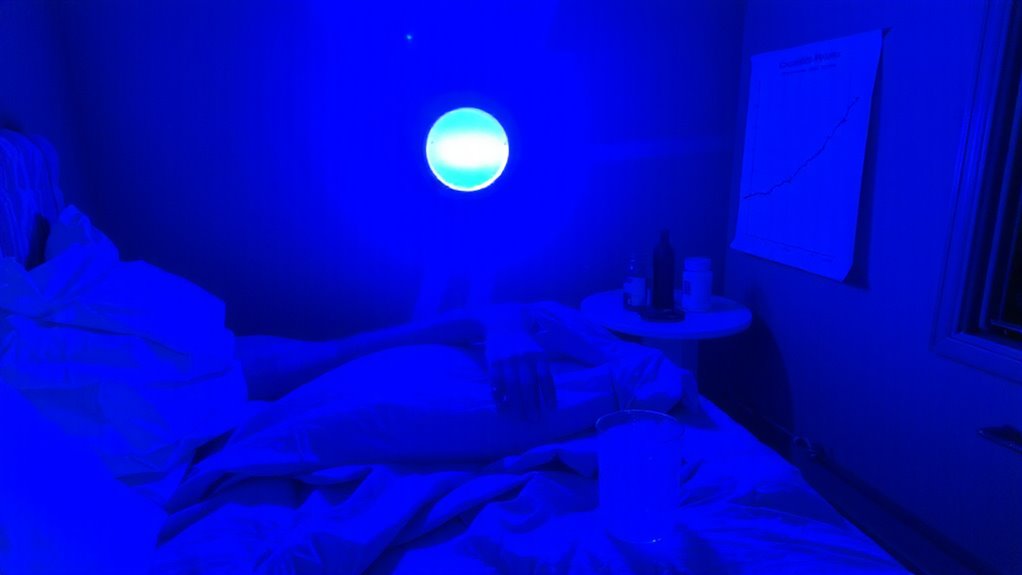
Your body runs on a natural 24-hour cycle called the circadian rhythm, which helps control when you feel alert or sleepy by regulating hormones like melatonin. With DSPD, this rhythm shifts later, making you fall asleep much later than typical bedtimes. Your brain responds strongly to light exposure, especially at night, which further delays melatonin release. Even if you want to sleep earlier, your body won’t let you. Then, when morning comes, bright light hits you earlier than your internal clock expects, making wakefulness hard. This mismatch leads to sleep fragmentation-frequent, brief awakenings that reduce sleep quality. Over time, poor timing and broken sleep strain your system. Adjusting light exposure, like using dim lights at night and bright light in the morning, may help reset your rhythm. Some find low-dose melatonin or timed light therapy useful, often with medical guidance.
Why DSPD Causes Insulin Resistance

Because your internal clock runs out of sync, the timing of your sleep affects how your body manages blood sugar, and that’s where insulin resistance can start to come in. When you consistently sleep late, your cells don’t respond as well to insulin, especially during usual waking hours. This misalignment triggers a hormonal imbalance, disrupting cortisol and melatonin rhythms, which in turn affects glucose regulation. Over time, the stress on your body fuels chronic inflammation, a key factor in reducing insulin sensitivity. Studies show people with DSPD often have higher fasting insulin levels, even if they eat well and exercise. While sleep aids won’t fix the root issue, timed light therapy and consistent sleep scheduling can gradually reset your rhythm. Some find low-dose melatonin helpful under medical guidance. Consider tracking sleep and blood sugar patterns to evaluate changes. Treatment focuses on alignment, not quick fixes, improving long-term metabolic function with patience and consistent effort.
Why DSPD Leads to Weight Gain
If your internal clock runs several hours behind the typical sleep-wake cycle, you’re likely spending more time awake during late-night hours when metabolism naturally slows. That’s when food cravings, especially for high-calorie, sugary, or salty snacks, become harder to resist. Since your body expects rest, it burns fewer calories, making late-night eating more likely to lead to weight gain. You’re also more prone to reduced activity in the morning-missing workouts or skipping exercise due to grogginess or schedule conflicts. Over time, the combination of increased calorie intake during off-peak metabolic hours and lower daily movement adds up. While sleep aids or light therapy may help realign your rhythm, consistency matters most. Small shifts in bedtime, paired with reduced screen time and morning light exposure, can gradually improve timing. Addressing DSPD isn’t just about sleep-it’s a step toward better metabolic health and weight management.
Long-Term Health Risks of Untreated DSPD
Shifting your sleep schedule even slightly off the body’s natural rhythm can quietly increase health risks over time. If you have untreated Delayed Sleep Phase Disorder (DSPD), your body faces ongoing strain from misaligned sleep and wake times. This disruption often leads to hormonal imbalances, affecting insulin, cortisol, and leptin levels, which control metabolism and appetite. Over time, these changes can contribute to weight gain and metabolic syndrome. You’re also more likely to face cardiovascular risks, including high blood pressure and increased heart rate variability, especially if poor sleep persists for years. Chronic sleep disruption has been linked to higher inflammation markers, stressing your system even during rest. Addressing DSPD with consistent sleep routines, light therapy, or professional advice may help reduce these long-term effects. Considering treatment early supports better physical health and improves daily functioning over time.
On a final note
You might feel stuck in a cycle where sleep starts late and energy dips daily, but recognizing DSPD’s role helps you take action. Shifting sleep times gradually, limiting evening light, and consistent wake-ups can improve rhythm. Some find help with light therapy or melatonin, though discussing options with a doctor guarantees safe use. Untreated, DSPD may affect metabolism and long-term health, so early steps-like sleep tracking or clinical advice-support better outcomes without overpromising quick fixes.