Reverse Engineering Ideal Sleep Setup From Elite Powerlifters’ Reported Recovery Habits
You treat your training with precision, so protect your sleep like part of the program. Elite lifters stick to a fixed wake time every day-you should too, since consistency strengthens recovery. Keep your room cool, between 60–67°F, and pitch-black to boost melatonin. Avoid screens 90 minutes before bed to prevent delays in falling asleep. If using supplements, try 0.5–3 mg melatonin or magnesium glycinate, but only after improving sleep habits. Choices like these shape long-term recovery-there’s more to align if you’re aiming higher.
Notable Insights
- Elite powerlifters prioritize sleep as critical training time for neurological adaptation and muscle repair.
- A consistent wake time stabilizes circadian rhythm and enhances daily recovery capacity.
- Optimal sleep environments maintain 60–67°F and total darkness to maximize melatonin and sleep depth.
- Powerlifters avoid screens 90 minutes before bed to prevent melatonin suppression and delay sleep onset.
- Strategic supplement use includes low-dose melatonin and magnesium glycinate to support natural sleep cycles.
Why Elite Powerlifters Treat Sleep Like a Workout
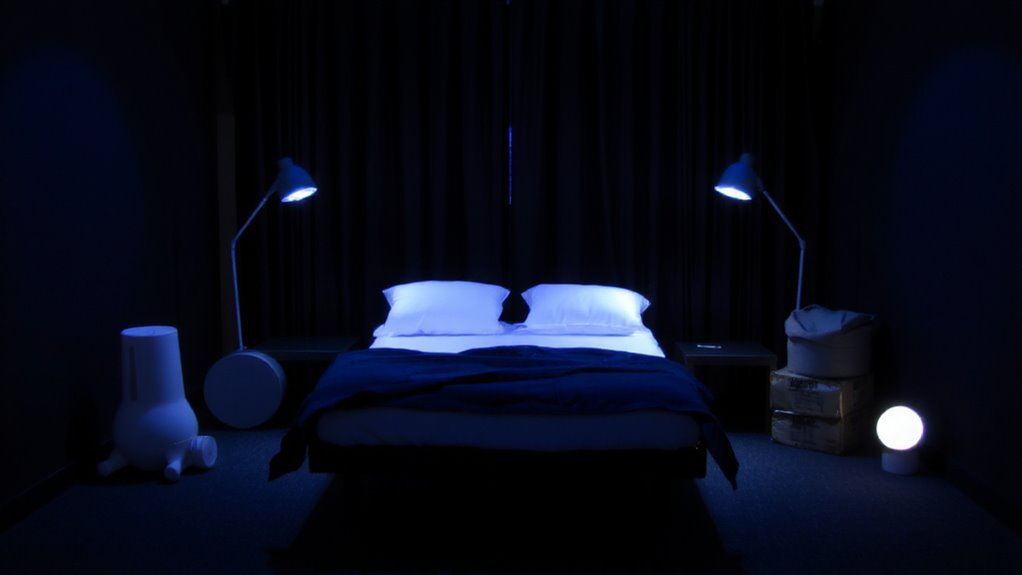
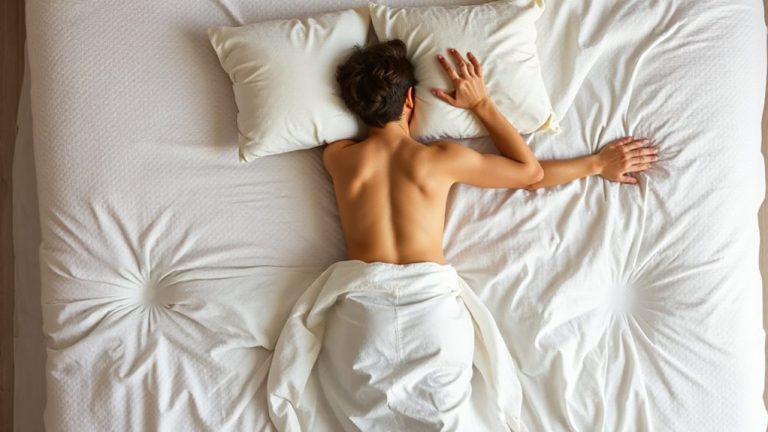
While you might think recovery starts in the gym, elite powerlifters know it actually kicks in the moment their head hits the pillow-because sleep isn’t just downtime, it’s when your body repairs muscle, balances hormones, and consolidates strength gains. You’re not just resting; you’re enabling neurological adaptation, the process where your nervous system fine-tunes movement patterns for heavier lifts. During deep sleep, hormonal precision occurs: cortisol drops, while growth hormone and testosterone rise, supporting recovery. Think of sleep as a scheduled training session-skip it, and gains stall. Your mattress, room temperature, and screen habits all affect sleep quality, just like form affects a squat. Over-the-counter sleep aids may help short-term but can disrupt natural cycles if used long-term. For lasting results, prioritize consistency and environment. Consider a sleep study if fatigue persists-undiagnosed disorders like apnea sabotage recovery. Trial small changes, track how you feel, and adjust based on performance, not just comfort. Choosing the right best mattress for back pain can significantly improve spinal alignment and reduce discomfort during recovery.
Stick to a Rock-Solid Sleep Schedule (Even on Off Days)
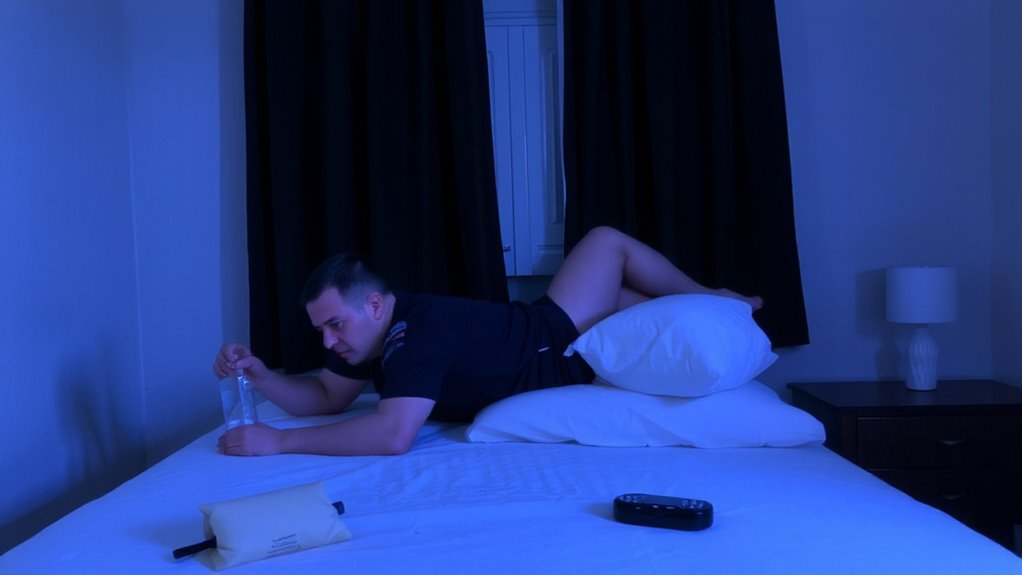
You can nail your sleep environment and habits, but consistency still decides whether recovery stays on track. Elite powerlifters stick to consistent timing because it regulates circadian rhythm, enhancing sleep quality night after night. Even on off days, they practice weekend discipline-delaying bedtime or waking late just once can disrupt progress. Think of sleep like training: gaps in frequency weaken results.
| Factor | Benefit | Trade-off |
|---|---|---|
| Fixed wake time | Stabilizes rhythm | Less flexibility |
| Sleep onset routine | Eases shift | Requires planning |
| Weekend discipline | Prevents drift | Social compromise |
| Consistent timing | Better REM cycles | Initial adjustment |
| 7-day schedule | Full recovery | Needs commitment |
Over time, this approach improves alertness, mood, and physical repair without relying on aids.
Optimize Your Sleep Environment: Cold & Dark
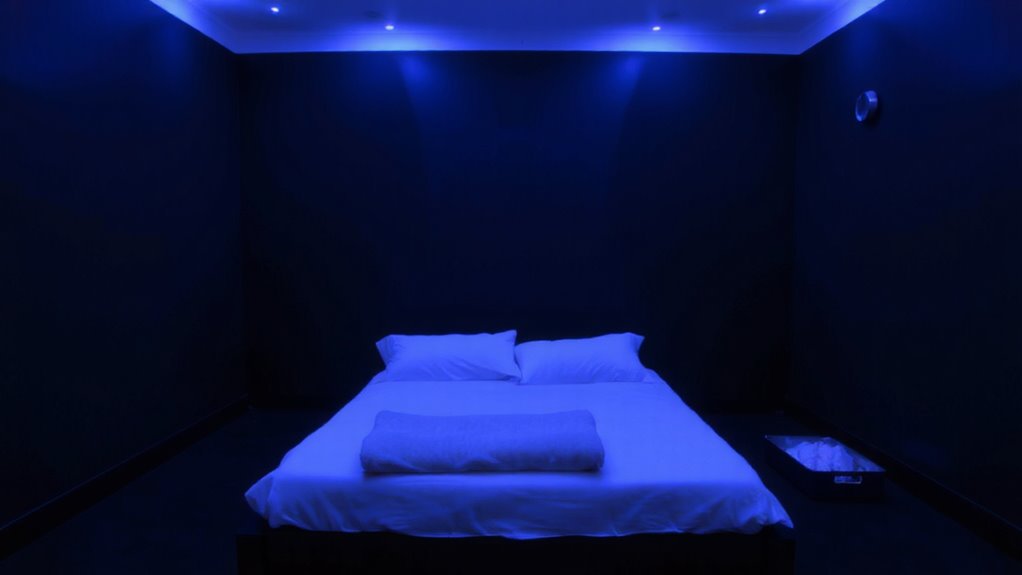
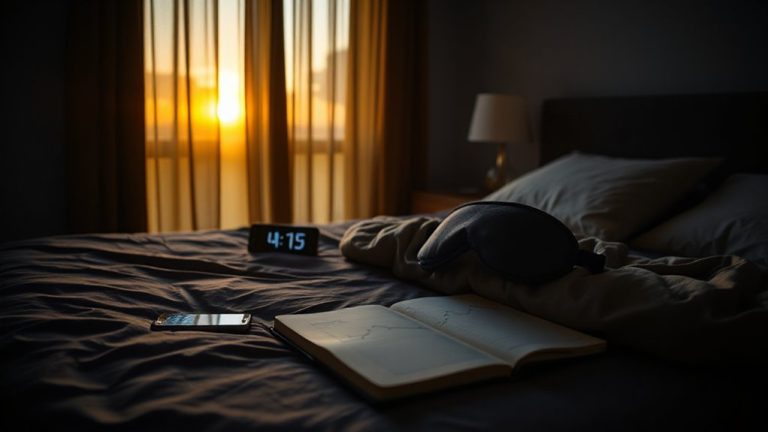
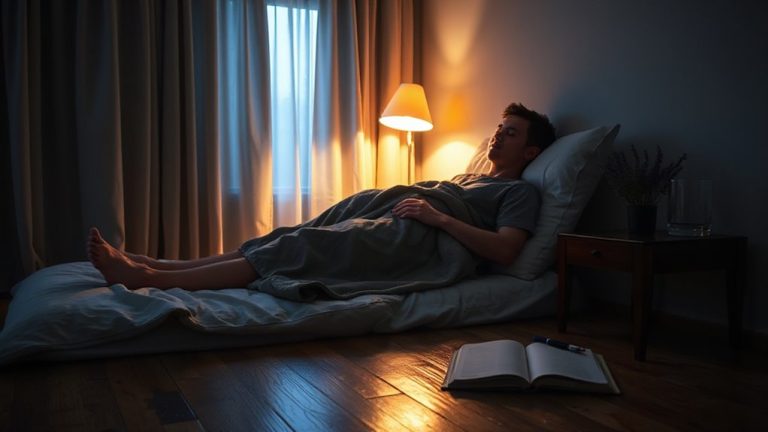
Since body temperature naturally dips during the night, keeping your bedroom cool helps signal that it’s time to sleep and stay asleep. Elite powerlifters often prioritize temperature control, typically setting their rooms between 60–67°F (15–19°C), which supports deeper, uninterrupted sleep. A cooler environment prevents overheating, which can disrupt sleep cycles. Pair this with effective light blocking using blackout curtains or a well-fitted sleep mask to shield against ambient light. Even small amounts of light can interfere with melatonin production, so complete darkness improves sleep onset and quality. Together, temperature control and light blocking create a stable, rest-promoting environment. Some find cooling mattress pads or breathable bedding enhances comfort, especially in warmer climates. These features are often adjustable and come with trial periods, letting you test what works best. Focus on consistency-small, evidence-backed tweaks make a measurable difference over time. For apartment dwellers, installing best blackout curtains for apartments can significantly enhance light blockage without permanent modifications.
Ditch Screens 90 Minutes Before Bed: Here’s Why
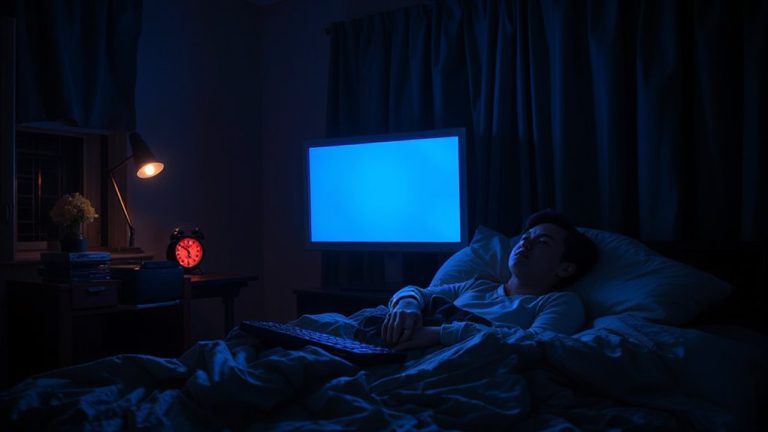
If you’re still using phones, tablets, or computers late at night, that screen glow might be undermining your sleep more than you think. The blue light effects from these devices suppress melatonin, the hormone that signals sleep. This leads to circadian rhythm disruption, making it harder to fall asleep and reducing sleep quality. Elite powerlifters avoid screens at least 90 minutes before bed to protect their recovery. During this window, your body begins cooling and preparing for rest-interfering with that process can delay sleep onset. Try replacing scrolling with low-light activities like reading or light stretching. Over time, this consistent routine supports deeper, more restorative sleep. It’s not about perfection, but progress. Small changes in timing and exposure make measurable differences in how quickly you fall asleep and how refreshed you feel. Prioritizing this buffer improves sleep efficiency without supplements or gadgets.
The Sleep Supplements Elite Lifters Actually Use
Many elite powerlifters prioritize sleep hygiene like screen curfews, but they also rely on specific supplements to support recovery when lifestyle habits aren’t enough. You might consider melatonin timing-taking 0.5 to 3 mg about 30–60 minutes before bed-to help regulate your sleep-wake cycle, especially with inconsistent schedules. Too much melatonin can cause grogginess, so start low and adjust carefully. Magnesium types matter, too: magnesium glycinate is often preferred for sleep due to its calming effect and better absorption, while magnesium citrate may cause digestive upset. These supplements aren’t cures for sleep disorders, but they can improve sleep quality when used consistently. Always check with a healthcare provider before starting sleep aids, particularly if you have health conditions or take other medications. Try one supplement at a time, track your results, and give it at least two weeks to assess effectiveness. For those considering magnesium supplementation, the best magnesium glycinate options are formulated for optimal absorption and minimal gastrointestinal side effects.
On a final note
You control your recovery by treating sleep like training-consistent and non-negotiable. Stick to the same bedtime, even on weekends, to regulate your rhythm. Keep your room cool and pitch dark, and cut screens 90 minutes before bed to support melatonin. Some lifters use magnesium or ZMA, but test supplements carefully. Try changes one at a time, track how you feel, and adjust based on results.