Selecting Pillows With Removable, Machine-Washable Inner Liners for Sanitation
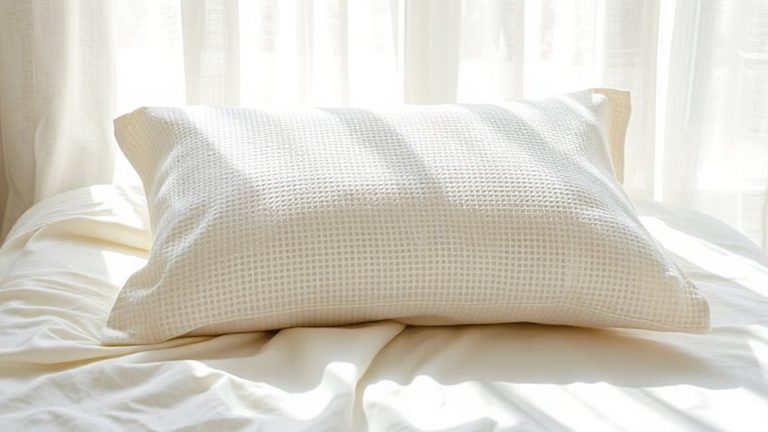
You sweat, shed oils, and leave dead skin on your pillow every night-stuff sheets can’t catch. A removable, machine-washable inner liner traps and removes this buildup, cutting dust mite growth and allergens. Look for tightly woven, hypoallergenic fabrics like organic cotton or bamboo, which stay breathable and resist odors. High-density fills keep support after washes, while durable zippers and warranties guarantee long-term use. Strong inner liners maintain cleanliness without sacrificing comfort-discover how to match these features to your sleep needs.
Notable Insights
- Choose pillows with removable, machine-washable inner liners to effectively eliminate accumulated oils, sweat, and allergens.
- Opt for hypoallergenic, breathable fabrics like organic cotton or bamboo to resist irritants and maintain cleanliness.
- Select pillows with tightly woven, durable covers and reinforced stitching to withstand repeated washing.
- Ensure the inner liner is easily removable and compatible with gentle machine washing and thorough drying.
- Prioritize pillows with quality zippers and warranties that support long-term hygiene and structural integrity.
Why Your Pillow Gets Dirty (And Why It Matters)
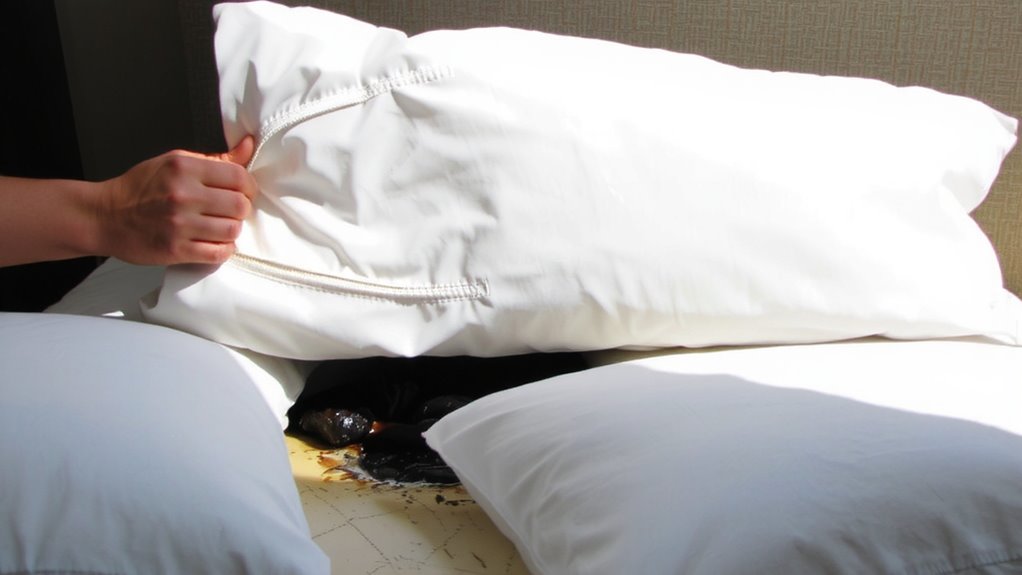
Ever wonder why your pillow starts to feel grimy after just a few months? You’re not alone-overnight, your body leaves behind skin oils, sweat, and dead skin cells. These attract dust mites, tiny bugs that feed on debris and thrive in warm, hidden spaces. Over time, their droppings and remains mix with your skin oils, creating a buildup that can affect air quality and irritate allergies. This accumulation doesn’t just make pillows feel unpleasant; it may worsen symptoms for those with asthma or sensitive skin. Even with regular sheet changes, much of this grime stays trapped inside. A pillow’s material plays a role too-some fabrics absorb more moisture, while others resist it. Choosing one with a removable, machine-washable liner helps reduce exposure. It’s a small step, but it supports cleaner sleep surfaces, which matters when managing sleep quality or related health concerns. For added hygiene and ease of care, consider down alternative pillows with removable, machine-washable liners designed to resist allergens and moisture buildup.
How to Deep Clean Pillows With Removable Liners
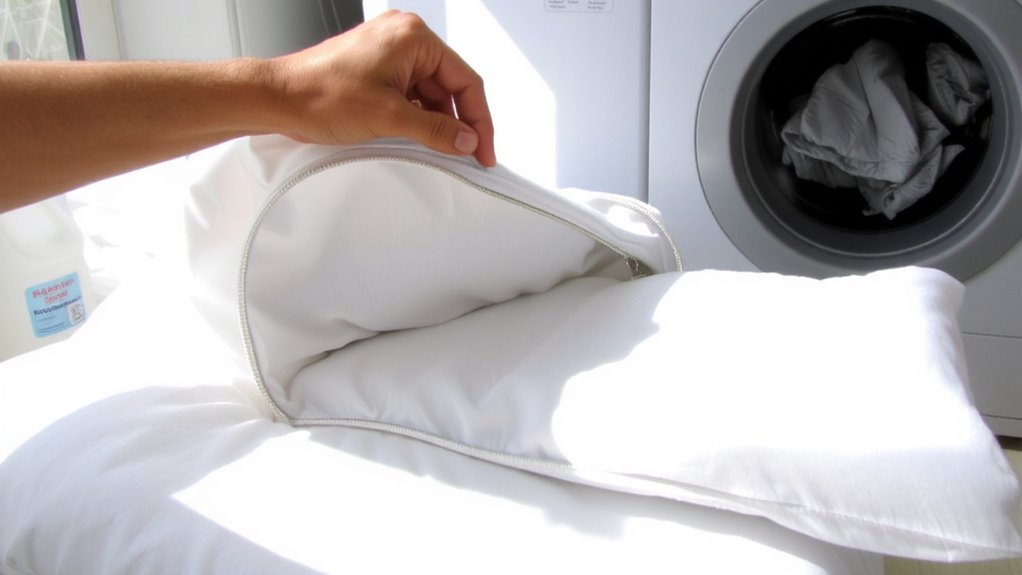
While your pillow’s liner handles daily exposure, the inner fill still needs periodic cleaning to maintain support and hygiene. Remove the liner first, then check the care label-most inner fills can be spot-cleaned or gently hand-washed. For deeper sanitation, pillow steaming is effective; it penetrates fabric without over-wetting the core, preserving loft and structure. Steam also aids in odor removal, breaking down trapped moisture and bacteria that cause musty smells. If the pillow is machine-safe, run it on a gentle cycle with mild detergent, then air-dry thoroughly to prevent mold. Avoid direct sunlight, which can degrade materials. Remember, overwashing can wear down fibers, so aim for every 3–6 months. Proper cleaning extends comfort and performance, supporting restful sleep and reducing irritants that might affect sleep quality over time.
Key Features of Washable Pillows
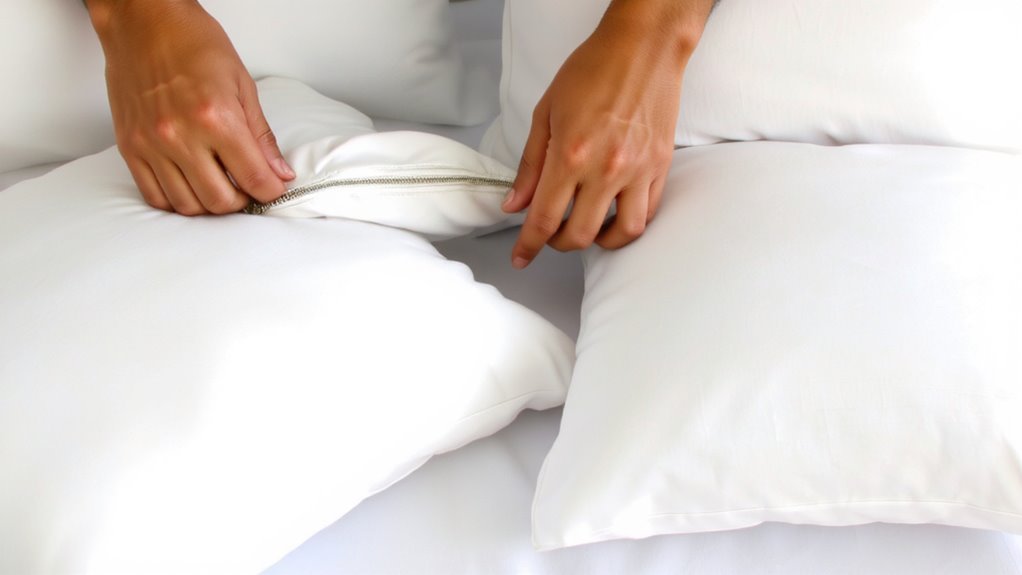
You’ll want to pay close attention to the construction when choosing a washable pillow, since how it’s built affects both durability and ease of care. Pillow density plays a key role in support-higher density offers firmer feel and better spine alignment, while lower density suits side sleepers needing plush comfort. A well-constructed inner liner guarantees the filling stays intact after repeated washing. Cover durability matters just as much; tightly woven fabrics resist pilling and stretching over time. Look for reinforced stitching and quality zippers that withstand frequent removal and washing. These features help maintain shape and cleanliness without degrading. Many quality washable pillows also come with trial periods, letting you test comfort and support. A solid warranty often backs better construction, giving you confidence in long-term use. Choose based on how these features align with your sleep position and care habits.
Hypoallergenic & Breathable: Best Fabrics for Washable Pillows
A well-built pillow starts with smart materials, just as much as it does with strong stitching and washable design. You’ll want fabrics that are both hypoallergenic and breathable to support comfortable, uninterrupted sleep. Organic cotton is a solid choice-it’s soft, naturally resistant to irritants, and allows air to circulate, helping regulate temperature. Bamboo fiber offers similar benefits, wicking moisture and resisting odor-causing microbes without chemical treatments. Both materials feel gentle on sensitive skin and hold up well to frequent washing. Pillows lined with organic cotton or bamboo fiber maintain breathability even after multiple cleanings, ensuring long-term comfort. Look for tightly woven versions to prevent fiber shedding over time. Many brands offer trial periods, so you can test how these fabrics feel nightly. A warranty often covers fabric defects, giving you added confidence. Choose based on your sensitivity level and sleep environment. For added protection, consider pairing your pillow with a best organic pillow protector to enhance cleanliness and durability.
How to Keep Your Pillow Fresh for Years
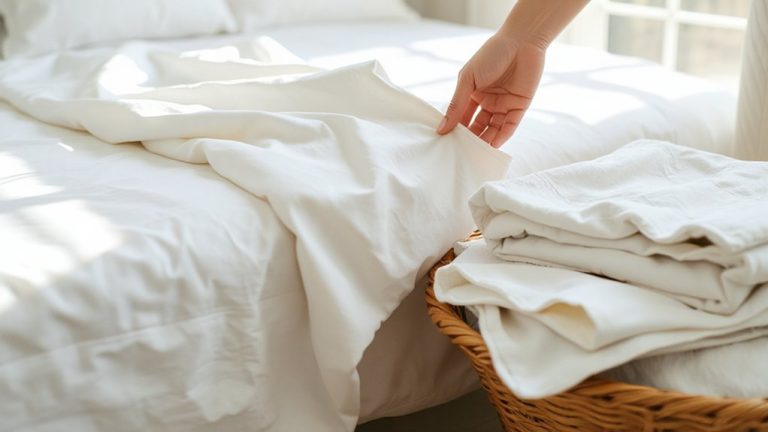
Since your pillow faces daily exposure to sweat, oils, and allergens, keeping it fresh means building a simple but consistent care routine. Use pillow rotation schedules to guarantee even wear and prolong lifespan. Pair this with moisture absorption control by choosing breathable, washable liners that block buildup without trapping heat. Regular washing of the removable liner prevents odors and maintains hygiene, while the inner fill stays protected. Air your pillow weekly near a window-away from direct sunlight-to reduce dampness. Always follow manufacturer guidelines for cleaning and drying.
| Care Step | Frequency |
|---|---|
| Liner washing | Every 1–2 weeks |
| Full pillow cleaning | Every 6 months |
| Pillow rotation | Weekly |
On a final note
You’ll want pillows with removable, machine-washable liners-they help control allergens and keep sleep surfaces clean. Look for breathable, hypoallergenic fabrics like cotton or TENCEL™, which support airflow and durability. Check the care label: some covers are easy-care, while inner forms may need spot cleaning. A solid warranty or trial period lets you test comfort and support risk-free, helping you make a smarter, longer-term sleep decision.