How to Use Skullcap to Support Sleep in People With Tinnitus
Take skullcap 30 to 60 minutes before bed to help calm your nervous system when tinnitus keeps you awake. Choose capsules for consistent dosing, tinctures for faster uptake, or tea for a gentle option-effects build over one to two weeks with regular use. Pair it with white noise, a dark room, and relaxed breathing to improve results. For best outcomes, stick to a nightly routine and track changes over time-there’s more to learn about fine-tuning your approach.
Notable Insights
- Take skullcap 30 to 60 minutes before bed to support nerve relaxation and improve sleep onset.
- Use capsules for consistent dosing or tinctures for faster absorption when managing tinnitus-related sleep issues.
- Combine skullcap with white noise to mask tinnitus and reduce nighttime perception.
- Practice good sleep hygiene by maintaining a cool, dark, and quiet sleep environment.
- Track progress in a sleep log, as improvements may become clear after one to two weeks of consistent use.
What’s Causing Your Tinnitus-Related Insomnia?
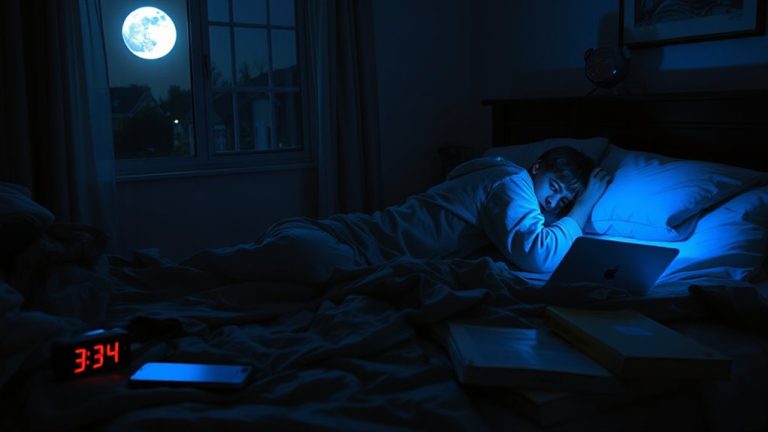
Why does your tinnitus seem louder at night? It’s not just your imagination-background noise drops when the day ends, making ringing more noticeable. But there’s more beneath the surface. Stress management plays a key role, as heightened tension can worsen perception of tinnitus and delay sleep onset. When stress lingers, it fuels neural inflammation, which may increase sensitivity in auditory pathways. This biological response can amplify how your brain processes internal sounds. Poor sleep habits and mental arousal create a loop that disrupts rest. Addressing root causes like chronic stress and neuroinflammation helps break the cycle. Consider evaluating lifestyle factors, sleep environment, and relaxation techniques. You might try white noise machines, cognitive behavioral strategies, or evaluating supplements with care. Look for options with transparent labeling, clinical backing, and clear trial policies to test what supports your sleep without unwanted side effects. A high-quality white noise machine can effectively mask tinnitus by providing consistent background sound.
Take Skullcap Nightly for Calmer Nerves

Often, people turn to skullcap because it’s long been valued for soothing the nervous system, and you might find it helpful when tinnitus keeps your mind racing at night. Taking skullcap nightly may support nerve relaxation, helping your body unwind naturally. Unlike heavier sedatives, it works gently, making it a practical option if you’re cautious about dependency. Studies suggest it influences brain pathways linked to stress, which can improve sleep quality over time. For best results, take it 30 to 60 minutes before bed, allowing time for absorption. Consistency matters-effects often build with regular use over a week or two. Since responses vary, start with a low dose to assess tolerance. Monitor your sleep patterns closely during the first few nights. If you notice improved calmness or fewer awakenings, it may be supporting your needs. Always consult your healthcare provider before starting, especially if taking other medications.
Pick Your Best Skullcap Form: Tea, Tincture, or Capsule
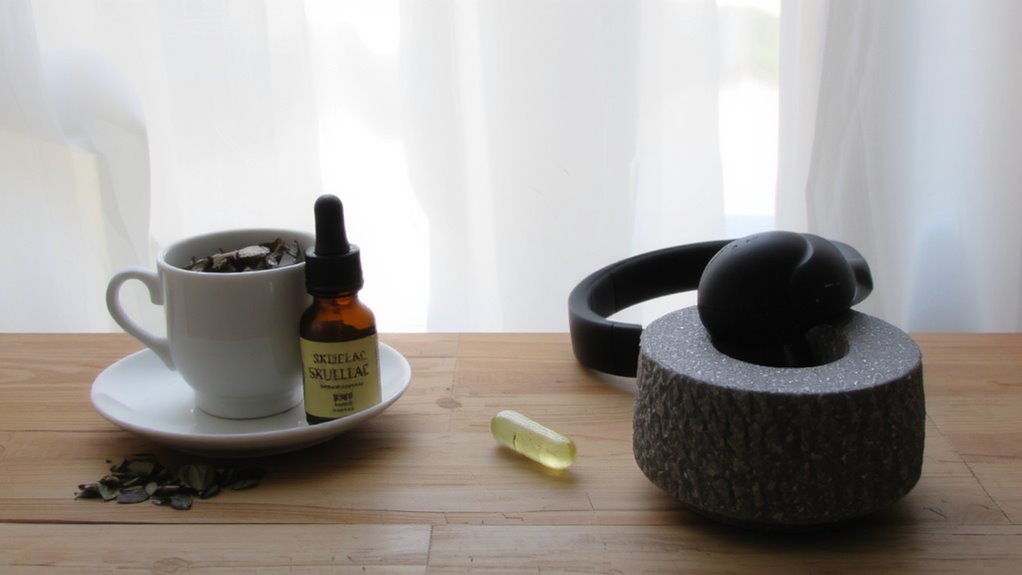
How do you get the most out of skullcap when tinnitus makes sleep hard to reach? Your choice of form-tea, tincture, or capsule-affects how quickly and consistently you feel the effects. Tea offers a gentle release, ideal if you enjoy a warm drink before bed, but its potency varies with steeping time and herb quality. Tinctures, taken in drops under the tongue, deliver faster absorption and consistent dosing, making benefit comparison easier across uses. Capsules provide precise measurements and convenience, especially for nightly use, though they take longer to kick in. Each preparation method has trade-offs in speed, taste, and ease. Try one form for a few nights to assess how it affects your sleep. Most brands offer a trial period, so check warranty or return policies when comparing products. Choose based on your routine and comfort with the preparation method.
Use Skullcap Safely With Sleep-Boosting Habits
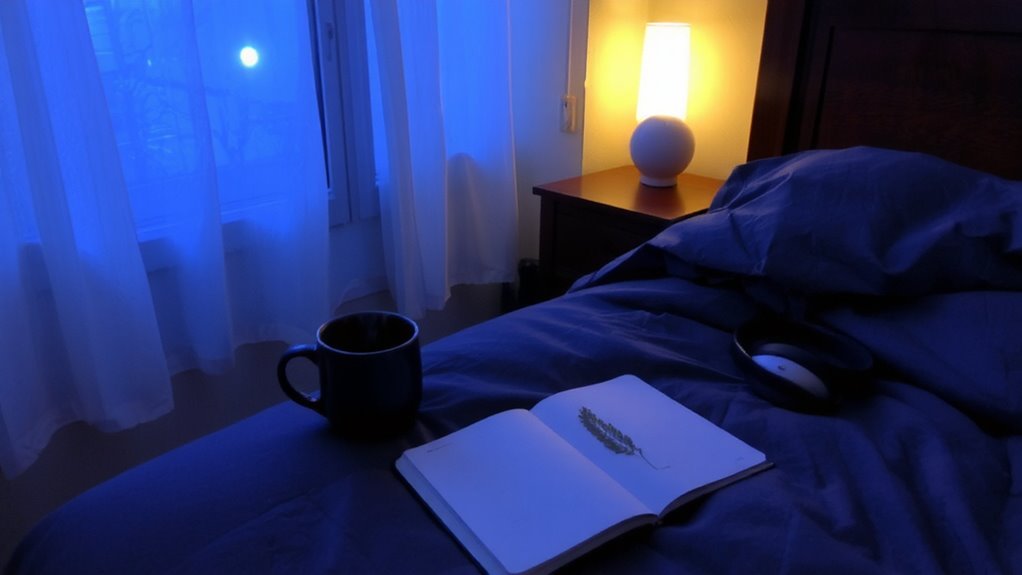
Most of the time, combining skullcap with steady sleep habits makes it more effective and safer, especially when tinnitus keeps your mind active at night. You can support rest by improving your sleep environment-keep the room cool, dark, and quiet, and consider using white noise to mask ringing sounds. Adding relaxation techniques like deep breathing, progressive muscle relaxation, or gentle stretching before bed may help quiet mental chatter. These practices work well with skullcap, since they target both physical tension and nervous system activation. Think of skullcap as one part of your routine, not a standalone fix. Using it consistently alongside good sleep hygiene increases the chance of better rest. There’s no immediate guarantee, but many find this combo supports longer, deeper sleep over time. Always watch how your body responds, and adjust as needed. A supportive sleep surface can also play a role in reducing discomfort, especially for those with coexisting conditions like arthritis, so consider a mattress that offers both comfort and spinal alignment, such as one of the top best mattresses for arthritis relief.
How Quickly Skullcap Helps Tinnitus Interrupted Sleep
While you might not feel changes right away, skullcap can start supporting more restful sleep within a few days to a couple of weeks when used consistently. The onset time varies based on your body chemistry and how severe your tinnitus-related sleep issues are. Some people notice subtle improvements in relaxation and sleep quality within three to five days, while others may need up to two weeks for clearer symptom relief. Taking skullcap at the same time each evening helps regulate its effectiveness. You’ll likely see better results when combining it with good sleep hygiene-like reducing screen time before bed or keeping a consistent bedtime. Keep a simple sleep log to track changes, so you can decide if skullcap is helping or if another option might work better for your needs.
On a final note
You can try skullcap nightly to ease tinnitus-related sleep issues, as it may calm overactive nerves. Choose tea, tincture, or capsule based on how quickly you want results and your daily routine. Pair it with consistent sleep habits for best outcomes. Effects may take a few nights to notice, and results vary. Always check with your doctor first, especially if you take other medications. It’s a gentle option worth considering alongside proven sleep strategies.