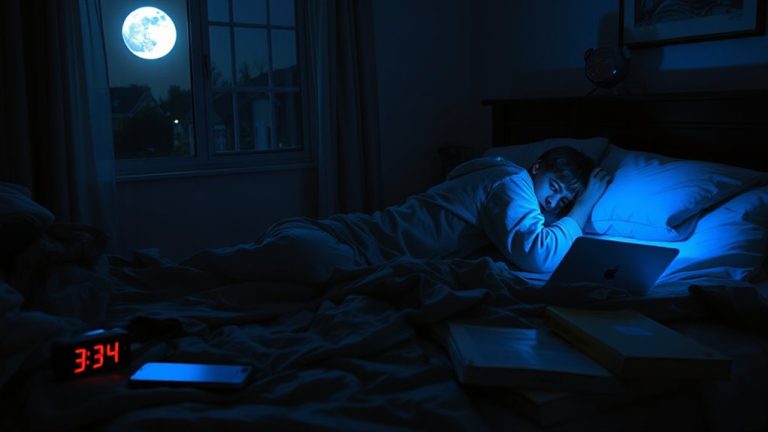
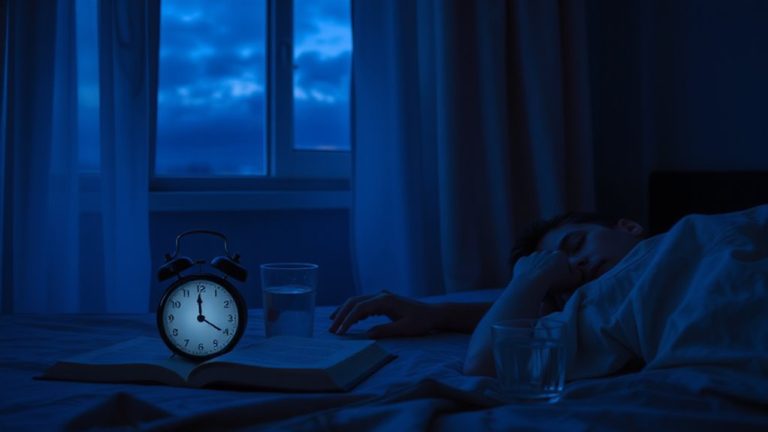
Why Delayed Sleep Phase Disorder Is More Than Just “Staying Up Late”
You can’t just choose to fall asleep earlier with delayed sleep phase disorder-your internal clock is wired to sleep much later, making early bedtimes ineffective. It’s not laziness or poor habits; your body resists sleep long before your natural onset time. Sleep quality is normal when aligned with your rhythm, but social schedules cause fatigue. Treatments like timed light therapy and melatonin can shift your cycle, especially when applied consistently over weeks. Sticking to a stable wake time helps reset your clock more reliably. You’ll see how small, daily adjustments make lasting changes with time.
Notable Insights
- DSPD is a circadian rhythm disorder, not a choice to stay up late, caused by a biologically delayed sleep-wake cycle.
- Individuals with DSPD cannot fall asleep earlier despite effort, due to a misaligned internal body clock.
- Sleep quality is normal when following their natural delayed schedule, unlike typical insomnia.
- Chronic fatigue stems from forced early wake times conflicting with their biological rhythm.
- Mislabeling DSPD as laziness leads to stigma, misunderstanding, and delayed access to effective treatments.
What Is Delayed Sleep Phase Disorder?
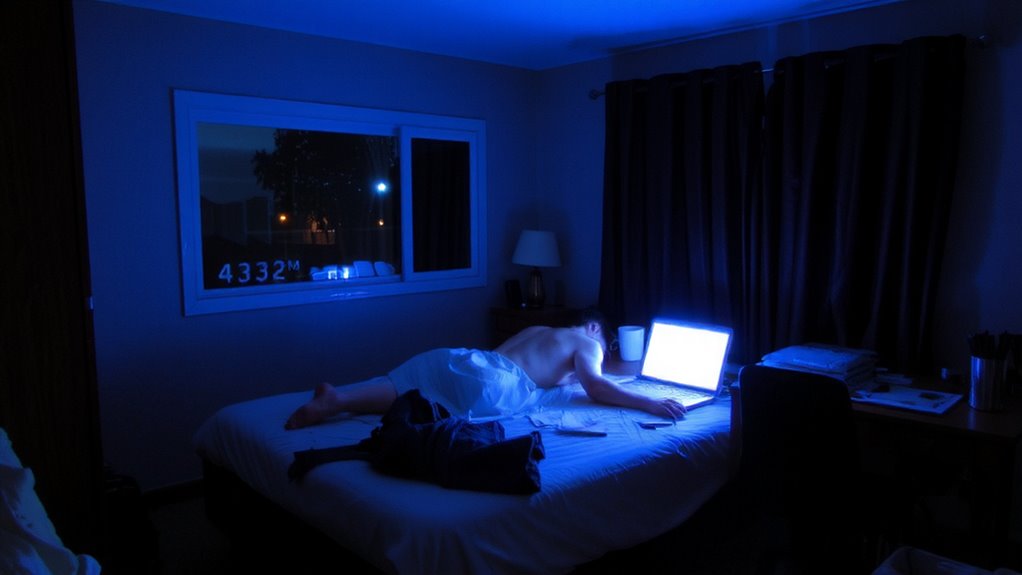
While your body typically follows a 24-hour sleep-wake cycle, delayed sleep phase disorder (DSPD) shifts that rhythm later, making it hard to fall asleep and wake up at conventional times. Your circadian rhythm is biologically delayed, so your natural sleep onset often occurs much later at night-sometimes past midnight or even in the early morning hours. This isn’t about poor habits or choice; it’s a real shift in timing governed by internal body clocks. Even when you try to sleep earlier, your body resists because it’s not yet primed for rest. During weekends or free days, you might sleep better when following your natural rhythm. Diagnosis usually involves tracking sleep logs or using actigraphy. Treatments like light therapy, melatonin, or behavioral adjustments can help realign your circadian rhythm, but consistency matters most. Always consult a professional before starting any sleep aid or therapy.
DSPD vs. Insomnia: Why It’s Not Laziness
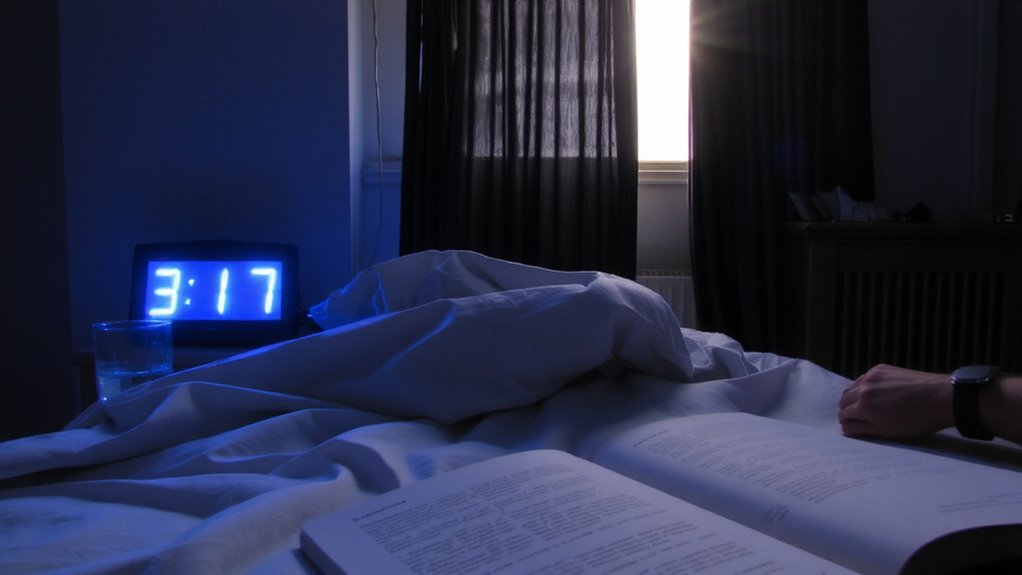
How do you know if you’re dealing with delayed sleep phase disorder or just struggling to fall asleep? DSPD isn’t about choice-it’s a real circadian rhythm shift that makes you fall asleep hours later than typical, even when you’re tired. Unlike insomnia, where sleep onset is hard regardless of time, DSPD lets you sleep well-if you follow your delayed schedule. You might still face chronic fatigue if forced into early routines. People often mistake DSPD for laziness, fueling social stigma and misunderstanding. This confusion can delay proper care or support. Recognizing the biological basis helps guide decisions about sleep aids or light therapy. Treatments like melatonin or timed light exposure work better when tailored to circadian timing. A sleep specialist can clarify diagnosis and help weigh options, including lifestyle adjustments or clinical solutions backed by trial evidence.
How DSPD Affects School, Work, and Mood

If your body consistently resists falling asleep until late at night-say, 2 a.m. or later-and you struggle to wake up for school or work, you’re likely feeling the daily impact of delayed sleep phase disorder. You’re not lazy-your internal clock runs on a different schedule, making mornings exhausting and evenings alert. Chronic fatigue sets in when you’re forced into early routines, reducing focus and performance. School deadlines and work meetings feel overwhelming, and repeated absences or tardiness can affect your progress or job standing. The mismatch between your natural rhythm and social demands often leads to social isolation, as gatherings happen when you’re asleep or too worn out to attend. Mood shifts, like irritability or low motivation, become common. These challenges aren’t just inconvenient-they shape your daily choices, from skipping events to avoiding responsibilities. Recognizing how DSPD affects your life helps you make informed decisions about sleep patterns and support options.
Treating DSPD: Light, Melatonin, and Timing
What if your body could reset its internal clock with the right mix of light, timing, and support? You can ease circadian misalignment with morning bright light therapy, which signals your brain to wake earlier. Use a lightbox at 10,000 lux for 30 minutes right after waking. Melatonin supplements, taken 5–7 hours before your current sleep onset, help shift your schedule earlier when used consistently. Timing matters-take it too early or too late and it may not work. Chronotherapy applications, like gradual bedtime advances, slowly shift your sleep window to align with daily demands. These methods require patience and routine. Results vary, but many see improvement in 1–2 weeks. Always consult a doctor before starting melatonin or light therapy, especially if you have other conditions or take medications. It’s not a quick fix, but a structured approach to realign your rhythm. Using best light bulbs for health can support this process by maintaining circadian-friendly lighting throughout the day.
Daily Strategies for Managing DSPD
Sticking with a consistent routine every day can make a real difference when you’re working to manage delayed sleep phase disorder, especially after setting up treatments like light therapy or melatonin. Routine consistency helps reset your internal clock over time, making it easier to fall asleep and wake up at desired times. Pair this with solid sleep hygiene-keep screens dim at night, avoid caffeine in the afternoon, and create a calm bedtime ritual. Even on weekends, try to wake up within the same one- to two-hour window each day. Your body thrives on predictability. Small, daily choices add up, supporting the treatments you’ve started. Think of sleep hygiene and routine consistency as the foundation, not the fix. They won’t replace medical strategies but can improve their effects when applied steadily.
On a final note
You’re not lazy-you may have DSPD, a real circadian rhythm disorder. It shifts your sleep time later, making early schedules hard. Unlike insomnia, you sleep fine, just at different hours. Light therapy, timed melatonin, and consistent routines can help reset your clock. Consider a sleep specialist for diagnosis. Treatments vary, so trial periods matter. Check warranty details if buying devices. Small, steady changes support better timing-and clearer decisions about your sleep health.