Why Cotton Twill Weave Is Gaining Popularity in Durable Bedding
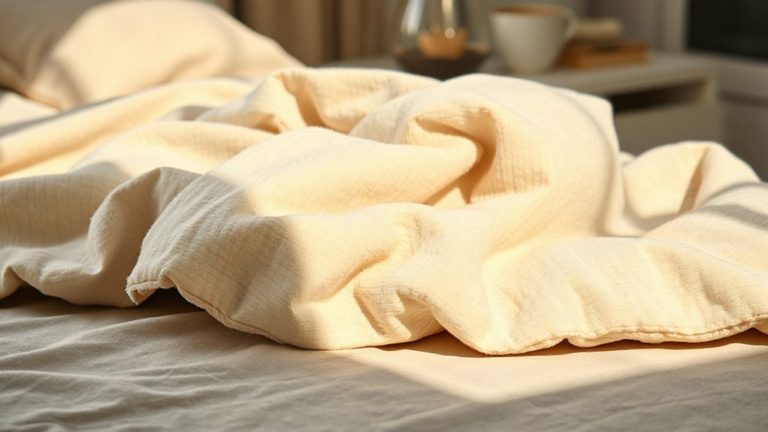
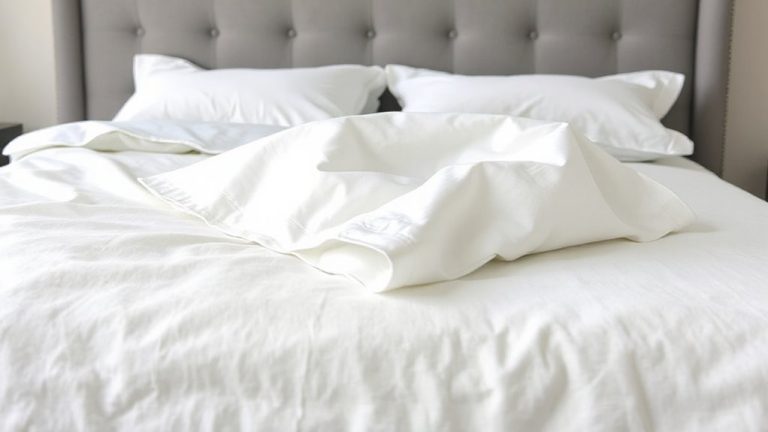
You’re choosing cotton twill for its tight diagonal weave that resists fraying and stands up to nightly use without losing shape. It feels smoother and denser than plain weaves, even at the same thread count, offering durability without sacrificing softness. The structure allows airflow, so you stay cool while getting a substantial, quiet drape. Unlike sateen, it won’t trap heat, and it’s less crisp than percale. You’ll find it holds up better over time with less pilling. If you’re comparing long-term value, there’s more to evaluate about how it performs wash after wash.
Notable Insights
- Cotton twill’s diagonal weave creates a tight, durable fabric that resists tearing and fraying over time.
- The interlocked structure distributes stress evenly, enhancing longevity even with nightly use and frequent washing.
- Twill’s denser feel offers a smooth, substantial drape preferred over lightweight, crinkly bedding fabrics.
- It combines breathability with temperature regulation, preventing overheating while maintaining softness.
- Twill retains softness and shape after repeated washes, providing lasting comfort and value.
What Makes Cotton Twill Different From Other Weaves?
While many cotton weaves focus on simplicity and breathability, cotton twill stands out due to its distinctive diagonal rib pattern, which comes from a specific threading method where the weft passes over one or more warp threads in a staggered sequence. This loom technique creates a tighter, stronger fabric than plain weaves, often feeling smoother and slightly heavier. You’ll notice the weave affects thread count too-twill’s diagonal structure means the same thread count can feel denser and more durable. Because of this, sheets breathe moderately well while offering a softer, more substantial feel against your skin. That balance may help if you’re sensitive to textures that irritate sleep. Many brands offer trial periods, so you can test how the fabric impacts your comfort. Look for options with clear care instructions and warranties that cover pilling or seam wear.
Why Cotton Twill Sheets Resist Wear So Well
Because the weft thread passes over and under multiple warp threads in a staggered, diagonal pattern, cotton twill sheets end up with a tighter, more interlocked structure that resists tearing and fraying over time. You’ll notice this weave resilience when the sheets go through frequent washing or nightly use-edges stay intact, fabric maintains shape. The diagonal creates extra fiber density, meaning there are more threads packed into each square inch, which helps distribute stress across the surface. This means fewer weak spots and less pilling. If you toss or shift a lot at night, these sheets handle motion better, maintaining durability longer than plain weaves. With proper care, they offer long-term performance, making them a smart trial for those needing reliable bedding. Check warranty details, as many brands back twill for years, recognizing its lasting build.
How Cotton Twill Balances Softness and Airflow?
Though it’s tightly woven, cotton twill still lets air move through, so you don’t end up overheating at night. You’ll notice it feels soft right away, thanks to the diagonal weave that adds suppleness without sacrificing strength. Even with a moderate thread count, twill maintains breathability, allowing heat to escape more easily than denser weaves. This helps limit moisture retention, so your sheets stay drier and more comfortable, especially if you tend to sleep warm. The fabric’s structure supports airflow while still feeling smooth against your skin, striking a balance between coziness and temperature control. If you deal with night sweats or mild sleep disruptions linked to heat, cotton twill’s mix of softness and ventilation might help. Its performance holds up over time, and many brands offer trial periods, so you can test how it affects your sleep without risk.
How Twill Compares to Sateen and Percale Sheets?
Many cotton sheet options exist, but twill, sateen, and percale stand out for their distinct weaves and performance. You’ll notice twill’s weave pattern creates a diagonal rib, giving it durability and a subtle texture, while sateen uses a tighter weave for a smooth, silky feel that resists wrinkles. Percale, with its simple over-under weave, feels crisp and lightweight. Thread count matters, but the weave pattern often influences breathability and softness more. Sateen sheets often feel softer at lower thread counts, but can trap heat. Percale breathes well, ideal if you tend to sleep hot. Twill strikes a balance-smooth like sateen, yet more breathable like percale. Each weave supports different sleep preferences, so consider your comfort needs and sleep environment when choosing. Most brands offer trial periods, letting you test feel and performance firsthand.
What Makes a Cotton Twill Sheet Worth Buying?
Something about cotton twill sheets makes them a smart pick for sleepers who want durability without giving up comfort. You’ll notice the soft, smooth surface right away-it gives that luxury feel you’d expect from higher-end bedding, but with stronger fibers woven tightly in a diagonal pattern. That weave doesn’t just add strength; it resists pulls and wear over time, which means you’re getting real long term value. Unlike looser weaves, twill holds up well to frequent washing, keeping its shape and softness after many cycles. These sheets often start slightly heavier, offering a substantial drape that feels grounded and soothing-helpful if you’re sensitive to lightweight, crinkly fabrics. While not as glossy as sateen, twill offers more resilience, making it a balanced choice. If you want something reliable and quietly refined, cotton twill is a practical upgrade worth trying. For those seeking the pinnacle of comfort and longevity, best cotton and linen sheets combine natural breathability with exceptional durability.
How to Keep Cotton Twill Sheets Looking New?
You’ve chosen cotton twill sheets for their durability and smooth feel, and now keeping them looking fresh depends on how you care for them over time. To prevent fabric pilling and color fading, wash them in cold water on a gentle cycle. Avoid bleach and harsh detergents, which weaken fibers and dull colors. Always turn sheets inside out before washing to protect the surface.
| Wash Temp | Detergent Type | Dry Method |
|---|---|---|
| Cold | Mild | Low heat |
| Warm (occasional) | Non-bleach | Tumble dry or line dry |
| Never hot | Scent-free (sensitive skin) | Remove promptly to reduce wrinkles |
Dry on low heat or air-dry to preserve the weave. Remove promptly to reduce wrinkles. With proper care, your cotton twill sheets stay smooth, strong, and true to color through many uses.
On a final note
You’ll find cotton twill offers lasting comfort, thanks to its strong diagonal weave that resists pilling and abrasion over time. It balances softness with breathability, making it suitable for warm and cool sleepers alike. Compared to sateen or percale, twill provides more durability without sacrificing comfort. With proper care, it retains color and texture through many washes. Many brands offer trial periods or warranties, so you can test its fit for your sleep routine confidently.