Skullcap for ADHD Restlessness: Dosage & Timing Guide
You can use skullcap to ease ADHD-related restlessness by taking a 1–2 mL tincture dose 30–45 minutes before bed, or starting with 500 mg of capsules an hour earlier. Its calming effect on overactive neural pathways builds with consistent use, typically noticeable within one to two weeks. Opt for standardized extracts for reliable potency, or try a strong infusion if you prefer tea. Pair it with low-light evenings and a set bedtime routine for better results-your next steps could make a real difference.
Notable Insights
- Skullcap calms ADHD-related nighttime restlessness by supporting GABA pathways to reduce overactive neural signals.
- Use skullcap extract 30–45 minutes before bed for fastest results, starting with 1–2 mL of tincture.
- Consistent nightly use for 1–2 weeks builds noticeable calming effects on racing thoughts and mental loops.
- Opt for standardized extracts or tinctures over tea for reliable potency and stronger impact on hyperarousal.
- Combine skullcap with magnesium, low lights, and screen avoidance to enhance sleep-supportive routines.
Why ADHD Makes Sleep So Hard at Night

Ever wonder why your mind races at night even when your body is worn out? With ADHD, your brain chemistry affects how signals for sleep and alertness are balanced, making it harder to wind down. Your brain may stay in high gear, replaying the day or jumping ahead to tomorrow. This isn’t just stress-it’s how ADHD reshapes sensory processing. Small sounds, lights, or even textures can feel more intense at night when distractions fade. That overactive awareness keeps your nervous system alert when it should be relaxing. These traits aren’t flaws, but they do impact sleep quality. Recognizing them helps you choose better strategies-like adjusting your environment, routine, or exploring supports that align with your needs. Understanding brain chemistry and sensory processing lets you test solutions with clearer expectations, making it easier to find what works for your sleep without guesswork.
How Skullcap Soothes an Overactive ADHD Brain
Your brain stays active long after the day ends, and that constant mental motion can make sleep feel out of reach. Skullcap helps by supporting healthier brain chemistry, gently influencing neurotransmitters linked to relaxation. You’re not shutting your mind down-it’s more like turning down the volume on racing thoughts. This herb promotes neural calming, which may reduce the mental loops and hyperarousal common in ADHD. Research suggests skullcap interacts with GABA pathways, helping quiet overactive neural signals without heavy sedation. It doesn’t work overnight, but with consistent use, many notice smoother shifts into rest. You’ll want to track your responses over a week or two, noting changes in sleep onset and quality. Results vary, so consider it one tool among others. It’s not a fix, but a possible support within a broader plan for managing nighttime restlessness.
Choose the Best Skullcap Form for Sleep
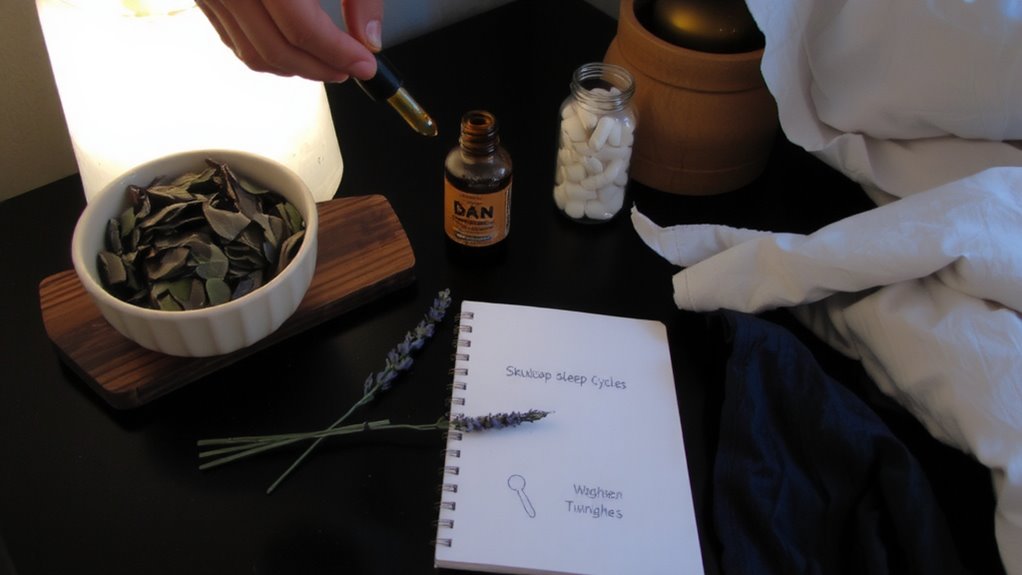
How do you find the right form of skullcap when sleep hangs in the balance? You’ve got options, and each works differently. Skullcap extract is concentrated, often in liquid form, making it fast-acting-ideal when restlessness hits hard. It’s usually standardized, so potency is consistent, and a dropper lets you control dosage precisely. If you prefer something milder, a skullcap infusion-basically a strong tea-offers a gentler effect. You steep the dried herb in hot water for 10 to 15 minutes, which slowly releases calming compounds. Infusions are easy to prepare but may vary in strength depending on brewing time and herb quality. Extracts tend to be more reliable for nighttime use, especially if you need quicker results. Try both, track how you feel, and see which one supports your sleep pattern best. There’s no one-size-fits-all, but careful testing helps you decide.
When to Take Skullcap for Stronger Results
While timing won’t change the strength of the skullcap itself, taking it at the right moment can make its calming effects more noticeable when you need them most. For stronger results, consider the best time based on your routine and how your body responds. Below are dosage tips and timing options to help guide your choice:
| Form | Best Time to Take | Dosage Tips |
|---|---|---|
| Tincture | 30–45 mins before bed | 1–2 mL with water |
| Capsules | 60 mins before sleep | Start with 500 mg |
| Tea | 20–30 mins before rest | Steep 1–2 tsp in hot water |
| Extract | 30 mins before night | Follow label instructions |
Adjust gradually and track effects for a week to find what works. Consistency matters more than precision at first.
Pair Skullcap With Proven ADHD Sleep Tips
Taking skullcap at the right time can help prepare your body for rest, but pairing it with other proven ADHD sleep strategies often makes a bigger difference. Creating a consistent bedtime routine, reducing screen time, and managing environmental light support deeper sleep. When combined, skullcap synergy enhances these effects, helping quiet mental chatter common with ADHD. Consider herbal pairing with magnesium or passionflower, as these often complement skullcap’s calming properties. Avoid caffeine late in the day, and try light stretching or mindfulness to ease into sleep mode. You’re not just relying on a supplement-you’re building a system that works together. Small, consistent changes, paired with thoughtful herbal pairing, improve sleep onset and quality. Tracking your routine for a few weeks can show what’s working. This approach supports better rest without overdependence on any single method, giving you clearer insight into your sleep patterns and needs.
Is Skullcap Safe for Regular Use?
Generally, skullcap is considered safe for most people when used regularly in recommended amounts. You can take it nightly, but you should stick to the suggested daily dosage on the label or from your healthcare provider. While short-term use shows few side effects, there’s limited research on long term safety, so ongoing use should be monitored. Some people report mild drowsiness or digestive upset, which usually fades as your body adjusts. It’s important to choose a high-quality supplement from a trusted source to avoid contaminants. You shouldn’t combine skullcap with sedatives or medications without talking to your doctor first. If you have liver concerns, proceed with caution-rare cases of toxicity have been linked to misidentified herbs. Pay attention to how your body responds over time.
Add Skullcap to Your Nightly ADHD Routine
Why not try adding skullcap to your nightly routine if ADHD-related restlessness keeps you from winding down? Many find skullcap benefits include easier relaxation and improved sleep onset. The herb supports nighttime calm, helping quiet a busy mind without heavy sedation. You can take it as a tea, tincture, or capsule about 30 to 60 minutes before bed. Start with a low dose to assess tolerance, especially if combining with other sleep aids or medications. While not a cure, skullcap may help ease the mental chatter and physical tension common with ADHD. Consistency matters-use it nightly for several weeks to gauge effects. It’s non-habit forming, but quality varies, so choose standardized extracts from reputable brands. Results differ, so track your sleep patterns and adjust as needed. Always consult your doctor, particularly for long-term use. For a more potent option, consider combining it with other herbs found in top-rated best sleep tinctures.
On a final note
You can try skullcap as a natural option to ease nighttime restlessness with ADHD. Taken in tea, tincture, or capsule form about 30 to 60 minutes before bed, it may support relaxation. Pair it with consistent sleep habits for better results. While generally safe short-term, talk to your doctor before using it regularly, especially with other medications. Results vary, so a trial period helps gauge effectiveness.