Innerspring Mattress Firmness and Hip Pain: Finding the Right Match
Your innerspring mattress may be causing hip pain if it doesn’t match your sleep position and body weight. Side sleepers usually do better with medium to medium-soft firmness so hips can sink slightly, keeping your spine aligned. Back and stomach sleepers often need firmer support to avoid sinking too much. If you’re over 230 pounds, a medium-firm to firm feel helps prevent sagging, while lighter individuals might find those too stiff. Poor alignment, worn coils, or excessive sinkage can all add pressure to your hips. Mattresses with individually wrapped coils offer better contouring and reduce motion transfer. Spending time testing firmness in your usual sleep position helps you feel how well your hips are supported. Many brands offer 90- to 120-night trials, so you can check long-term comfort and spinal alignment. A 2- to 3-inch memory foam or latex topper can soften a mattress that’s too firm without replacing it. Proper edge support and durable coil systems improve stability, especially if you move a lot. Choosing the right firmness means balancing support and cushioning based on your body and sleep style. Learning how your mattress structure affects pressure points could make a real difference in easing discomfort.
Notable Insights
- Side sleepers should choose medium to medium-soft innerspring mattresses for proper hip alignment and pressure relief.
- Back and stomach sleepers need medium-firm to firm support to prevent hip sinkage and maintain spinal alignment.
- Heavier individuals over 230 lbs benefit from firmer coils to avoid excessive sagging and uneven pressure distribution.
- Hip pain may worsen if the mattress is too soft, too firm, or has worn coils causing poor spinal alignment.
- Test innerspring mattresses in your preferred sleep position and consider a 2–3 inch topper for added comfort.
Which Firmness Is Right for Your Sleep Position?
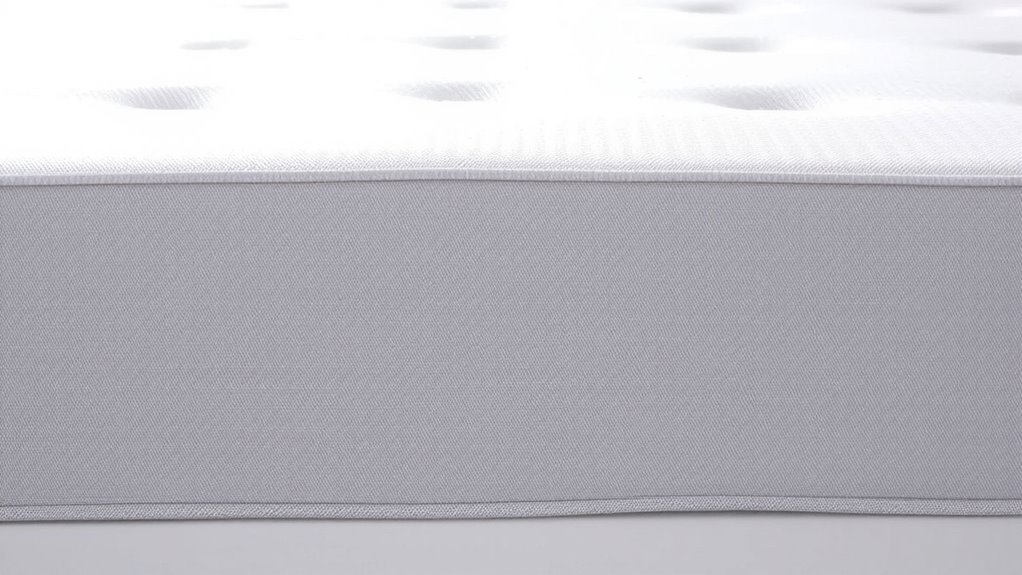
While your preferred sleep position plays a big role in how your body handles pressure, choosing the right firmness in an innerspring mattress can make a noticeable difference-especially if you’re dealing with hip pain. If you’re a side sleeper, medium to medium-soft firmness often supports better side sleeping alignment by letting your hips sink slightly, keeping your spine neutral. This level also improves pressure point balance, reducing strain on your hips and shoulders. Back and stomach sleepers usually do better with a firmer feel to prevent the hips from sinking too deep, which can misalign the spine. Innerspring mattresses with individually wrapped coils help isolate movement and adapt to body contours, enhancing support. Look for models with a solid warranty and sleep trial-this lets you test firmness risk-free. Trial periods often last 90 to 120 nights, giving you time to assess how well the mattress maintains both support and comfort.
Firmness by Weight and Body Type
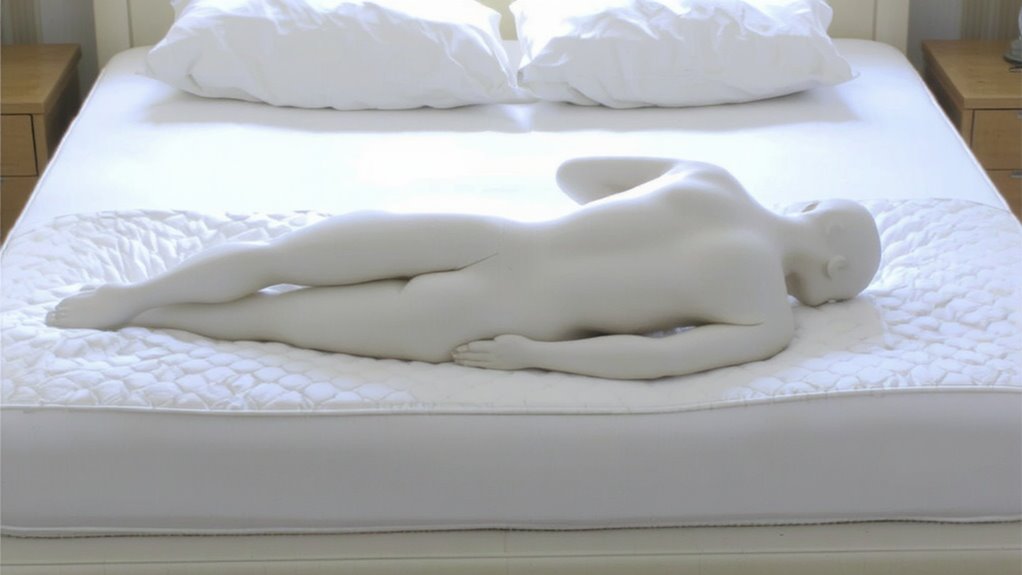
If you’re heavier or carry weight in your hips and shoulders, a firmer innerspring mattress usually gives better support by preventing excessive sinkage that can throw off spinal alignment. Proper body type compatibility means your mattress supports your frame without straining joints. Firmer coils resist deep compression, helping maintain even pressure distribution across your torso and limbs. If you weigh over 230 pounds, a medium-firm to firm innerspring often works best, balancing contouring and support. Lighter sleepers, under 130 pounds, may find those same models too rigid, leading to poor pressure distribution and discomfort. Your body type directly influences how well a mattress cradles pressure points while keeping your spine neutral. Look for models with reinforced edge support and pocketed coils for targeted responsiveness. Check trial periods and warranties to test long-term comfort. Prioritize construction that matches your weight and sleep posture for lasting alignment and rest.
Why Your Mattress Might Be Causing Hip Pain
Could your innerspring mattress be the reason you wake up with hip pain? It’s possible. If your mattress doesn’t support proper spinal alignment, your hips may sink too deeply or stay elevated, straining muscles and joints. Innerspring models vary in coil design and padding, and some create pressure points that concentrate weight unevenly, especially at the hips. Over time, this can lead to discomfort or worsen existing pain. A mattress that’s too firm won’t contour to your body, increasing pressure on hips, while one that’s too soft may let your hips sink out of alignment. Your sleeping position and body weight affect how these factors play out. Look for models with balanced support and sufficient cushioning to reduce pressure points. Check trial periods and warranties to test comfort risk-free. Making an informed choice helps you protect sleep quality and long-term joint health. For those seeking targeted relief, consider that the best mattresses for back pain relief often incorporate features that also benefit hip alignment, such as zoned support systems.
Signs Your Innerspring Mattress Is Worsening Hip Pain
| Sign | What It Means |
|---|---|
| Visible sagging | Core support has weakened, reducing spinal alignment |
| Morning stiffness | Your hips aren’t properly cushioned overnight |
| Uneven feel | Springs have worn unevenly, creating pressure points |
| Rolling toward center | Sagging pulls your body out of neutral sleeping position |
These signs suggest it’s time to assess your mattress’s support. Proper alignment reduces strain, helping you move easily when you rise. Incorporating a pillow designed for hip pain relief can also improve sleep comfort by maintaining proper spinal alignment.
How to Try a Mattress for Hip Pain Relief
You’ve likely noticed the signs your current mattress isn’t supporting your hips properly, but now it’s time to take action by testing new options that might make mornings easier. When trying a mattress, spend at least 10–15 minutes lying on it in your usual sleep position to perform proper pressure testing. This helps you feel how evenly your weight is distributed and whether your hips sink too much or stay too elevated. Pay close attention during comfort evaluation, noting any pressure points along your hips and shoulders. A well-balanced innerspring should support spinal alignment while allowing slight contouring. Many brands offer sleep trials-usually 90 to 120 days-so you can assess long-term comfort. Check warranty details too, since some cover sagging or coil damage. These trial periods reduce risk, letting you judge real-world performance before fully committing. Top-rated options often come with best mattress trials that include free returns and extended testing periods.
Using a Topper to Make Your Innerspring Mattress Softer
A well-chosen mattress topper can make a noticeable difference if your innerspring feels too firm or no longer cushions your hips properly. You have several mattress topper materials and topper thickness options to evaluate, each affecting comfort and support differently. Adding a topper is a cost-effective way to adjust feel without replacing the entire mattress.
| Material | Thickness | Best For |
|---|---|---|
| Memory foam | 2–3 inches | Pressure relief, contouring |
| Latex | 2–3 inches | Durability, responsive support |
| Down alternative | 1–2 inches | Softness, breathability |
| Wool | 1–2 inches | Temperature regulation |
| Gel-infused foam | 2–3 inches | Cooling, pressure relief |
Choose based on your sleep position and sensitivity. Most toppers work well with innerspring coils and can extend your mattress’s usability. Check trial periods and warranties before buying.
Best Innerspring Firmness for Hip Pain Relief
Finding the right firmness in an innerspring mattress can make a meaningful difference when managing hip pain, especially if softer setups or temporary fixes like toppers haven’t provided lasting relief. A medium-firm option often delivers the best balance, supporting proper mattress alignment while improving pressure distribution around your hips. If the bed’s too soft, your hips sink too deeply, straining your spine; too firm, and pressure builds where you sleep on your side. Innerspring models with pocketed coils respond better to body contours, reducing motion transfer and enhancing support exactly where you need it. Look for models with a breathable cover and responsive edge support-they help maintain consistent alignment night after night. Most reputable brands offer sleep trials and warranties, so you can test firmness risk-free. Choosing wisely means matching coil count, comfort layers, and your sleep position to get relief that lasts.
On a final note
You might feel hip pain if your innerspring mattress is too firm or too soft. A medium-firm option often supports spinal alignment, especially if you sleep on your side. Your weight and sleep position affect how the mattress feels, so consider both. If your current bed causes discomfort, a cushioned topper could help. Look for models with good edge support and a generous trial period. Test options carefully, and check warranty terms before deciding.