How Sleep Cycle Disruption Worsens Chronic Pain Conditions
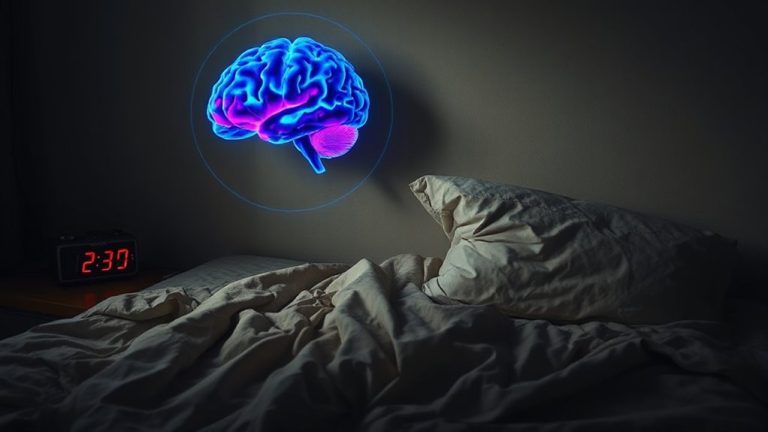
When you don’t get enough deep or REM sleep, your body struggles to repair tissues and regulate pain, making chronic pain feel worse. Poor sleep boosts inflammation and sharpens pain signals, while tossing and turning keeps you from restorative cycles. Mindfulness, sleep tracking, and consistent routines can help break the cycle. If sleep issues last more than a few weeks, evaluating underlying causes with a professional could lead to better, lasting relief.
Notable Insights
- Chronic pain interrupts deep sleep stages, impairing the body’s natural healing and pain modulation processes.
- Poor sleep increases pro-inflammatory cytokines, worsening inflammation and amplifying pain sensitivity.
- Sleep disruption lowers pain thresholds, making chronic discomfort feel more intense over time.
- Loss of REM and deep sleep hinders neural repair and communication in pain-regulating brain regions.
- Persistent sleep-pain cycles create emotional distress and cognitive fatigue, further exacerbating pain perception.
Why Chronic Pain and Poor Sleep Feed Each Other
While your body tries to heal during sleep, chronic pain can interrupt that process, making rest harder and recovery slower. You might toss and turn, unable to reach deep, restorative stages, which worsens both physical discomfort and emotional distress. This creates a loop: poor sleep lowers your pain threshold, while ongoing pain keeps you from sleeping well. Over time, you’re likely to experience cognitive fatigue, making it harder to focus, remember things, or make decisions. You may notice mood shifts or reduced patience during the day. Though no single solution works for everyone, options like CBT-I, white noise machines, or FDA-cleared sleep trackers can offer insight and support. Look for products with free trials and strong return policies so you can test them safely. Prioritize features that match your specific needs. Choosing the right mattress can also make a significant difference, with certain models specifically designed for best beds for back and hip pain.
How Lack of Sleep Increases Inflammation and Pain Sensitivity
Sleep doesn’t just recharge your energy-it plays a direct role in how your body manages pain and inflammation. When your sleep quality drops, your immune response goes off balance, releasing more pro-inflammatory cytokines. These chemicals make your nervous system more sensitive, turning ordinary sensations into pain. Poor sleep also lowers your pain threshold, so everyday discomfort feels worse. Over time, this cycle amplifies chronic pain conditions. You don’t just feel tired-you feel sore, stiff, and raw. Even occasional sleep loss can spike inflammation, especially if it’s repeated. That’s why addressing sleep disorders early matters. Treatments like CBT-I or FDA-approved sleep aids may help, depending on your needs. Devices with proven track records often include clear instructions, trial periods, and solid warranties. Look for options backed by clinical data. Improving sleep isn’t just about rest-it’s about reducing inflammation and calming pain sensitivity.
How Deep and REM Sleep Reduce Pain Naturally
Because your body repairs itself during deep and REM sleep, these stages play a key role in lowering pain naturally. You experience pain modulation as your brain regulates pain signals more effectively, reducing how intense discomfort feels. During deep sleep, slow brain waves support neural repair, helping damaged tissues and stressed nerves recover. REM sleep boosts this process by improving communication between brain regions involved in sensing pain. These stages work together to reset your pain threshold, so you wake feeling less sensitive. If you’re missing either phase, your body has a harder time managing chronic pain. Tracking sleep cycles with wearable devices can reveal gaps, while polysomnography in clinics confirms sleep architecture issues. Some find relief using sleep aids that extend deep sleep, though effects vary. Prioritizing consistent bedtime routines often supports these restorative stages more safely than medication. For accurate monitoring, consider using the best sleep-tracking smartwatches to gain insights into your sleep quality.
Proven Ways to Break the Pain-Sleep Cycle
What if you could regain control over your sleep instead of letting pain dictate your nights? You can start by using mindfulness meditation each evening-it helps quiet your mind and reduces how intensely you feel pain. Just 10 to 15 minutes a day lowers stress hormones and calms your nervous system. Try guided apps with proven track records and a free trial to test comfort. Also, begin pain journaling: write down when pain flares, its intensity, and what you were doing. Patterns often appear within two weeks. Use a notebook or digital log with password protection for privacy. Both mindfulness meditation and pain journaling are low-cost, evidence-backed tools you can test safely at home. They don’t replace medical care but support better sleep decisions by showing what worsens or eases your pain.
When to Talk to a Doctor About Pain and Sleep Problems
How long should you wait before seeking help if pain keeps pulling you awake night after night? If sleep troubles and discomfort last more than a few weeks, it’s time to contemplate a medical evaluation. You’re not just dealing with tiredness-ongoing sleep disruption can deepen pain sensitivity, making recovery harder. Don’t wait until your daily function suffers. A professional consultation helps identify whether your issues stem from a sleep disorder, chronic pain condition, or both. Doctors might recommend sleep studies, physical exams, or pain tracking to clarify the root cause. Treatments vary, from adjusted sleep habits to targeted therapies. Some find relief with regulated sleep aids, but these work best under supervision. Early input improves outcomes, so speak up when rest feels out of reach. Your long-term well-being may depend on timely care.
On a final note
You can manage chronic pain and sleep disruption by understanding their connection. Poor sleep raises inflammation and pain sensitivity, while deep and REM sleep help reduce pain naturally. Simple changes-consistent bedtimes, limiting screens, and avoiding caffeine-may improve rest. Over-the-counter aids or prescription options exist, but talk to your doctor to weigh benefits, side effects, and long-term use. A sleep study might reveal treatable disorders. Start with small, evidence-based steps and track progress to find what works for you.