The Role of Interoceptive Exposure in CBT-I for Sleep-Onset Anxiety
You feel wired at bedtime, but interoceptive exposure in CBT-I helps you safely face those physical signs of anxiety-like a racing heart or quick breath-while awake and calm. By practicing these sensations on purpose, you learn they aren’t dangerous, which reduces fear when they show up at night. This builds tolerance and breaks the cycle of staying awake from bodily alarm. Over time, your body stops resisting sleep cues. You start unwinding more naturally when it’s time to rest, and deeper shifts in how you respond to anxiety begin to take hold.
Notable Insights
- Interoceptive exposure reduces fear of anxiety-related body sensations that interfere with falling asleep.
- It helps disconnect physical arousal from panic by proving these sensations are safe and temporary.
- When combined with CBT-I, it strengthens the brain’s relearning of bedtime as a safe, restful cue.
- Exercises like controlled breathing increase tolerance to symptoms like rapid heart rate or dizziness.
- Regular practice builds somatic awareness and resilience, reducing the urge to catastrophize bodily signals at night.
What Is Sleep-Onset Anxiety: and Why Can’t You Fall Asleep?
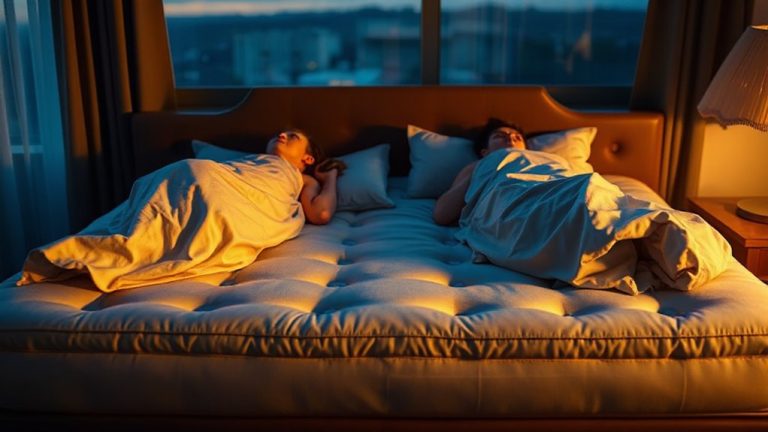
While you’re lying in bed, watching the clock tick closer to midnight, sleep-onset anxiety keeps you alert despite your exhaustion. It’s not just poor habits or a bad sleep environment-your body feels wired, tense, as if danger’s near, even when everything’s safe. Your mental chatter races: *Did I lock the door? What if I’m late tomorrow? Why can’t I sleep?* That loop fuels physical tension and alertness, blocking the natural drift into sleep. Unlike general insomnia, this anxiety ties your bed to worry, not rest. You might try sleep aids, but they rarely fix the root cause. A calm sleep environment helps, but it won’t quiet your mind alone. Understanding this pattern lets you choose next steps wisely-whether adjusting routines, tracking symptoms, or seeking treatments that address both thoughts and bodily sensations. Not all solutions work the same, so reviewing options with this clarity matters.
How CBT-I Stops the Cycle of Bedtime Anxiety
How do you break the pattern of lying awake, heart pounding, when your body won’t relax even though your mind knows it should? CBT-I helps you disrupt bedtime anxiety by reshaping how you respond to it. Instead of staying in bed tossing and turning, you get up and do something quiet until you feel sleepy, weakening the link between bed and stress. You’ll use consistent sleep hygiene-like keeping a regular sleep schedule and limiting screens-to build a stable routine. CBT-I also teaches relaxation techniques, such as deep breathing or progressive muscle relaxation, to calm your body’s tension. These methods give you tools to respond to anxiety with action, not avoidance. Over time, your brain begins to see bedtime as safe again. You regain control, not through willpower but through structured, repeatable steps that support lasting change.
What Is Interoceptive Exposure?
You’ve learned how changing your behavior at bedtime can reduce anxiety’s grip on your sleep, but sometimes the physical sensations of anxiety-racing heart, tight chest, dizziness-are what keep you from resting. Interoceptive exposure helps you build body awareness by safely practicing these sensations while awake. It works by exposing you to your own physiological cues-like rapid breathing or muscle tension-in a controlled way, so they feel less threatening. You might hyperventilate briefly or spin in a chair to experience dizziness, not to cause harm, but to learn these feelings aren’t dangerous. Over time, this reduces fear of bodily reactions, making them less likely to disrupt sleep onset. It’s built into CBT-I with clear instructions, often in sessions or guided exercises, and doesn’t require tools or sleep aids. Trials show it’s effective when paired with other CBT-I techniques, offering a reliable way to manage physical anxiety without medication.
How Facing Physical Anxiety Reduces Sleep-Onset Fear?
Why do certain physical sensations-like a racing pulse or shortness of breath-feel so alarming when you’re trying to fall asleep? Because your brain misreads them as threats, fueling sleep-onset fear. Interoceptive exposure helps you build physiological tolerance by safely re-creating these sensations, showing your body they’re not dangerous. Over time, this boosts somatic awareness-noticing symptoms without reacting-so you stay calmer at bedtime. You learn the difference between feeling anxious and actually being at risk. This doesn’t eliminate anxiety, but it reduces the fear loop that keeps you awake. With regular practice, your body stops resisting, and sleep comes easier. It’s not about fixing sensations quickly-it’s about changing your response. Think of it like training a muscle: consistency builds resilience. No devices or medications needed-just structured practice.
5 Interoceptive Exercises for Trouble Falling Asleep
When was the last time you lay in bed, heart pounding, breath shallow, convinced something was wrong-only to realize you were simply trying to fall asleep? That’s where interoceptive exercises come in. They help you recognize bodily sensations without reacting to them. Try body scanning: lie down, close your eyes, and slowly focus on each part of your body, from toes to head. Notice warmth, tension, or tingling without judgment. Then practice breath counting: inhale deeply through your nose, exhale slowly, counting each breath up to ten, restarting when distracted. These exercises train your brain to tolerate physical sensations linked to anxiety. You’re not fixing anything-you’re observing. Over time, they reduce the fear of falling asleep. They’re free, need no tools, and carry no side effects. Regular use builds familiarity, helping you stay calm when sleep resists coming.
How to Add These Exercises to Your Bedtime Routine
How do you begin weaving interoceptive exercises into your nightly wind-down without overhauling your entire routine? Start with bedtime integration by adding just one exercise-like slow breathing or body scanning-five to ten minutes before lights out. Pair it with an existing habit, such as turning off your phone or adjusting your pillow, to anchor the new behavior. This supports routine customization, letting you adjust timing and duration based on what feels manageable. You might begin with two nights per week, then expand as tolerance builds. Keep the process flexible; if an exercise increases alertness, try a milder version or shift it earlier in your routine. There’s no warranty these will work instantly-trial and adjustment are part of the process. Small, consistent changes often support better long-term outcomes than drastic overhauls, especially when addressing sleep-onset anxiety with evidence-based strategies.
On a final note
You now have tools to address sleep-onset anxiety with interoceptive exposure in CBT-I. These exercises help you respond calmly to physical anxiety, making bedtime less intimidating. They’re simple, evidence-based, and designed for regular use. Results often appear within weeks. If sleep problems continue, consider consulting a trained provider. Many health plans cover CBT-I, and some programs offer trial sessions or warranties on outcomes.