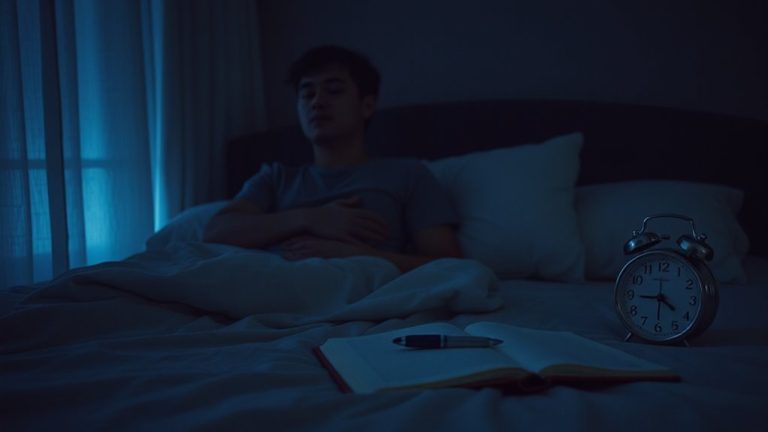
How Late-Night Alcohol Consumption Fragments Sleep Architecture
You might fall asleep faster after late-night drinks, but alcohol disrupts your sleep cycle by reducing REM and deep sleep. It fragments your rest, especially in the second half of the night, as your body processes the alcohol. This leads to frequent, unnoticed awakenings and poor recovery. Even if you sleep eight hours, the quality drops markedly. Stopping 4+ hours before bed helps protect your circadian rhythm-there’s more to how timing affects your rest than you might think.
Notable Insights
- Alcohol consumed at night disrupts sleep architecture by suppressing REM and deep sleep stages.
- It initially sedates but later fragments sleep as blood alcohol levels drop during the night.
- Late drinking delays REM onset and reduces total REM by 20–30%, impairing memory and cognition.
- Metabolizing alcohol triggers neural disruptions, causing frequent, often unremembered awakenings.
- Evening alcohol intake alters melatonin release, weakening circadian rhythm and sleep continuity.
How Alcohol Wrecks Your Sleep Cycle
Even if you fall asleep quickly after drinking, alcohol actually disrupts your sleep cycle in ways you might not notice until the next day. While it may speed up sleep onset, making you feel drowsy sooner, that effect masks deeper issues. Alcohol interferes with your natural circadian rhythm, leading to fragmented rest and frequent awakenings. You might not recall waking up, but your brain registers the disturbance. Over time, this circadian disruption reduces sleep quality, leaving you tired even after eight hours. If you’re tracking sleep patterns or managing a sleep disorder, relying on alcohol isn’t a safe long-term strategy. Sleep aids and behavioral changes often provide better results without dependency risks. Devices like sleep trackers can help you see how alcohol impacts your rest. Consider a trial of non-chemical approaches first-many come with warranties or money-back guarantees, offering low-risk ways to improve rest.
How Alcohol Destroys REM Sleep at Night
REM sleep, the stage tied to dreaming and memory processing, takes a major hit when you drink alcohol at night. Your brain chemistry shifts as alcohol suppresses REM activity, delaying its onset and reducing total duration. Early in the night, alcohol may make you fall asleep faster, but as it metabolizes, neural disruption kicks in, fragmenting sleep and blocking deeper REM cycles. This means fewer dreams, weaker memory consolidation, and next-day mental fog. Even moderate drinking can cut REM by 20–30%, affecting mood and focus. Over time, disrupted REM may contribute to sleep disorders like insomnia or circadian misalignment. If you’re using sleep aids, know they won’t fix alcohol-induced REM loss. Consider timing: stopping alcohol 3–4 hours before bed may reduce damage. Prioritizing consistent sleep hygiene supports natural REM recovery without reliance on supplements or medication.
How Drinking Reduces Deep Sleep Quality
Alcohol doesn’t just interfere with REM sleep-it also weakens deep sleep, the restorative phase your body needs to feel truly refreshed. When you drink before bed, rising blood alcohol levels disrupt your sleep architecture, suppressing slow-wave brain activity essential for deep sleep. Even if you fall asleep quickly, your body can’t sustain quality deep sleep once blood alcohol begins to drop. This leads to increased sleep disruption during the second half of the night, reducing physical recovery and next-day alertness. You may not notice waking up, but your sleep is less restorative. Monitoring sleep patterns with a trusted sleep tracker can help identify these shifts. Consider timing: finishing drinks earlier may reduce impact. For those with sleep disorders, alcohol’s interference makes symptoms worse. Non-alcoholic alternatives or delaying intake support better deep sleep without reliance on sleep aids.
Why You Wake Up Tired After Alcohol
Why do you still feel exhausted after a full night’s sleep when alcohol’s involved? Alcohol interferes with your sleep cycle, increasing sleep inertia-the groggy feeling that lingers after waking. It suppresses REM sleep early in the night, causing a rebound effect later that fragments your rest. This uneven pattern leaves you unrestored, even after eight hours. Alcohol also contributes to circadian disruption by altering melatonin release, making it harder to maintain a consistent sleep-wake rhythm. These changes reduce sleep quality, impairing focus and energy the next day. If you’re using sleep aids, they may interact poorly with alcohol, worsening drowsiness or affecting performance. For better clarity and rest, consider tracking your alcohol intake alongside sleep patterns. Some find adjustable mattresses or white noise machines helpful in improving continuity. Warranties on sleep tech often cover six months to a year, allowing time to test solutions.
When to Stop Drinking for Better Sleep
You might already know how alcohol disrupts your sleep cycle and leaves you feeling groggy, but timing matters just as much as quantity. To protect your circadian rhythm and support natural melatonin production, it’s best to stop drinking at least 3–4 hours before bed. Alcohol may make you drowsy at first, but it interferes with sleep quality later in the night. Consider these timing effects:
| Hours Before Bed | Circadian Impact | Melatonin Production |
|---|---|---|
| 0–1 | High disruption | Severely reduced |
| 2–3 | Moderate | Reduced |
| 4+ | Minimal | Mostly preserved |
Allowing a buffer helps your body prepare for restorative sleep without abrupt chemical interference. Planning ahead supports better alignment with your body’s natural sleep-wake cycle, improving overall sleep architecture and morning alertness.
What to Drink Instead of a Nightcap
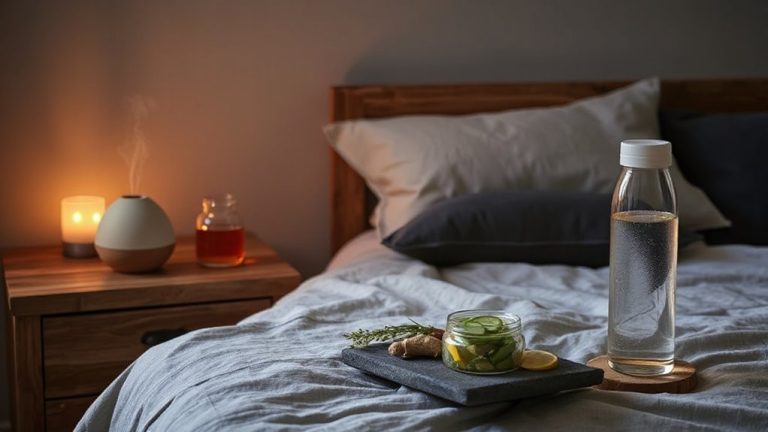
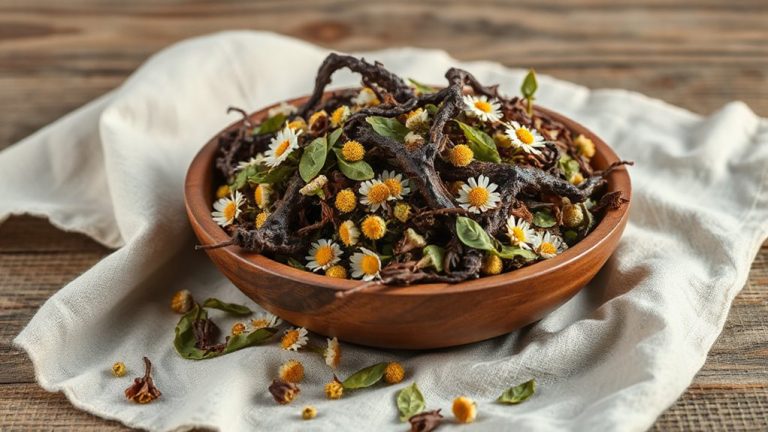
What if your nightly routine could wind down without disrupting your sleep? You can try swapping your nightcap for gentler options that support rest without fragmenting sleep architecture. Herbal teas like chamomile or valerian root are widely available, caffeine-free, and shown in studies to mildly improve sleep quality. They’re safe for most people, though effects vary and may require several nights to notice. Warm milk contains tryptophan, a sleep-related amino acid, and its warmth may signal relaxation. While evidence is limited, many find it comforting and easy to digest. Neither replaces medical treatment for sleep disorders, but both are low-risk ways to replace alcohol. Consider trying one for a week-consistency matters more than immediate results. There’s no trial period or warranty, just patient observation.
On a final note
You might feel drowsy after evening drinks, but alcohol disrupts sleep by breaking up REM and deep stages, leading to restless nights. Even if you fall asleep fast, your rest won’t be restorative. To improve sleep quality, stop drinking at least 3–4 hours before bed. Consider herbal tea or water instead. Over time, reducing nightcaps can stabilize sleep patterns, especially if you struggle with fatigue or sleep disorders. Small changes support better results.