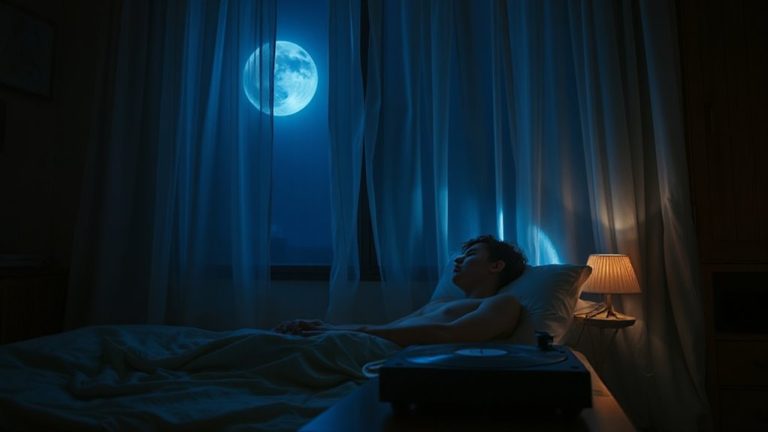
How to Navigate Family Life With a Delayed Sleep Phase Disorder Diagnosis
You can still thrive in family life with DSPD by aligning routines with your natural rhythm instead of fighting it. Shift meals, talks, and activities to later hours when you’re alert, and use blackout curtains, dim lights, and screen limits to improve sleep. Communicate your needs clearly-this isn’t preference, it’s biology. Gradual time shifts and consistent wake-ups help. Planning around energy peaks makes days smoother, and trying adjusted schedules for a few weeks shows what sticks. There’s more to explore about making these changes work long-term.
Notable Insights
- Adjust family routines to align with your natural energy peaks, scheduling shared activities in late afternoon or evening.
- Gradually shift bedtime earlier using 15-minute increments to improve synchronization with family schedules.
- Install blackout curtains and reduce evening light exposure to support consistent sleep timing.
- Educate family members that delayed sleep is biologically based, not a choice or sign of laziness.
- Plan shared meals and conversations during your alert hours to maintain connection without disrupting sleep.
How DSPD Disrupts Family Mornings, Mealtimes, and Connection
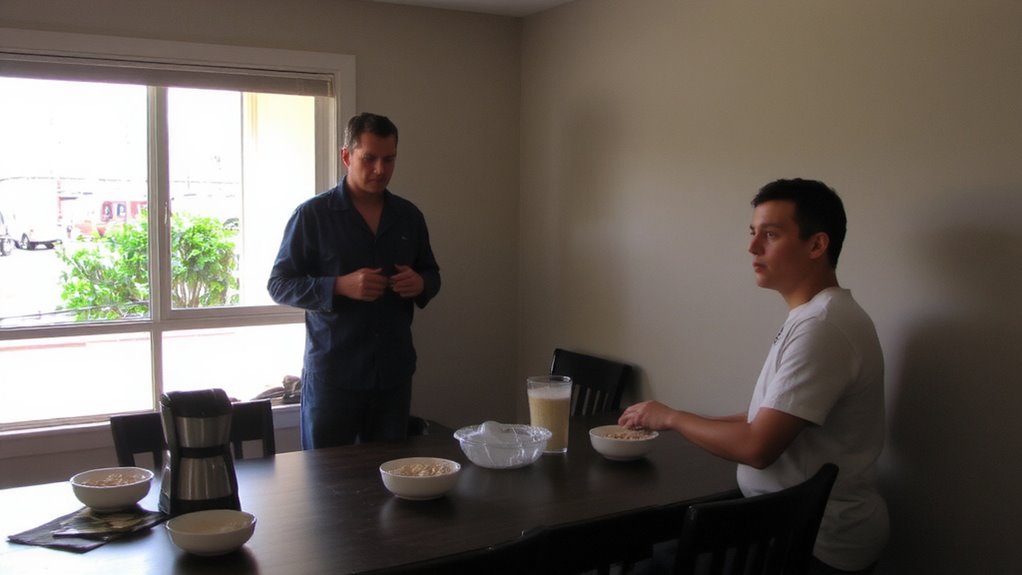
Even when you’re doing everything right, having a family member with Delayed Sleep Phase Disorder (DSPD) can quietly reshape daily routines in ways few anticipate. Mornings become strained when your loved one is still asleep while others rush to school or work, missing breakfast and brief moments of connection. This misalignment often triggers school conflicts, as late starts clash with early schedules, affecting attendance and performance. Evenings may feel lonelier, too, since their peak alertness begins when the household winds down, deepening social isolation. Family meals slip, conversations shorten, and shared rituals fade. You might consider evaluating options like light therapy devices or melatonin, both studied for circadian regulation. Look for FDA-registered tools with clear usage guidelines, trial periods, or warranties to test compatibility. These choices don’t fix routines overnight but may support gradual shifts when used consistently under medical guidance.
Design a Flexible Schedule That Respects Your Delayed Rhythm
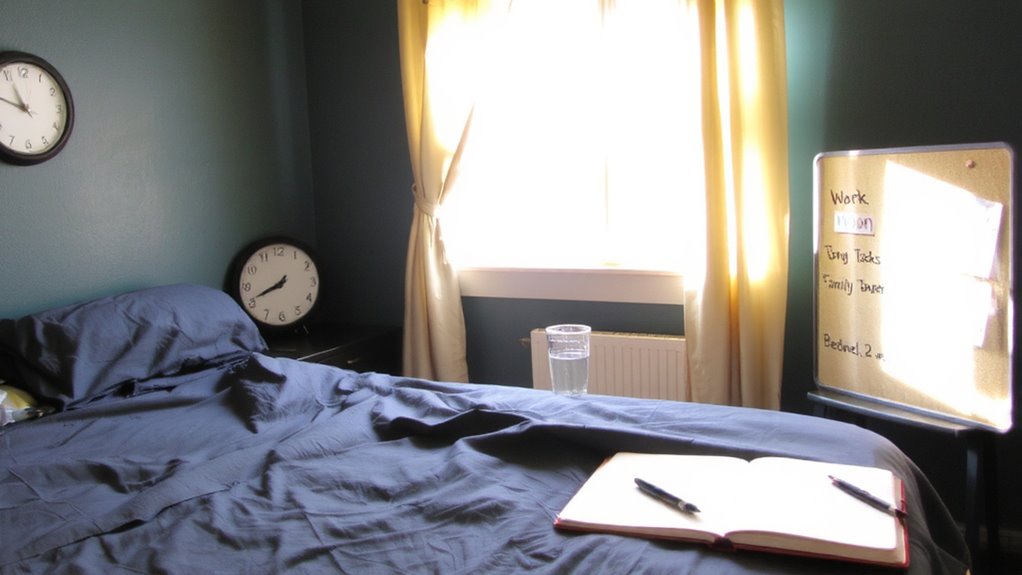
You’re not alone if mornings feel out of sync and shared routines keep slipping out of reach. A delayed sleep phase means your body’s natural rhythm alignment happens later, and forcing early mornings can backfire. Instead of fighting your biology, work with it-adjust tasks and family time to match your energy peaks. Delayed sleep doesn’t mean lazy; it means timing matters. Design a schedule that protects your sleep sanctuary, starting with consistent wake times-even on weekends. Use gradual shifts, moving bedtime earlier in 15-minute steps if needed. Coordinate with your family on shared meals or conversations during your alert hours. Flexibility isn’t leniency; it’s smart planning. Talk to your doctor about light therapy or melatonin, checking dosage, timing, and trial duration. With rhythm alignment, small changes can improve harmony at home-without sacrificing your health.
Create a DSPD-Friendly Home Environment for Better Sleep
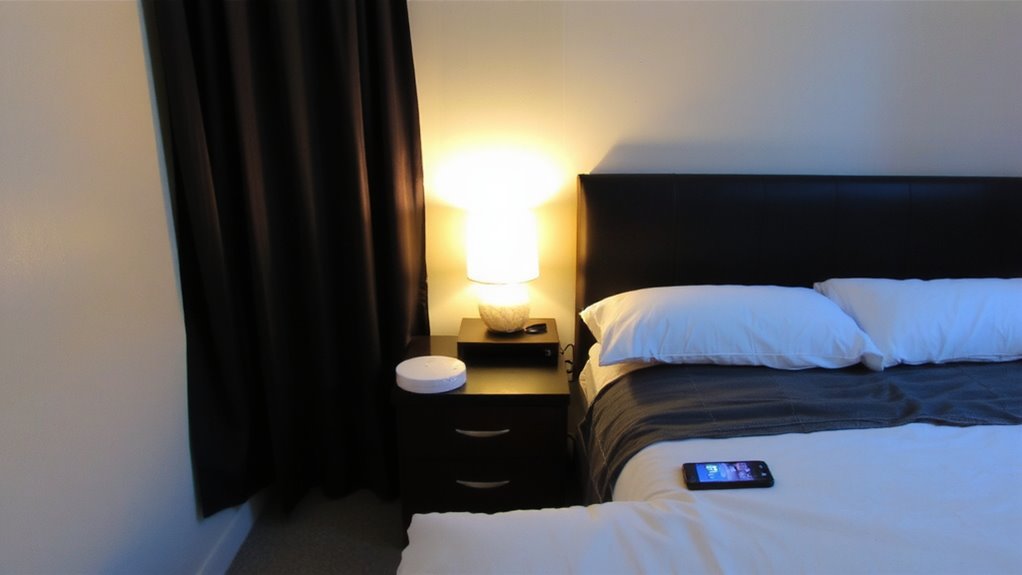
A well-designed sleep space can make a real difference when managing Delayed Sleep Phase Disorder. You’ll want to focus on lighting adjustments that support your natural rhythm-use blackout curtains to block early morning light and dimmers to lower brightness in the evening. Avoid blue light from screens at least an hour before bed, or use blue light filters if necessary. Noise control is also key; consider a white noise machine or earplugs to minimize disruptions from household activity. Choose bedding that helps regulate temperature, since comfort affects sleep quality. Test different options, like weighted blankets or cooling pillows, to see what works best for you. Many sleep aids come with trial periods, so take advantage of returns if something doesn’t help. Small, thoughtful changes add up over time. Tracking your sleep patterns consistently can provide insights into your circadian rhythm, and using a best sleep tracker may help identify trends and improvements over time.
Talk to Your Family About Your Sleep Needs: Without Apologizing
While it might feel awkward at first, having an honest communication with your family about your sleep needs doesn’t require justification or apology. Setting emotional boundaries isn’t cold-it’s necessary for your health. Explain how DSPD affects your body clock honestly and calmly. Let them know your need for consistent routines isn’t preference, but medical necessity. This kind of open dialogue builds understanding and strengthens relationships.
| Need | Why It Matters | How Family Can Help |
|---|---|---|
| Late bedtime | Aligns with natural rhythm | Respect quiet after a set hour |
| Morning grogginess | Common with DSPD | Avoid pressure to be “morning-ready” |
| Consistent schedule | Stabilizes sleep | Support routine, even on weekends |
Plan Family Activities Around Your Energy Peaks
Most family activities thrive when timed with your natural energy peaks, so planning around these windows makes participation more enjoyable and sustainable. You can use energy mapping to track when you feel most alert and focused, often in the late afternoon or evening with delayed sleep phase disorder. Share this pattern with your family to align plans with your productive times. Activity clustering helps group outings, chores, or events into specific blocks, reducing fatigue and increasing follow-through. For example, schedule weekend adventures later in the day when you’re naturally more energized. This method supports consistency without pushing through exhaustion. It’s not about changing your rhythm but working with it. Over time, these small adjustments improve engagement and reduce stress for everyone. Trial periods of two to four weeks can help assess what scheduling works best, allowing real-life testing before making routines permanent.
On a final note
You can align family life with your delayed sleep phase by adjusting schedules, not apologies. Set consistent wind-down times, use dim lighting in the evening, and expose yourself to bright light in the morning. Talk openly about your needs, and plan key family moments during your peak energy hours. Trial changes gradually, track what works, and consult a sleep specialist if symptoms persist. Some treatments, like timed melatonin, have supporting evidence and short-term use guidelines.