Why Listening to Soothing Music Before Sleep Enhances Parasympathetic Activation and Recovery
You calm your body’s stress response when you listen to soothing music before sleep, triggering parasympathetic activation that slows your heart rate and eases muscle tension. Gentle melodies and predictable harmonies reduce mental chatter, while nature-infused soundscapes support a sense of safety. This shift helps regulate brain waves into relaxing alpha and theta patterns, making it easier to fall and stay asleep without medication. You can use simple tools like a smartphone and sleep timer to start tonight-there’s more to explore about fine-tuning your approach.
Notable Insights
- Soothing music activates the parasympathetic nervous system, promoting relaxation and preparing the body for sleep.
- Slow tempos in calming music reduce heart rate and synchronize with natural physiological rhythms to enhance recovery.
- Predictable melodies and harmonies decrease mental arousal, easing the transition into restful, restorative states.
- Listening before bed lowers cortisol levels, reducing stress and supporting nocturnal physical and mental recovery.
- Regular use of sleep music strengthens circadian cues, improving sleep quality and parasympathetic tone over time.
What Music Helps You Fall Asleep Faster?

Why do certain types of music help you fall asleep faster? Because they activate your parasympathetic nervous system, slowing your heart rate and easing your mind. You’ll find melodic harmonies-gentle, predictable chord progressions-especially effective at reducing mental chatter. These patterns create a sense of safety, guiding your brain into a relaxed state. Ambient textures, like soft pads or nature-infused soundscapes, add depth without distraction, filling silence that might otherwise keep you alert. Look for tracks with slow tempos (60 bpm or less), minimal dynamics, and no sudden changes. Instrumental pieces often work better than songs with lyrics, which can engage your thoughts. When choosing music, consider albums or playlists specifically designed for sleep, often backed by research or artist warranties for continuous use. Experiment with different styles to see what aligns with your sleep needs-what works for one person may not work for you.
When to Play Sleep Music for Best Results
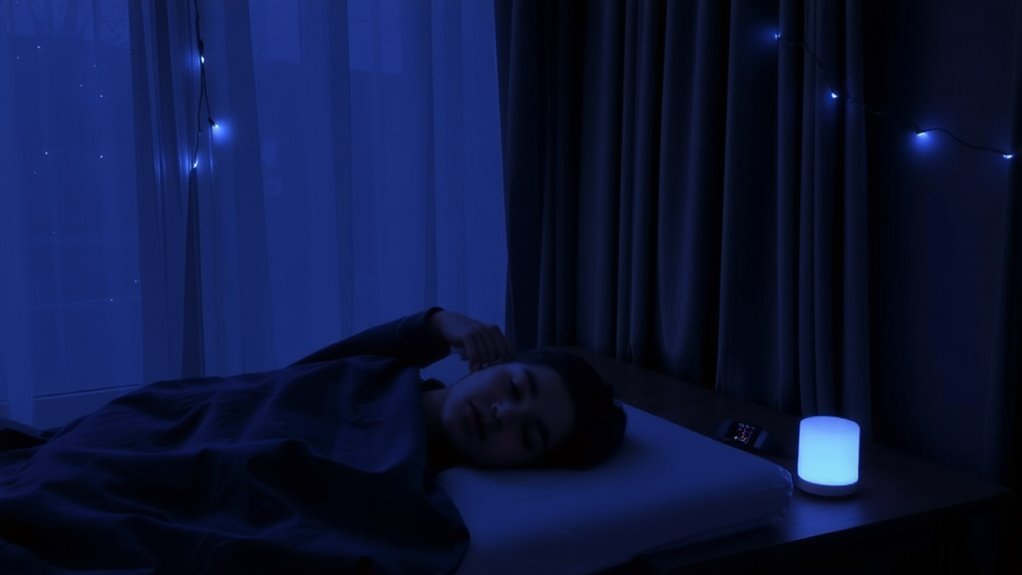
While winding down for bed, playing sleep music about 30 to 60 minutes before your target sleep time can help ease the change into rest. Your body begins recognizing cues for relaxation, improving bedtime timing. The music duration matters-longer tracks or playlists prevent abrupt silence that might disrupt early sleep stages.
| Bedtime Timing | Music Duration |
|---|---|
| 9:00 PM | 45–60 min |
| 10:00 PM | 60 min |
| 11:00 PM | 30–45 min |
| 12:00 AM | 30 min |
Choose gradual fade-out tracks to match natural sleep onset. If you wake later, looping playlists with smooth changes can help. Devices with timers or sleep-tracking apps let you experiment without disturbing sleep. Poor timing or overly long music may interfere, so adjust based on how rested you feel. Test different schedules to find what supports your sleep pattern best.
How Calm Music Activates Your Body’s Rest Mode
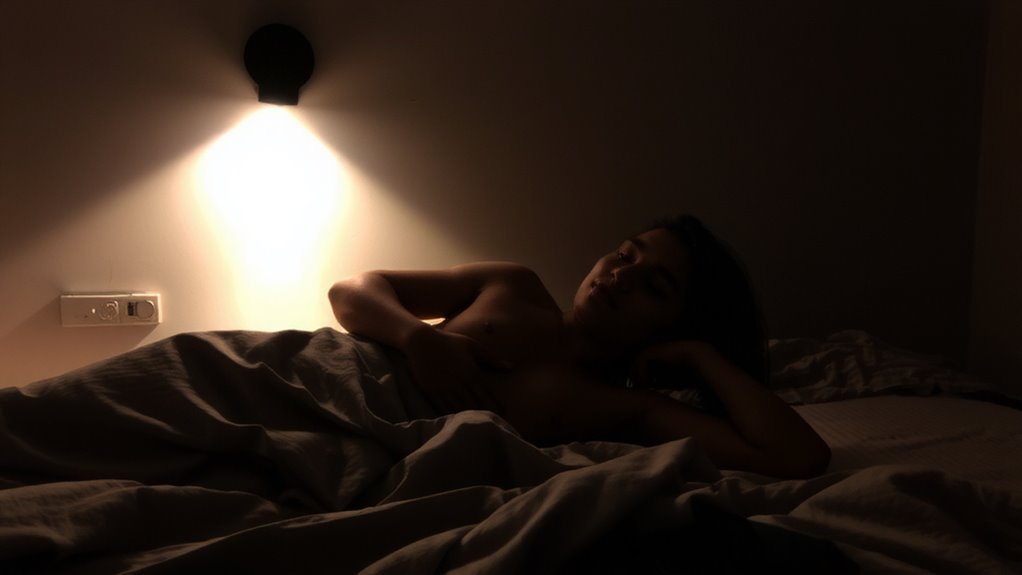
When you listen to calm music before bed, your body begins to shift naturally into rest mode as soothing sounds help slow your heart rate and ease muscle tension. This shift activates your parasympathetic nervous system, which signals your body it’s safe to relax and recover. Calm music gently influences your brain waves, guiding them toward slower patterns like alpha and theta waves-those linked to drowsiness and early sleep stages. Your nervous system responds by reducing stress hormones, helping you move smoothly toward rest. You don’t need special equipment; even a smartphone and headphones work. With regular use, this practice supports better sleep onset and may reduce reliance on sleep aids. It’s a simple, low-cost option worth trying for at least a few weeks to see how your body responds.
Why Slow Tunes Help You Sleep Deeper
If you’ve ever struggled to stay asleep, you might find that slow tunes do more than help you doze off-they can support deeper, more continuous rest throughout the night. When you listen to slow music, your brain waves begin to sync with the rhythm, shifting from faster beta waves to slower alpha and theta waves, which are linked to relaxation and light sleep. This steady shift helps ease you into deeper stages of sleep. Over time, consistent slow music may help regulate your sleep cycles, improving both duration and quality. Unlike sleep aids that can disrupt natural patterns, slow tunes work with your body’s biology, offering a non-invasive option. You can test this for yourself with a few nights of trials, noting changes in how rested you feel. Most streaming platforms offer playlists designed specifically for this, often backed by research on tempo and brain wave alignment.
How to Make Bedtime Music a Consistent Habit
You’ll likely find it easier to stick with bedtime music if you treat it like any other part of your nightly routine, such as brushing your teeth or setting an alarm. Making music a fixed part of your bedtime routine helps signal to your body that it’s time to wind down. To stay consistent, create a music schedule that aligns with your sleep goals. Below are helpful steps:
| Action | Benefit |
|---|---|
| Set a playlist each night | Reduces decision fatigue |
| Use a sleep timer | Prevents disruption later |
| Choose familiar songs | Enhances relaxation |
| Keep volume low | Supports uninterrupted sleep |
| Sync with bedtime routine | Strengthens habit formation |
Over time, this schedule improves parasympathetic activation, aiding recovery and sleep quality. You can adjust length or style based on how you feel-flexibility within structure works best.
On a final note
You’ll likely fall asleep faster with slow-tempo music, played 30–60 minutes before bed. Calm tunes activate your parasympathetic nervous system, easing heart rate and supporting deeper rest. Consistent use may improve sleep quality over time, especially if combined with good sleep hygiene. While not a cure for disorders, soothing music can be a low-risk, accessible aid. Try it nightly for a few weeks, then assess-many streaming services offer free trials, and most tracks require no special equipment.