Artificial Sweeteners & Sleep: How Aspartame Affects Melatonin
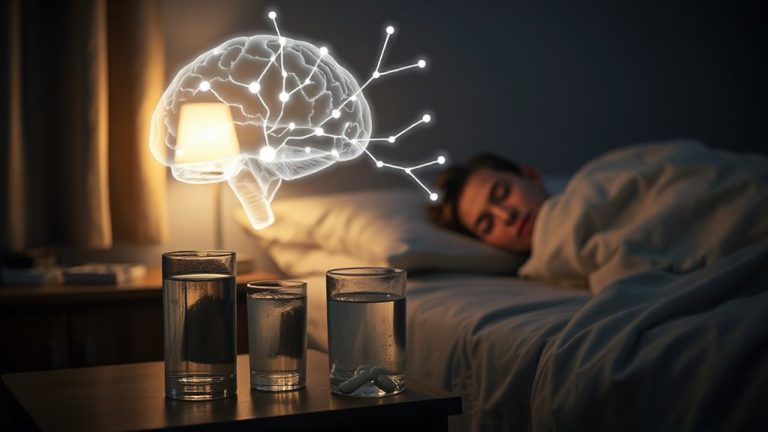
Artificial sweeteners like aspartame and sucralose can disrupt your gut microbiome, which plays a key role in producing serotonin and converting it to melatonin. When your gut balance is off, serotonin drops and melatonin slows, hurting sleep quality and timing. You might sleep long enough but still feel unrested. Blood sugar spikes from some sweeteners add to the imbalance. Choosing gentler alternatives could support better hormone and sleep regulation-there’s more to contemplate about which options work best.
Notable Insights
- Artificial sweeteners like aspartame and sucralose disrupt gut microbiome balance, indirectly affecting sleep-regulating neurotransmitters.
- Gut microbiome imbalances triggered by sweeteners can promote inflammation, impairing neurotransmitter signaling involved in sleep regulation.
- Artificial sweeteners may reduce serotonin production by altering gut bacteria, diminishing a key precursor to melatonin.
- Disrupted serotonin-melatonin conversion due to microbiome changes can lower melatonin levels, impairing sleep onset and quality.
- Evening consumption of artificial sweeteners may worsen sleep by interfering with hormone regulation and increasing blood sugar fluctuations.
How Artificial Sweeteners Disrupt Sleep
Have you ever wondered why your sleep feels restless even when you follow a strict bedtime routine? Artificial sweeteners may be playing a hidden role. Research suggests they can lead to gut microbiome imbalance, which affects how your body regulates sleep. This imbalance may trigger inflammation and interfere with neurotransmitter signals, ultimately leading to altered sleep architecture-meaning you spend less time in deep, restorative stages. You might not wake up often, but your sleep quality still suffers. These changes can make you feel tired despite long hours in bed. While sweeteners help reduce sugar intake, their effect on sleep is something to weigh carefully. Consider tracking your consumption and noting any changes in restfulness. Some people benefit from alternatives or reducing intake, especially at night. It’s a small adjustment that could support better sleep patterns over time.
How Sweeteners Affect Serotonin and Sleep Quality
Why might your evening diet soda or sugar-free snack be affecting how rested you feel? Artificial sweeteners may disrupt serotonin production, a key neurotransmitter that helps regulate mood and sleep. These additives can alter your gut microbiome balance, which plays a role in synthesizing serotonin. When that balance shifts, your body might produce less serotonin, potentially leading to poorer sleep quality. Over time, this could have a noticeable cognitive function impact, especially in attention and memory tasks. While occasional use may not cause major issues, frequent intake-especially late in the day-might interfere with your natural sleep patterns. Consider monitoring your consumption and observing changes in restfulness. Simple adjustments, like switching to non-sweetened alternatives, could support better sleep without drastic lifestyle changes. Always consult a healthcare provider before using sleep aids or making significant dietary shifts.
How Artificial Sweeteners Lower Melatonin Levels
While your late-night snack might seem harmless, choosing one with artificial sweeteners could quietly affect your body’s melatonin levels. These additives may disrupt your gut microbiome, which plays a role in converting serotonin to melatonin-your sleep hormone. When the balance of gut bacteria shifts, the pathway to melatonin production can slow down. Some sweeteners also trigger mild blood sugar spikes, even without calories, prompting insulin responses that interfere with nighttime hormone regulation. Over time, this can make it harder to fall asleep or stay asleep. You don’t need to eliminate all sugar substitutes, but being mindful of timing and type matters. Opting for nighttime snacks without artificial sweeteners may support steadier hormone rhythms. If you use sleep aids or track sleep disorders, consider how diet choices, like sweetener use, contribute to overall sleep quality. Small changes can improve your body’s natural sleep-wake cycle.
Which Sweeteners Are Worst for Your Sleep?
Not all artificial sweeteners affect your sleep the same way, and some have a stronger impact than others when it comes to disrupting your nightly rest. You’re likely to see the biggest issues with aspartame and sucralose, as they may alter your gut microbiome, which plays a role in producing sleep-regulating neurotransmitters. When your gut balance shifts, it can indirectly affect sleep quality and even trigger mild sleep disorders over time. Saccharin isn’t off the hook either-it’s been linked to blood sugar spikes in some people, and those fluctuations can interfere with falling or staying asleep. Your body might react to these sweeteners differently, so monitoring your response matters. While none are outright banned, those with known gut or metabolic effects tend to pose more risk. If you’re already dealing with restless nights, cutting back on these specific sweeteners could help stabilize both blood sugar and sleep patterns.
Better Alternatives for Late-Night Snacking
Could your late-night cravings be working against your sleep without you realizing it? If you’re reaching for snacks loaded with artificial sweeteners, they might be disrupting your sleep-regulating neurotransmitters. A better choice? Try herbal teas like chamomian or valerian root, which support relaxation without impacting blood sugar or stimulating brain activity. They’re easy to prepare and often come with natural calming properties backed by sleep research. Pair a warm cup with a small piece of dark chocolate-choose one with at least 70% cocoa-to satisfy your sweet tooth while benefiting from mild magnesium and antioxidant content. Dark chocolate has less sugar and no artificial substitutes, reducing potential interference with melatonin and serotonin. These substitutions don’t require drastic changes. Over time, swapping nightly treats for these gentler options may improve sleep quality, especially if you’re prone to restlessness or frequent waking. For optimal results, consider choosing from the best healing teas based on expert-reviewed quality and ingredient transparency.
On a final note
You might not realize how artificial sweeteners affect your sleep, but cutting back could help. They may lower melatonin and alter serotonin, both critical for rest. If you snack at night, try natural options like fruit or plain yogurt instead. Small changes like switching sweeteners or timing your snacks could support better sleep without drastic steps. See what works for you-your body’s response is the best guide.