The Effects of Room Darkness on Melatonin Production in Kids
You’re likely exposing your child to light that suppresses melatonin, even at low levels. Screen glow, standby LEDs, and outside desperse light can disrupt sleep onset and quality by interfering with natural circadian rhythms. Deep darkness boosts melatonin production, supporting consistent, restorative sleep cycles essential for growth and focus. Using blackout curtains, covering electronics, and removing glowing devices help create a maximally effective environment. Small changes improve sleep continuity-and the full picture reveals even more effective strategies.
Notable Insights
- Complete room darkness supports natural melatonin release, crucial for healthy sleep onset in children.
- Even small light sources like charging devices or nightlights can suppress melatonin and disrupt sleep cycles.
- Blue light from screens before bedtime delays melatonin production and reduces sleep quality significantly.
- Blocking external light with blackout curtains and sealing gaps improves melatonin levels and sleep consistency.
- Covering or unplugging glowing electronics helps maintain deep darkness, aligning circadian rhythms for optimal development.
How Light Sabotages Kids’ Sleep (And What To Do)
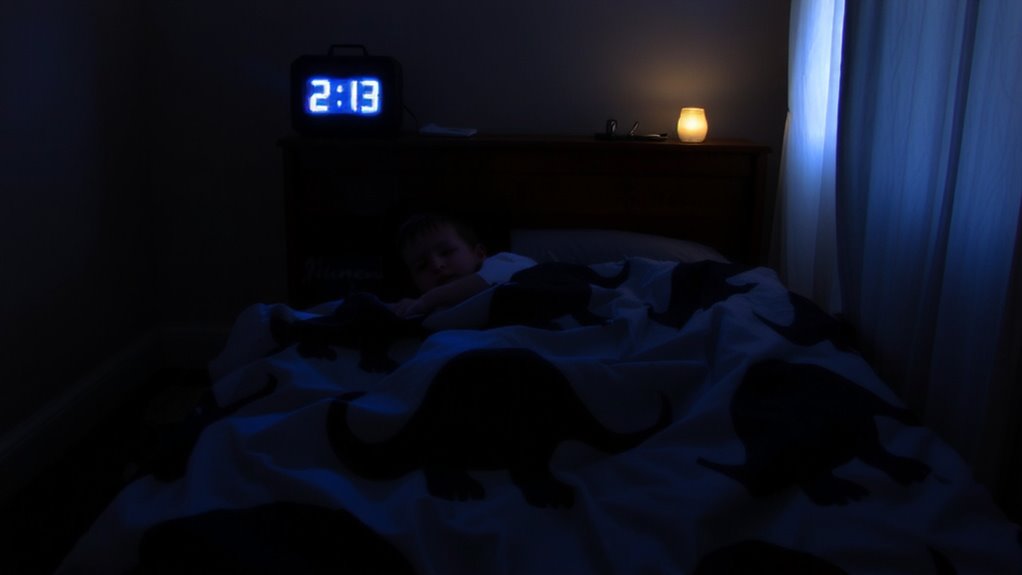
Why does your child struggle to fall asleep, even when tired? Chances are, blue light and screen exposure are playing a bigger role than you think. Devices like tablets, phones, and TVs emit blue light that tricks the brain into thinking it’s still daytime. This suppresses melatonin, the hormone that signals it’s time to sleep. Even an hour of screen exposure before bed can delay sleep onset and reduce sleep quality. To help, limit screen use at least one hour before bedtime. Consider using device settings that reduce blue light, like night modes. However, those aren’t perfect-physical separation from screens works better. Create a routine: read a book, dim the lights, and keep bedrooms screen-free. This supports natural melatonin release. Small changes improve sleep consistency. Track results over a week. Most families see benefits fast-without needing sleep aids or prescriptions. For added darkness, consider installing best inexpensive blackout curtains to further enhance melatonin production.
Why Even Small Lights Block Melatonin In Children
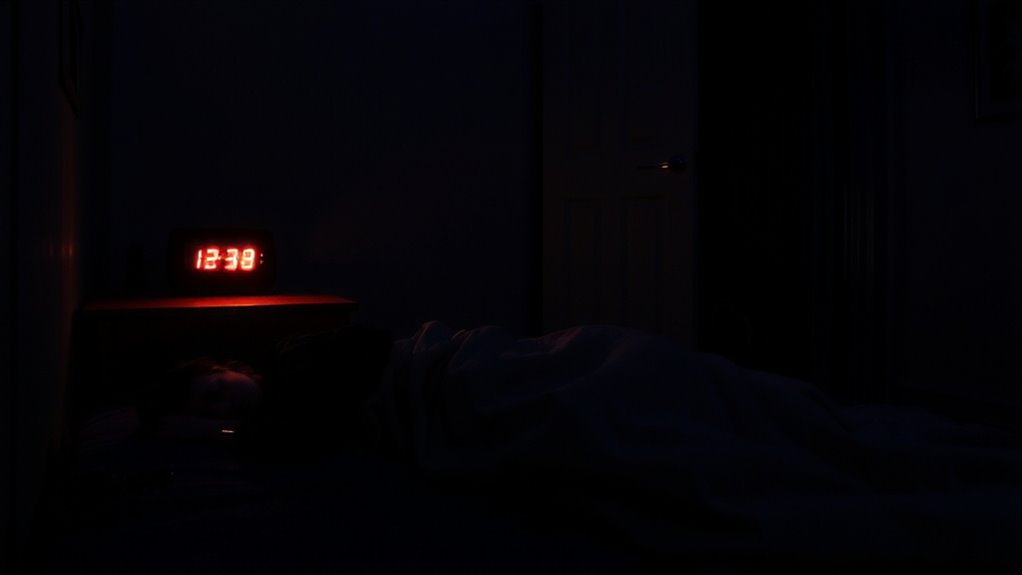
A single nightlight, glowing softly across the room, can be enough to interfere with your child’s melatonin production. Kids have heightened light sensitivity, meaning even dim sources can trigger circadian disruption. Their eyes let in more light, and their brains react more strongly, suppressing sleep hormones faster than adults. This shift can delay sleep onset and reduce sleep quality over time.
| Light Source | Melatonin Suppression | Risk of Circadian Disruption |
|---|---|---|
| Nightlight | Moderate | High |
| Phone glow | High | Very High |
| Hallway spill | Low-Moderate | Moderate |
| Digital clock | Low | Low-Moderate |
| Streetlight | Moderate | Moderate |
Choosing darker environments supports natural melatonin release. If lighting is needed, opt for red-spectrum bulbs, which affect melatonin less. Consistent dark rooms improve sleep onset and support long-term rhythm stability. Upgrading to the best blackout blinds can significantly enhance bedroom darkness, promoting more reliable melatonin production in children. Best blackout blinds are especially effective for minimizing light exposure during sleep.
5 Hidden Light Sources In Your Child’s Room
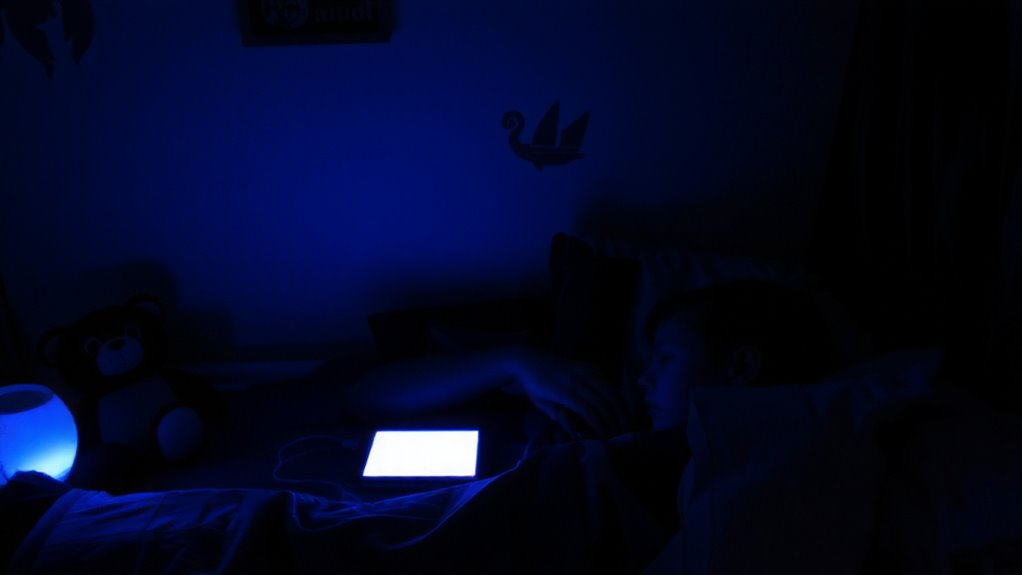
What’s really disrupting your child’s sleep might not be obvious at first glance. Small, often overlooked light sources in their room can interfere with melatonin production. Nightlights near outlets, though meant to comfort, emit enough glow to affect sleep cycles. Charging devices glowing in the dark-like tablets, phones, or chargers-also contribute, even when dim. These lights may seem harmless, but they signal the brain to reduce melatonin, making it harder to fall and stay asleep. Power strips with indicator lights or electronics with standby modes add up. You don’t need to remove all devices, but consider covering or unplugging them at night. Choose outlet timers or blackout covers for nightlights. Testing a fully dark room for a few nights might reveal improvements in how quickly your child falls asleep and how rested they feel. It’s a simple trial with no risk and clear benefits.
How To Make A Bedroom Truly Dark For Better Sleep
Even if you’ve turned off the overhead light, your child’s room might still have enough ambient glow to interfere with melatonin. To fix this, start with blackout curtains that block nearly all outside light-look for ones with layered fabric and tight weaves. For stubborn gaps, apply light sealing tape around window edges. Consider using door draft stoppers and covering electronics with opaque tape. When selecting curtains, choose lightweight blackout curtains that combine effective light blocking with ease of installation and durability.
| Solution | Effectiveness |
|---|---|
| Blackout curtains | High |
| Light sealing tape | Moderate |
| Door draft stopper | Moderate |
| Covered electronics | Low to moderate |
Choose products with warranties to test performance. Pair these with a cool, quiet room for ideal conditions. Trial adjustments over a week can help you assess improvements. These steps support better sleep onset without relying on sleep aids.
What Deep Darkness Does For Your Child’s Sleep
You’ve taken steps to block outside light and minimize glow from electronics, but reaching deep darkness does more than just remove brightness-it signals your child’s brain that it’s time for sleep. This triggers melatonin release, aligning their circadian rhythm with natural nightfall. When their body clocks stay consistent, sleep quality improves noticeably. Deep darkness supports longer, uninterrupted sleep cycles, which are essential for growth and learning. Even small light leaks can disrupt this balance, so consider blackout curtains or a sleep mask for added assurance. Devices like white noise machines or smart lights can help adjust the room environment gradually. There’s no need for sleep aids if the space works with your child’s biology. Testing total darkness for a week can reveal changes in mood and morning alertness. Most changes require no cost or long-term commitment, making it a low-risk, high-reward option to try.
On a final note
You can help your child sleep better by minimizing light in their room, since even small sources-like a nightlight or charger glow-can delay melatonin release. A truly dark environment supports natural sleep cycles. Consider blackout curtains, covered electronics, and nightlights with warm, dim settings if needed. Test adjustments for a few nights to observe changes. Many quality sleep aids and room modifications offer trial periods, so you can compare results confidently.