How Sleep Cycle Disruption Increases Cravings for Sugary Foods
When you lose sleep, your body releases more ghrelin and less leptin, making you feel hungrier and less satisfied after eating. Your brain craves quick energy, so sugary foods become more tempting. Poor sleep also weakens impulse control, making it harder to resist snacks. Evening screen time worsens this by delaying sleep. Getting 7–9 hours regularly helps reset hunger signals-better sleep means fewer cravings, especially at night. Improving sleep habits could be a key step in managing those urges.
Notable Insights
- Sleep loss disrupts hunger hormones, lowering leptin and raising ghrelin, which increases appetite for sugary foods.
- Poor sleep impairs the prefrontal cortex, reducing self-control and making high-sugar foods more appealing.
- Sleep deprivation boosts activity in brain reward centers, intensifying cravings for calorie-dense, sweet foods.
- Even one night of disrupted sleep elevates stress and emotional eating, often satisfied with quick-energy sugary snacks.
- Evening screen use delays melatonin, disrupts circadian rhythm, and promotes late-night snacking on sugary, high-carb foods.
Why Lack of Sleep Makes You Crave Sugar
Ever wonder why you reach for candy or soda after a poor night’s sleep? When your rest is cut short, your body’s stress response ramps up, making you more likely to slip into emotional eating. Without enough sleep, your brain struggles to manage mood and impulse control, so sugary foods feel like a quick fix. This isn’t just laziness-it’s biology. Sleep loss amplifies cravings as a way to seek fast energy and comfort. Over time, repeated cycles can deepen reliance on sugar, especially during daytime fatigue. You might not realize how much sleep affects behavior, but tracking patterns can help. If this happens often, consider evaluating your sleep routine or checking for common sleep disorders. Some find sleep aids useful, but always look at features, trial periods, and medical advice first. Good sleep isn’t a luxury-it’s a tool for better choices.
How Hunger Hormones Go Haywire When Tired
When you’re running on too little sleep, it’s not just your willpower that takes a hit-your hunger hormones start acting out, too. You’re likely to experience leptin imbalance, meaning your body doesn’t signal fullness like it should. At the same time, you’ll face ghrelin spikes, the hormone that tells you to eat, especially calorie-dense foods. These shifts happen even after just one poor night’s sleep. Over time, chronic disruption can deepen cravings and make weight management harder. Prioritizing consistent sleep helps regulate these hormones naturally. If you suspect a sleep disorder like insomnia or sleep apnea, seeking evaluation can clarify treatment options-from lifestyle changes to approved sleep aids. Many devices and apps track sleep patterns, offering insights for improvement. Some come with trial periods or warranties, letting you test effectiveness. Restoring your sleep cycle isn’t about perfection-it’s about making steady, workable choices that support long-term balance.
Why Your Brain Demands Sugar for Energy
Because your brain relies heavily on glucose to function efficiently, it often pushes you toward sugary foods when you’re running low on energy, especially after poor sleep. This shift is tied to changes in brain chemistry that prioritize quick fuel sources during energy depletion. When sleep is disrupted, your brain’s prefrontal cortex-responsible for decision-making-becomes less active, making it harder to resist simple carbs. At the same time, regions linked to reward become more responsive, increasing the appeal of sugar. These shifts aren’t just willpower issues-they’re biological responses. Prioritizing consistent sleep helps stabilize brain chemistry and maintain energy balance. If sleep difficulties persist, evaluating sleep aids or consulting a specialist may support healthier patterns. Look for well-reviewed, clinically tested options backed by trial data and clear warranty terms. Addressing sleep quality can reduce sugar dependence at its root. For those considering supplements, choosing best sleep supplements based on scientific evidence and quality standards can make a meaningful difference in rest and metabolic regulation.
Late-Night Habits That Fuel Sugar Cravings
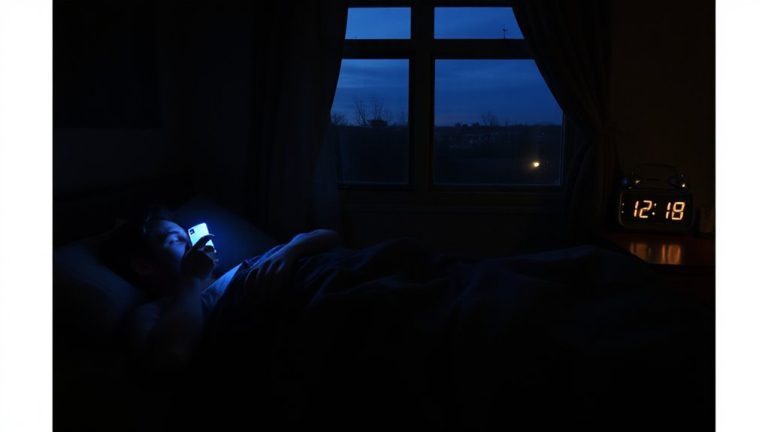
What if your evening routine is quietly setting you up for late-night sugar cravings? Late screen exposure-especially from phones or TVs-delays melatonin release, pushing back sleep onset and increasing hunger hormones. This shift often leads to midnight snacking, particularly on sugary, high-carb foods. Blue light disrupts circadian signals, making your brain seek quick energy when it should be winding down. Even small habits, like scrolling in bed, can trigger cravings by confusing your body’s internal clock. Reducing screen exposure at least one hour before bed helps regulate sleep cycles and lower the urge to snack. Consider replacing late-night browsing with dim lighting or calming activities like reading. These adjustments support natural sleep patterns, reducing dependence on sleep aids and lowering the risk of repeated midnight snacking. Simple, consistent changes improve sleep quality and decrease sugar-driven hunger without drastic measures.
How Better Sleep Reduces Sugar Cravings
Though you might not notice it right away, improving your sleep quality can quietly shift your eating habits in a healthier direction. When you get consistent, restful sleep, your brain regulates hunger hormones like ghrelin and leptin more effectively, which helps you make better food choices. Poor sleep quality often leaves you tired, leading to quick energy fixes like sugary snacks. But with deeper, uninterrupted sleep, your energy levels stabilize, reducing the urge to reach for sweets. Studies show that people who sleep 7–9 hours nightly tend to crave less sugar and feel more in control of their eating. Even small improvements-like sticking to a regular bedtime or cutting screen time before bed-can support long-term changes. Consider tracking sleep patterns or trying approved sleep aids if issues persist. Many have trial periods or warranties, letting you test options safely. Better sleep isn’t a quick fix, but it’s a sustainable way to reduce cravings and improve overall health.
On a final note
You feel hungrier and crave sugar when tired because your hunger hormones shift and your brain seeks quick fuel. Poor sleep affects hormones that regulate appetite, increasing desire for sugary snacks. Staying up late also adds chances to eat. Getting better sleep helps balance these signals, reducing cravings. If sleep problems persist, consider talking to a doctor, trying proven sleep aids, or adjusting habits to improve rest and health over time.