Comparing Sleep Efficiency Outcomes Between Manual Therapy and Instrument-Assisted Soft Tissue Mobilization Groups
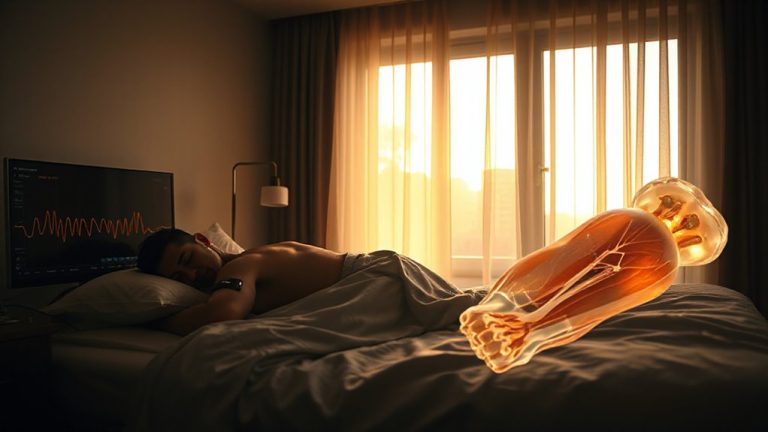
Your pain treatment can influence sleep efficiency, and both manual therapy and IASTM help by reducing discomfort and calming the nervous system. Manual therapy uses hands-on techniques to relax muscles and improve circulation, while IASTM targets deep tissue with tools to break up restrictions and support overnight recovery. Research shows both slightly improve sleep efficiency, with gains seen within weeks. You might notice fewer nighttime awakenings and more restorative rest over time, especially when therapy aligns with your body’s healing needs. There’s more to discover about which approach fits your pattern of recovery.
Notable Insights
- Both manual therapy and IASTM improve sleep efficiency by reducing pain that disrupts rest.
- IASTM shows a slight edge in sleep efficiency gains due to targeted fascial release and neural modulation.
- Manual therapy enhances deep sleep stages more noticeably through broad muscle relaxation and nervous system regulation.
- Studies report measurable sleep improvements within weeks of consistent manual therapy or IASTM sessions.
- Individual responses vary, but both therapies outperform control groups in supporting sleep continuity and quality.
Does Your Pain Treatment Affect How Well You Sleep?
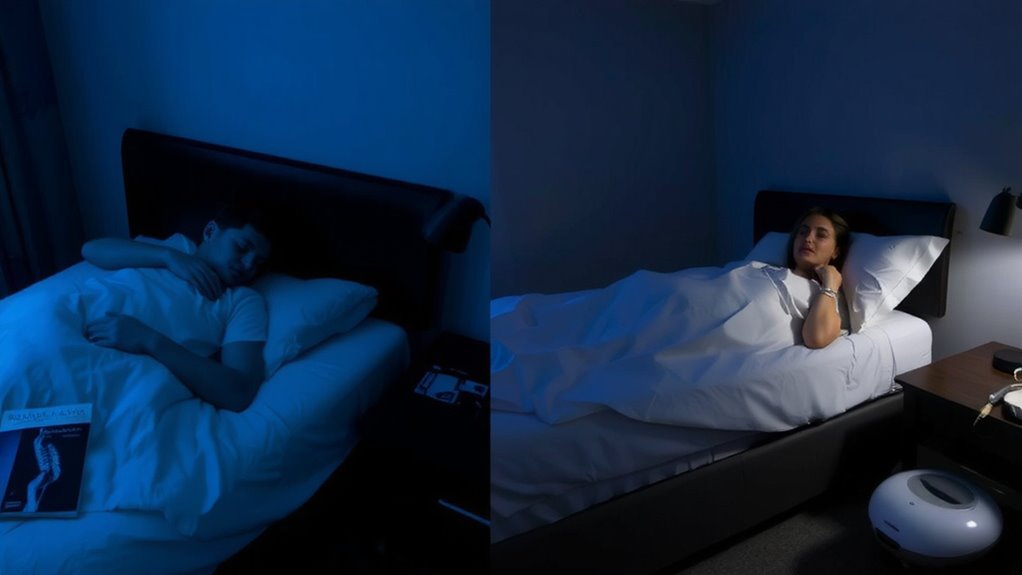
How well you sleep might depend more on your pain treatment than you think. If your treatment doesn’t address underlying discomfort, even good sleep hygiene won’t help much. You might toss and turn, your body tense, mind alert-no matter how dark or quiet the room. Effective pain care supports stress reduction, which in turn stabilizes your sleep patterns. Without it, your nervous system stays activated, making deep, restorative rest hard to reach. You don’t just need better habits; you might need a better approach to pain. Some treatments offer short-term relief, while others aim for lasting change through physical and neurological reset. Consider how a therapy aligns with both pain control and recovery goals. Look for methods with trial periods or clear outcome data. Your sleep depends not just on when you lie down, but on how your body feels when you do.
How Manual Therapy Helps You Fall and Stay Asleep
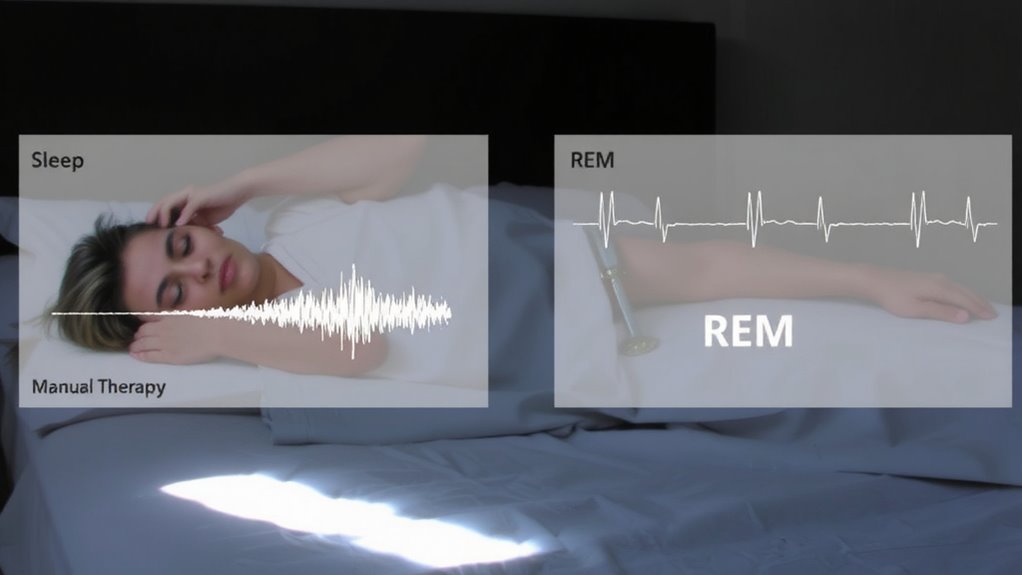
You’re more likely to fall asleep-and stay asleep-when your body isn’t sending pain signals to your brain, and that’s where manual therapy can make a measurable difference. By targeting tense muscles and restricted tissues, it promotes muscle relaxation, helping reduce physical stress that often delays sleep onset. Techniques like soft tissue mobilization and joint manipulation work to release tension, improve circulation, and support nervous system balance-factors directly tied to better sleep regulation. Unlike sleep aids, which mask symptoms, manual therapy addresses underlying discomfort, potentially decreasing reliance on medication over time. It’s non-invasive, with low risk when performed by trained professionals, and often covered under physical therapy plans. You might notice improvements within a few sessions, though results vary. Since sleep quality affects overall health, trying manual therapy could be a practical step if pain interferes with rest. It won’t work for everyone, but it’s a well-documented option worth considering alongside other evidence-based strategies.
How IASTM Relieves Tension to Improve Sleep Quality

While your body repairs itself overnight, persistent muscle tension can disrupt the rest you need, but instrument-assisted soft tissue mobilization (IASTM) may help by targeting deep layers of connective tissue. This technique supports fascial release, breaking up adhesions that restrict movement and contribute to discomfort. At the same time, IASTM encourages neural modulation, calming overactive nerves that can keep your body alert when it should be winding down. Together, these effects may create a physical environment more conducive to falling asleep and staying asleep. You might notice improved relaxation and less nighttime stiffness.
| Benefit | How It Helps Sleep |
|---|---|
| Fascial release | Reduces muscle tightness |
| Neural modulation | Calms nervous system activity |
| Increased blood flow | Supports tissue repair |
| Decreased pain | Minimizes sleep disruptions |
Manual vs. IASTM: Which Therapy Boosts Sleep Efficiency?
IASTM offers a targeted approach to easing physical tension that can interfere with rest, but it’s not the only method available. You might also consider manual therapy, which promotes deep muscle relaxation through hands-on techniques. Both methods can positively influence your sleep patterns, but they differ in delivery and experience. IASTM uses specially designed tools to apply controlled pressure, helping release tight tissues efficiently. Manual therapy relies on the therapist’s hands, allowing for intuitive adjustments and personalized feedback during treatment. While IASTM may reach specific areas more precisely, manual therapy often feels more gradual and thorough. Your choice depends on comfort, physical needs, and how each affects your muscle relaxation. Neither guarantees immediate changes in sleep efficiency, but many find improved rest after consistent sessions. Consider trying both to see which supports your sleep patterns best, as individual responses vary.
What the Research Says About Restorative Sleep Outcomes
How well you sleep often depends on more than just bedtime habits-what you do during the day to manage physical tension may play a key role, too. Studies show both manual therapy and instrument-assisted soft tissue mobilization (IASTM) can positively influence restorative sleep by improving sleep architecture and supporting a stable circadian rhythm. These therapies may reduce muscle tension, which in turn helps your body shift smoothly into deeper sleep stages.
| Therapy Type | Sleep Architecture Improvement |
|---|---|
| Manual | Moderate enhancement in deep sleep |
| IASTM | Slight increase in sleep efficiency |
| Control | Minimal change |
You might notice better sleep quality within a few weeks of consistent treatment. Neither method promises overnight results, but both offer non-invasive options worth considering if you struggle with restorative sleep. Always consult a healthcare provider before starting new therapies, especially if you have existing sleep disorders.
On a final note
Your pain treatment can affect sleep quality, so choosing the right therapy matters. Both manual therapy and IASTM improve sleep efficiency by reducing discomfort and muscle tension. Manual therapy offers hands-on relief that may help you fall asleep faster, while IASTM targets deeper tissue, possibly supporting longer rest. Studies show modest gains with both. Consider trial sessions, therapist skill, and your comfort when deciding. Check clinic policies on follow-ups or adjustments to guarantee lasting benefits.