Why Delayed Sleep Phase Disorder Is Often Misdiagnosed as Insomnia
You might be misdiagnosed with insomnia when you actually have delayed sleep phase disorder because both involve trouble falling asleep on time. Doctors often overlook your natural sleep pattern, especially on days you’re not restricted by work or school. If your sleep is restful once you’re asleep, and you thrive on a later schedule, it’s likely DSPD. Standard insomnia treatments like sleep aids or strict bedtimes won’t fix the real issue-your internal clock is out of sync. Light therapy and timed melatonin can help reset it. Understanding the difference guides better choices for treatment. You may find clearer solutions by exploring how your body’s rhythm shapes your sleep.
Notable Insights
- DSPD and insomnia both involve trouble falling asleep, leading doctors to overlook circadian timing differences.
- Many clinicians fail to assess sleep patterns on free days when natural rhythms reveal DSPD.
- Night owls with DSPD are often mislabeled as having poor sleep habits instead of a circadian disorder.
- Melatonin timing and dim light melatonin onset are rarely tested, missing key DSPD indicators.
- Standard insomnia treatments like CBT-I and sleep aids don’t address delayed circadian timing in DSPD.
What Exactly Is DSPD?
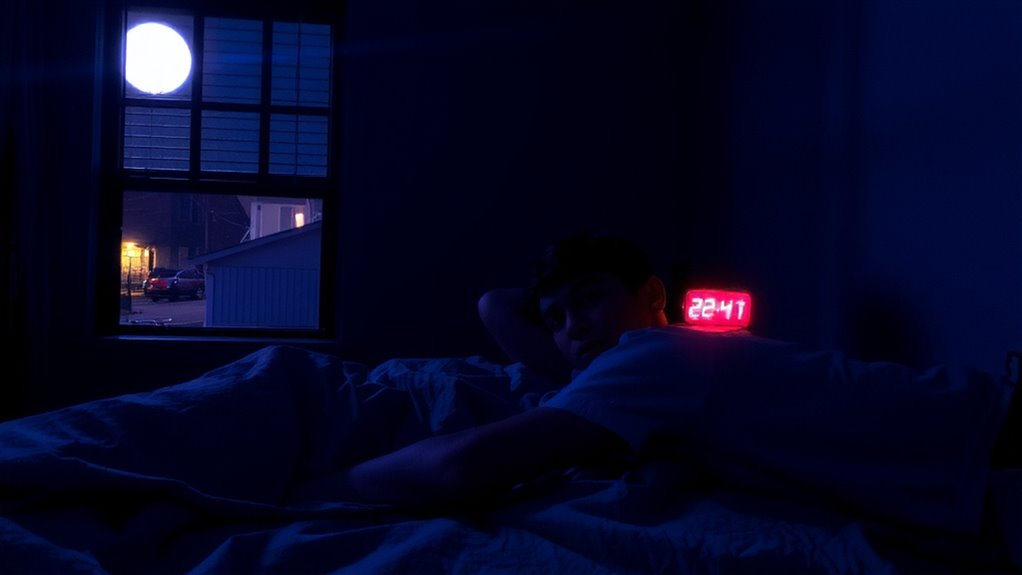
While most people fall asleep easily at night and wake up feeling rested in the morning, that’s not always the case if you have Delayed Sleep Phase Disorder, or DSPD. Your circadian rhythm-the internal clock that regulates sleep and wakefulness-is shifted later than typical, making it hard to fall asleep at conventional times. You might not feel sleepy until very late, often past midnight, even if you’re tired. This delay in sleep onset isn’t by choice; it’s a biological shift. You usually function well once awake, but early obligations become difficult. Unlike occasional sleep issues, DSPD happens nightly and persists long-term. Bright light therapy and consistent morning routines can help reset your circadian rhythm. Treatment focuses on gradual adjustments, not quick fixes. Understanding your sleep pattern helps you decide if specialized strategies-or professional guidance-are needed to align sleep with daily demands.
Why DSPD Isn’t Just Insomnia
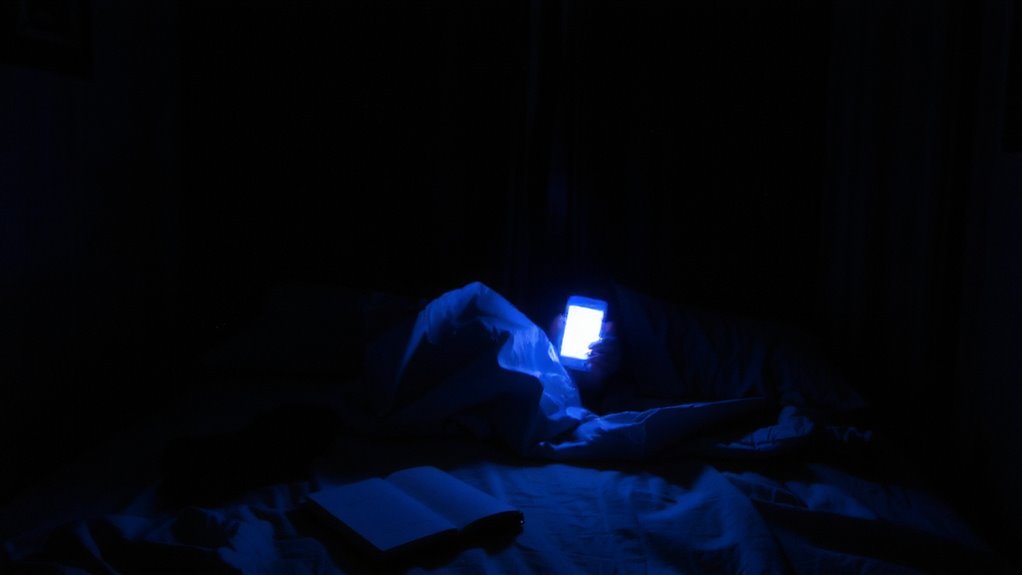
Because your body’s internal clock runs on a delayed schedule, you might struggle to fall asleep at night when you want to, but that doesn’t mean you have insomnia. Your circadian rhythm is naturally shifted later, so when you finally do sleep, your sleep architecture remains normal-deep, restorative cycles intact. Unlike insomnia, where falling or staying asleep is consistently hard, DSPD lets you sleep well if you follow your body’s true rhythm. The issue arises when work or school forces early schedules, making it seem like poor sleep quality. But it’s a timing mismatch, not a sleep disorder like insomnia. Recognizing this difference helps you choose the right approach: light therapy or melatonin may help reset your circadian rhythm, while sleep aids typically used for insomnia might not address your real need. Trial shifts in routine, under guidance, offer clearer results.
Why Doctors Mix Up DSPD and Insomnia
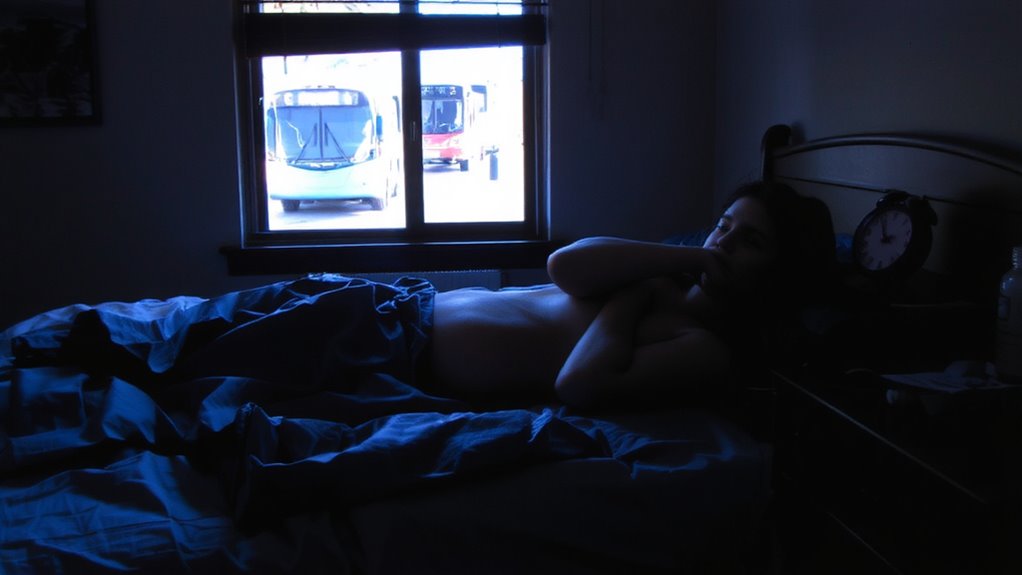
You might walk into a doctor’s office describing trouble falling asleep and leaving with a diagnosis of insomnia, but there’s a good chance the real issue is something different-Delayed Sleep Phase Disorder (DSPD). The mix-up often happens because both conditions involve difficulty sleeping at conventional times. However, with DSPD, your body isn’t resisting sleep-it’s following a delayed internal clock. This circadian misalignment means your natural sleep time starts hours later than typical. Doctors may overlook this due to chronotype confusion, mistaking your shifted rhythm for poor sleep habits or anxiety-driven insomnia. Without asking about your sleep pattern on free days or tracking your melatonin onset, the root cause stays hidden. Recognizing whether you’re simply a night owl versus truly sleepless helps guide better choices about light therapy, melatonin timing, or behavioral strategies. Accurate awareness shapes more effective, personalized sleep solutions.
What Goes Wrong With Insomnia Treatment for DSPD
How many times have you tried standard insomnia treatments, only to find they make your sleep worse? When you have Delayed Sleep Phase Disorder (DSPD), typical advice like strict sleep hygiene or early bedtimes can backfire. Your body’s internal clock runs on a delayed schedule, making it nearly impossible to fall asleep earlier, no matter how hard you try. Relying on medication or rigid routines may offer short-term relief but often leads to increased medication reliance without fixing the real issue.
| Treatment | Problem for DSPD |
|---|---|
| Early bedtime | Causes frustration, more wakefulness |
| Sleep hygiene | Helps, but won’t reset clock |
| Sleep aids | Risk of dependence |
| Stimulus control | Misaligned with body timing |
| CBT-I elements | Need adaptation for circadian delay |
These mismatches mean progress often stalls, leaving you tired and discouraged.
How to Diagnose and Treat DSPD
What if your insomnia isn’t really insomnia, but a misaligned body clock? Delayed Sleep Phase Disorder (DSPD) often shows up as trouble falling asleep, but your body isn’t resisting sleep-it’s just expecting it later. To confirm DSPD, doctors review your sleep logs or use actigraphy over weeks to track patterns. Once diagnosed, treatment focuses on resetting your internal clock. Light therapy each morning helps shift your rhythm earlier by signaling wakefulness. You’ll also adjust sleep hygiene-same bedtime routine, reduced evening screen time, and no caffeine late in the day. These changes work best when combined. Results vary, so consistency matters. Some see improvement within weeks, others need ongoing care. Work closely with a sleep specialist to tailor therapy and monitor progress.
On a final note
You might mistake delayed sleep phase disorder (DSPD) for insomnia, but they’re different. With DSPD, your sleep cycle is shifted, not broken. Insomnia treatments like sleeping pills won’t fix the timing issue and may worsen it. A doctor can diagnose DSPD using sleep logs or actigraphy. Treatment often includes light therapy, melatonin, and strict sleep scheduling. A proper diagnosis means better results. Ask your doctor about a sleep study if sleep aids aren’t helping.