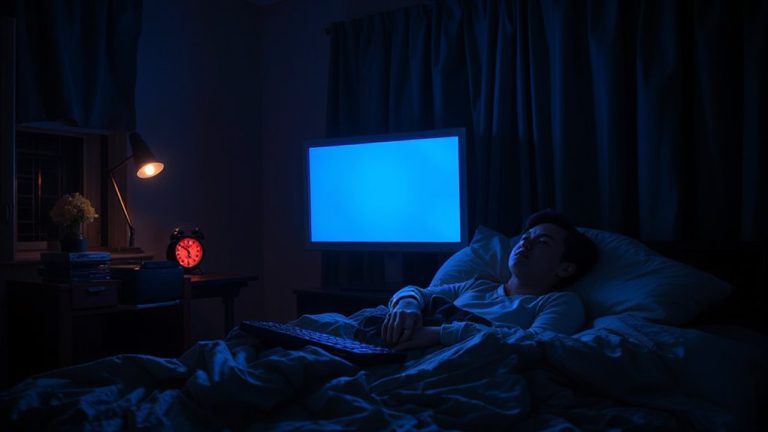
Circadian Rhythm Disorders Overview: Diagnosing and Treating Abnormal Biological Clock Patterns
Your internal clock doesn’t match day-night cycles, causing trouble falling or staying asleep, or waking when needed. Doctors track your patterns with sleep diaries and actigraphy to diagnose delayed, advanced, or shift work phase disorders. Light therapy in the morning or melatonin at night can gently shift your rhythm. Consistent bedtimes, limited screens, and regular routines stabilize sleep. Good habits make treatments work better-there’s more to discover about tailoring these strategies to your life.
Notable Insights
- Circadian rhythm disorders occur when the body’s internal clock is misaligned with the external environment, affecting sleep timing and quality.
- Common types include delayed phase, advanced phase, shift work disorder, and irregular sleep-wake patterns, each with distinct sleep timing disruptions.
- Diagnosis involves sleep diaries, actigraphy monitoring, and clinical evaluation to identify patterns and rule out other sleep disorders.
- Treatment focuses on resetting the biological clock using timed light therapy, morning light to advance and evening light to delay the rhythm.
- Consistent sleep schedules, proper sleep hygiene, and low-dose melatonin taken before target bedtime support long-term circadian alignment.
What Is a Circadian Rhythm Disorder?
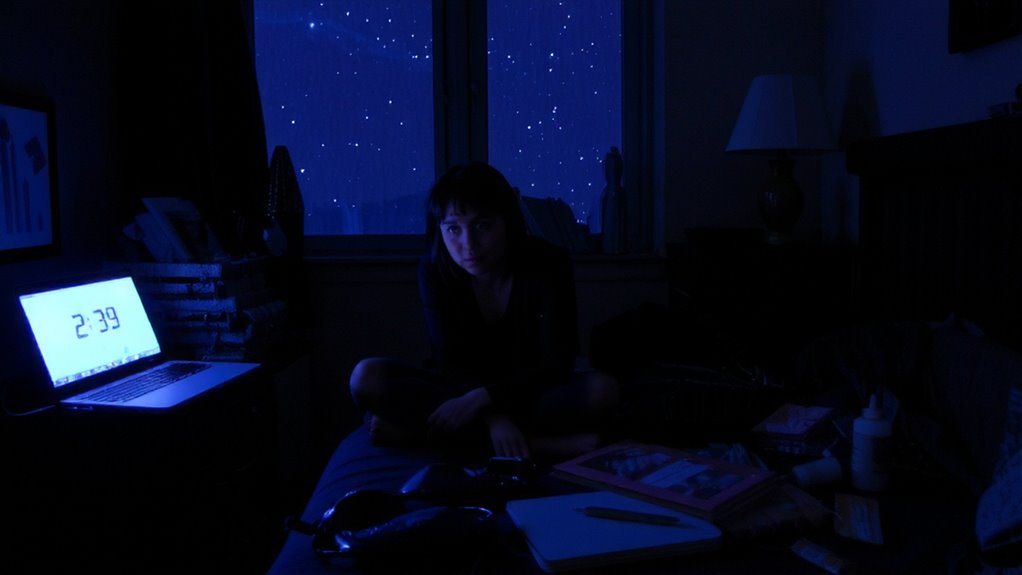
A circadian rhythm disorder means your body’s internal clock is out of sync with your environment, making it hard to fall asleep, stay asleep, or wake up at desired times. You might struggle with daily routines, feel groggy during the day, or find your energy peaks at odd hours. This misalignment often stems from a mix of genetic predisposition and environmental disruption. If your family has a history of sleep issues, you may be more likely to develop one. Shift work, frequent time zone changes, or irregular light exposure can worsen the problem. These disorders affect how well you function but are manageable with proper evaluation and tools. You can adjust through light therapy, consistent sleep schedules, or, when needed, doctor-approved aids. There’s no universal fix, but understanding your triggers helps you make informed choices about treatment and lifestyle adjustments that suit your needs.
Types of Circadian Rhythm Sleep Disorders
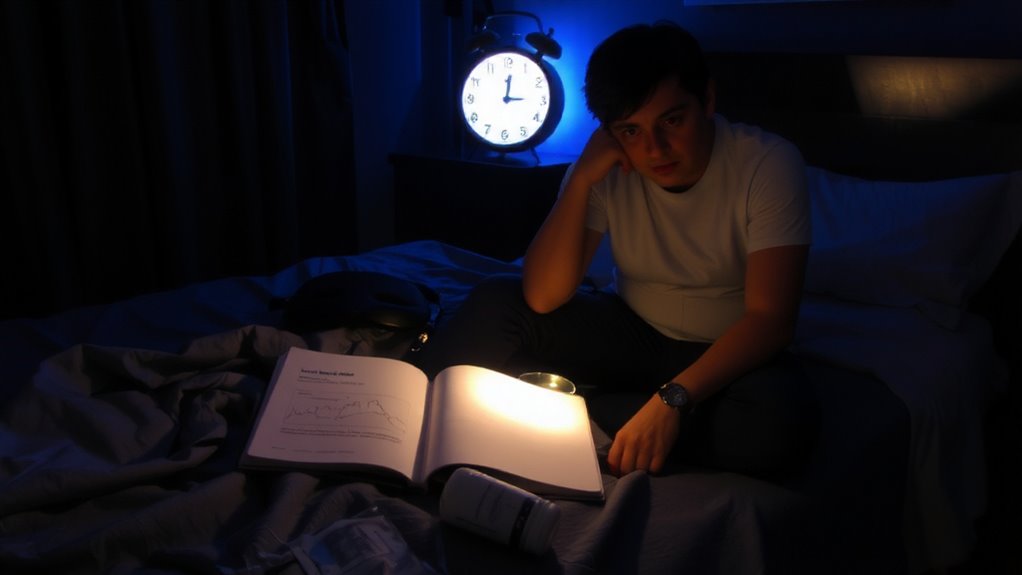
Think of your internal clock like a finely tuned instrument-when it falls out of sync, specific patterns of sleep disruption emerge, and these define the main types of circadian rhythm sleep disorders. You might have delayed phase, where you naturally fall asleep much later than typical and struggle to wake on time, often affecting students or night owls. Or you could experience advanced phase, falling asleep early in the evening and waking before sunrise, common in older adults. These shifts aren’t just poor habits-they reflect real timing changes in your biological clock. Other types include shift work disorder and irregular sleep-wake patterns. Recognizing whether your rhythm leans toward delayed phase or advanced phase helps clarify next steps. Understanding your type guides choices about sleep scheduling, light exposure, and possible supports-each an evidence-based way to realign your rhythm without rushing to medication.
How Doctors Diagnose Sleep-Wake Cycle Disorders

How do doctors figure out what’s disrupting your sleep-wake cycle? They start by asking about your sleep habits and daily routine. You’ll likely be asked to keep sleep diaries for a couple of weeks, writing down when you go to bed, wake up, and feel sleepy. These notes help reveal patterns. Doctors also use actigraphy monitoring, where you wear a small device like a watch that tracks your movement and light exposure over time. This data shows how active or rested you are throughout the day and night. Together, sleep diaries and actigraphy monitoring give a clear picture of your biological rhythm. Doctors may also rule out other sleep disorders with additional tests. These tools are non-invasive, easy to use, and often covered by insurance for diagnosis.
Using Light, Melatonin, and Timing to Reset Your Clock
Once your doctor has tracked your sleep patterns through diaries and actigraphy, the next step is adjusting your internal clock using proven, everyday tools. Light therapy helps shift your rhythm by exposing you to bright light at key times-usually soon after waking-to signal alertness and push your body clock earlier. If you fall asleep too early and wake too soon, evening light may help delay your cycle. Melatonin timing matters just as much; taking low-dose melatonin a few hours before target bedtime can gently nudge your sleep window. You’ll likely need consistent use for several days to notice changes. Results vary, so following your doctor’s timing advice improves effectiveness. Combined, light therapy and proper melatonin timing work with your biology, not against it, supporting gradual, natural shifts without harsh chemicals or disruption. For effective light exposure, consider using a sleep therapy lamp designed to support circadian rhythm regulation.
Daily Habits for a Stable Sleep Schedule
Often, sticking to a consistent daily routine can make a noticeable difference in how well your body settles into a steady sleep schedule. You’ll find that bedtime consistency strengthens your circadian rhythm, helping you fall asleep and wake up more easily each day. Pair this with solid sleep hygiene-like avoiding screens an hour before bed, keeping your bedroom cool and dark, and limiting caffeine after noon-and your sleep quality can improve markedly. Even on weekends, try to wake up within an hour of your usual time to maintain rhythm. Regular meals and daily light exposure also support your body’s internal clock. These habits don’t require special tools or supplements, just steady practice. Over time, they build a reliable foundation that can reduce reliance on sleep aids and enhance overall restfulness, making daily performance and mood more stable.
On a final note
You can manage circadian rhythm disorders by aligning light exposure, melatonin use, and sleep timing with your body’s natural patterns. Doctors may recommend gradual schedule shifts, bright light therapy in the morning, or low-dose melatonin in the evening, depending on your type. Track your sleep, keep consistent wake times, and limit nighttime screens. Most treatments are low-risk, reversible, and adjustable-try changes one at a time, monitor results over a few weeks, and consult your provider if symptoms persist.