The Role of Diet Timing in Managing Advanced Sleep Phase Disorder
You feel tired early and wake too soon because your internal clock runs fast, but adjusting meal times can help reset it. Eating breakfast 90 minutes later and choosing complex carbs with protein boosts morning alertness. Avoid late meals-they delay melatonin and disrupt sleep timing. A lighter dinner by 6:30 p.m. with lean protein and veggies reduces early sleepiness. Small, consistent changes in when and what you eat can shift your rhythm. More details follow on fine-tuning this approach.
Notable Insights
- Delaying breakfast by 90 minutes after waking can help reset the circadian clock in individuals with Advanced Sleep Phase Disorder.
- Eating a balanced breakfast with complex carbs and protein within one hour of waking supports alertness and daytime rhythm alignment.
- Consuming dinner earlier, between 6:30 and 7:30 p.m., may reduce evening sleepiness and prolong wakefulness.
- Avoiding late meals and eating at least three hours before bedtime helps prevent melatonin delays and strengthens circadian entrainment.
- Consistent meal timing with moderate portions and low-fat, high-fiber foods supports better sleep-wake regulation in ASPD.
What Is Advanced Sleep Phase Disorder?

What if your body insisted on falling asleep and waking up hours before most of the world? That’s Advanced Sleep Phase Disorder (ASPD), and it’s more than just being an early bird. If you have ASPD, you might feel sleepy by 7 or 8 p.m. and wake up at 3 or 4 a.m., unable to stay asleep. This shift comes from a genetic predisposition-some people inherit a biological clock that runs faster than 24 hours. The result is circadian misalignment: your internal rhythm doesn’t match the outside world’s light-dark cycle. While not dangerous, it can disrupt work, social life, or evening routines. Treatments like timed bright light therapy or low-dose melatonin may help shift your schedule later. Diagnosis usually involves sleep logs or actigraphy. Knowing your patterns helps you decide whether adjusting with light, supplements, or doctor-led plans makes sense for your lifestyle.
How Late Meals Can Delay Your Sleep Schedule
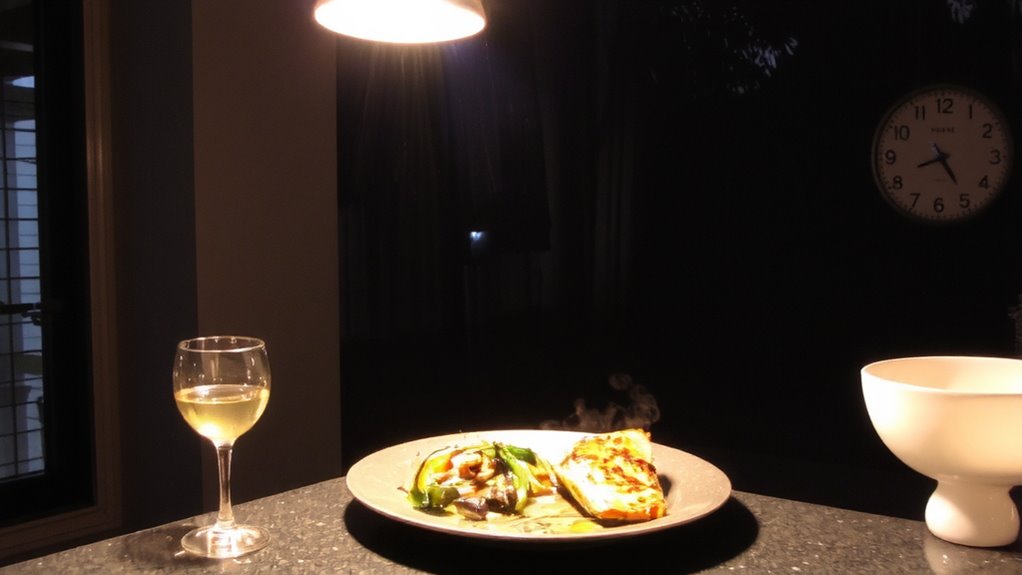
Why does eating late at night make it harder to fall asleep on time? Your body’s internal clock links digestion with sleep onset, so late meals can delay melatonin release. When you eat close to bedtime, your metabolism is still active, making it tougher to wind down. Meal composition matters-high-fat or spicy foods slow digestion and may disrupt sleep more than lighter, balanced options. Even if you’re not full, the act of eating signals your system to stay alert. This effect can push back sleep onset by 30 minutes or more. If you’re managing advanced sleep phase disorder, timing your last meal earlier-ideally 2–3 hours before bed-can help reset your rhythm. It’s a simple, low-risk change with potential benefits. You can test it over a week and adjust based on how you feel. No special tools or costs are needed-just awareness and consistency.
Eat This for Breakfast to Stay Awake Longer

Could your morning meal be holding back your daytime alertness? Choosing the right breakfast can support wakefulness if you’re managing advanced sleep phase disorder. Focus on energy boosting, nutrient-dense foods that deliver steady fuel. A meal with complex carbs, lean protein, and healthy fats-like oatmeal topped with nuts and Greek yogurt-helps sustain mental clarity. These foods digest gradually, preventing the crash linked to sugary options. High nutrient density means more vitamins and minerals per bite, supporting metabolic processes tied to alertness. You don’t need exotic ingredients-whole grains, eggs, and fruit work well. Eat within an hour of waking to signal your body it’s active time. This timing, paired with the right content, may help extend wakefulness. Try different combinations, track how you feel, and adjust based on your response.
Best Dinner Time to Fight Early Sleepiness
Eating breakfast soon after waking helps set your body’s rhythm for sustained alertness, and just as importantly, when you eat dinner can influence how easily you stay awake in the evening. To fight early sleepiness, aim to eat dinner between 6:30 and 7:30 p.m. This timing supports your internal clock without pushing digestion too close to bedtime. Focus on balanced meal composition-include lean protein, fiber-rich vegetables, and complex carbs to sustain energy. Avoid heavy fats and large portion sizes, as they may trigger drowsiness. A moderate plate, about the size of your palm for proteins and carbs, works best. You don’t need to eliminate dinner, but adjusting when and how you eat it can make a noticeable difference in evening alertness. Small, consistent changes in timing and portion size offer a practical way to improve your natural rhythm.
Morning Eating Mistakes That Worsen ASPD
What if the way you start your day at breakfast is actually shifting your internal clock earlier? Eating too early or overdoing morning snacking can reinforce advanced sleep phase disorder (ASPD) by signaling your body to wake sooner. When you eat right after waking-even a small snack-it strengthens circadian signals that push your schedule forward. Avoid morning snacking unless it’s part of a controlled plan. Similarly, early fasting-skipping breakfast or delaying your first meal-may help delay your internal clock. Delaying your first meal by even 90 minutes can gently reset your rhythm. But don’t skip entirely; prolonged fasting might backfire. A planned, later breakfast supports timing adjustments without stress. Consider your meal timing as part of your body’s daily cues. Small changes in when you eat can influence sleep without medication. Trial shifts gradually, noting sleep quality and timing changes.
Fix These Meal Timing Errors With ASPD
Your morning eating habits might be pushing your internal clock forward without you realizing it, but adjusting your meal timing can help correct that pattern. Eating too early or consuming low-nutrient meals upon waking can reinforce advanced sleep phase disorder (ASPD) symptoms. You’ll want to delay breakfast slightly-closer to when natural alertness rises-to help reset your rhythm. Focus on meal composition: include protein, healthy fats, and complex carbs to sustain energy and support circadian alignment. High nutrient density in meals helps stabilize blood sugar and reduce fatigue. Avoid skipping meals or relying on sugary options, as these worsen energy dips. Evening meals should be lighter and earlier, ending at least three hours before your early bedtime. Consistency matters more than perfection-small, deliberate shifts in when and what you eat can gently shift your sleep phase over time.
Sample Daily Meal Plan for ASPD
Since your internal clock runs ahead of the typical sleep-wake cycle, timing your meals to gently delay your rhythm can make a meaningful difference. Start your day with breakfast at 8:00 a.m., even if you’re not hungry-this signals your body it’s time to begin. Choose protein-rich food choices like eggs or Greek yogurt to stabilize energy. For lunch, aim for 1:00 p.m. with balanced options like grilled chicken and whole grains to sustain alertness. Your dinner should be light and scheduled around 7:30 p.m., helping shift your rhythm without disrupting sleep. Include veggies and lean protein to support overall health. Evening snacks, if needed, work best before 9:00 p.m. with options like almonds or a small yogurt. Consistent meal prep simplifies sticking to this plan, making long-term adjustments more manageable.
On a final note
You can improve your sleep timing by adjusting when you eat. Eating a protein-rich breakfast soon after waking may help delay your internal clock. Avoid large, late meals, as they might push your sleep later than intended. Aim to finish dinner at least three hours before bedtime. Consistent meal times support better circadian alignment. Trial small changes for a few weeks, and track your sleep. These steps work best combined with light therapy, if recommended.