The Importance of Avoiding Alcohol Before Daytime Sleep
You feel tired after a daytime nap with alcohol because it disrupts sleep within minutes, reducing deep and REM sleep needed for recovery. Even small amounts impair brain function, worsen grogginess, and delay alertness. Your body spends energy processing alcohol instead of restoring itself. For better rest, skip the drink and try hydration, light exposure, or a short nap. Clearer, more effective refreshment starts with simple changes you can try today.
Notable Insights
- Alcohol disrupts sleep architecture within minutes, reducing restorative REM and deep sleep essential for daytime recovery.
- Even small amounts of alcohol can impair cognitive function and increase brain fog upon waking from a nap.
- Sleep inertia is worsened by alcohol, leading to prolonged grogginess and reduced mental clarity after waking.
- Alcohol metabolism diverts liver resources, delays energy restoration, and fragments sleep cycles during daytime rest.
- Avoiding alcohol before naps improves sleep quality, alertness, and cognitive performance upon awakening.
Why Alcohol Ruins Your Daytime Nap
While you might think a drink helps you relax before a daytime nap, alcohol actually disrupts the quality of your sleep by interfering with your natural sleep cycle. It may make you drowsy at first, but that doesn’t mean you’re getting restorative rest. Instead, alcohol reduces REM sleep, which is essential for memory and cognitive function, leading to poor sleep quality. Without enough REM, you’re more likely to wake up feeling groggy and unfocused. This grogginess often turns into brain fog-trouble concentrating, slow thinking, and mental fatigue-that can last hours. Even small amounts can trigger these effects, especially if you’re prone to sleep issues. Choosing water, herbal tea, or a light snack instead supports clearer thinking and better rest. Over time, avoiding alcohol before napping helps stabilize your energy and sharpen mental performance without relying on sleep aids.
How Booze Blocks Deep Sleep in Just 20 Minutes
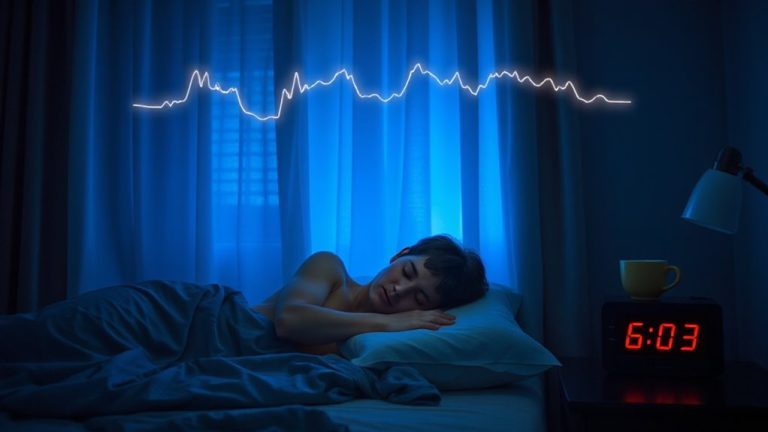
Even if you feel sleepy shortly after drinking, alcohol starts interfering with your sleep architecture within 20 minutes, cutting into the deep sleep stages your body needs to recharge. Your brain wave disruption begins almost immediately, weakening the slow, synchronized patterns essential for restorative rest. Instead of progressing smoothly into deep sleep, your brain reacts to the presence of alcohol with erratic signaling, making sustained, quality sleep unlikely. This also triggers brief blood sugar spikes, which can further destabilize your internal balance and reduce sleep quality. Though you may fall asleep fast, the structure of that sleep is fragile and less effective. Choosing a short nap without alcohol supports better brain function and recovery. If daytime fatigue persists, consider evaluating sleep habits, environment, or consulting a professional for guidance on healthy sleep aids and routines backed by evidence.
Why You Wake Up Fuzzy After a Drunk Nap
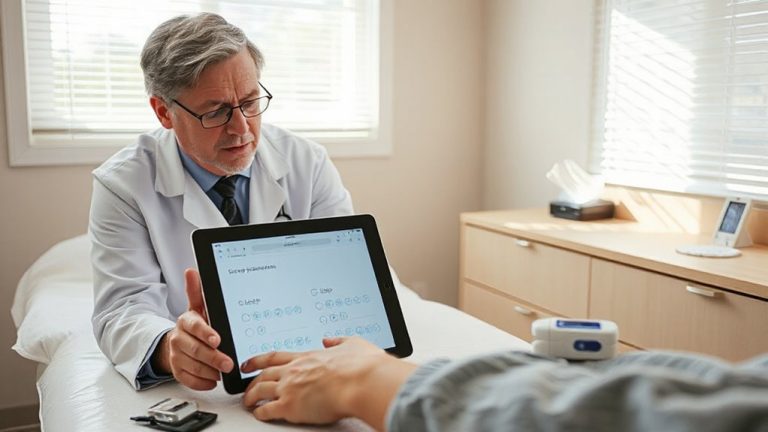
What makes your mind feel clouded after dozing off with alcohol in your system? Alcohol disrupts your brain chemistry, interfering with neurotransmitters that regulate mood, cognition, and alertness. When you wake up from a drunk nap, you’re likely experiencing stronger sleep inertia-the groggy, disoriented feeling that’s usually mild but gets worse when alcohol distorts your sleep cycle. This happens because alcohol may help you fall asleep quickly but degrades sleep quality, especially in the second half of your nap. As your body processes the alcohol, your brain doesn’t shift smoothly between sleep stages, leaving you unfocused and slow to respond. You’re not just tired-you’re dealing with impaired neural recovery. For better alertness, avoid alcohol before napping. If grogginess persists, consider tracking sleep patterns or consulting a sleep specialist to rule out underlying issues.
What Your Body Does During an Alcohol Nap
How does your body react when you nap with alcohol in your system? While you rest, your liver prioritizes alcohol metabolism, slowing liver detoxification and delaying other recovery processes. Instead of restoring energy, your body diverts resources to break down alcohol, reducing sleep quality. Your brain isn’t resting either-alcohol disrupts normal sleep cycles, impairing brain recovery and limiting REM sleep. Though you might feel drowsy, your central nervous system stays active processing toxins. Sleep stages become fragmented, which can worsen fatigue. This imbalance affects how well you’ll function afterward, especially during daytime hours. While a nap should recharge you, adding alcohol undermines its purpose. Even small amounts influence how deeply your body restores itself. Understanding these effects helps inform your choices about sleep, especially if you’re managing fatigue or considering sleep aids. Opting for alcohol-free rest supports more effective recovery.
Smart Ways to Unwind Before a Nap Without Drinking
You’ve seen how alcohol can disrupt your body’s recovery during a nap, interfering with sleep quality and taxing your liver even as you try to rest. Instead of drinking, try mindful breathing to signal your nervous system it’s time to slow down. A few minutes of slow, deep inhales and exhales can reduce tension and ease your mind. Guided meditation is another reliable option-apps or recordings walk you through relaxation techniques, helping shift focus from daily stress to bodily calm. These methods don’t require tools or prescriptions, just a quiet space and willingness to try. Unlike alcohol, they carry no side effects or withdrawal risks. While results may vary, consistent use improves nap readiness over time. Some people notice benefits after just a few tries, making these techniques low-cost, accessible choices for better rest. Consider testing both to see which fits your routine best.
How to Stay Alert After a Nap: No Alcohol Needed
Why do some people feel groggy after a nap, while others wake up sharp and ready? It often comes down to hydration balance and light exposure. You’re more likely to stay alert if you drink water before lying down-dehydration worsens fatigue. Sipping a glass upon waking helps reset your system. Also, exposing yourself to bright light right after rising signals your brain that it’s time to be awake. Open a curtain or step outside; natural light works best. Keep naps short-20 to 30 minutes-to avoid deep sleep cycles that lead to grogginess. These steps don’t require sleep aids or prescriptions, just small, consistent habits. If grogginess persists despite good hydration balance and light exposure, consider tracking sleep patterns or discussing concerns with a healthcare provider. Simple adjustments often improve outcomes.
On a final note
You’ll sleep deeper and wake clearer if you skip alcohol before napping. Booze may make you drowsy fast, but it disrupts rest within minutes, blocking the recovery your body needs. For better results, try quiet time, light stretching, or a short walk instead. These habits support natural alertness without side effects. Over time, they’re more reliable than any quick fix. Your energy and focus will respond well to consistent, clean rest.