How Certain Foods Can Induce Insomnia or Improve Sleep Patterns
Caffeine in coffee, chocolate, or energy drinks can delay sleep, especially if you’re sensitive or consume them late. Heavy, spicy, or sugary foods near bedtime may disrupt rest, too. Opt instead for sleep-friendly choices like almonds, bananas, or tart cherry juice, which support melatonin and muscle relaxation. Eating 2–3 hours before bed gives digestion time to settle. Small, balanced snacks beat large meals. Your diet shapes sleep patterns more than you might think-there’s more to discover about making it work for you.
Notable Insights
- Caffeine in coffee, chocolate, and energy drinks can delay sleep onset, especially when consumed late in the day.
- Sugary and refined carbohydrate-rich foods spike blood sugar, increasing nighttime wakefulness and disrupting sleep.
- Tart cherry juice, bananas, and almonds naturally boost melatonin and provide sleep-supporting nutrients like magnesium and tryptophan.
- Eating heavy meals close to bedtime slows digestion and raises the risk of heartburn and restlessness.
- Light, balanced snacks such as oatmeal or banana with peanut butter promote sleep when consumed 2–3 hours before bed.
Foods That Cause Insomnia
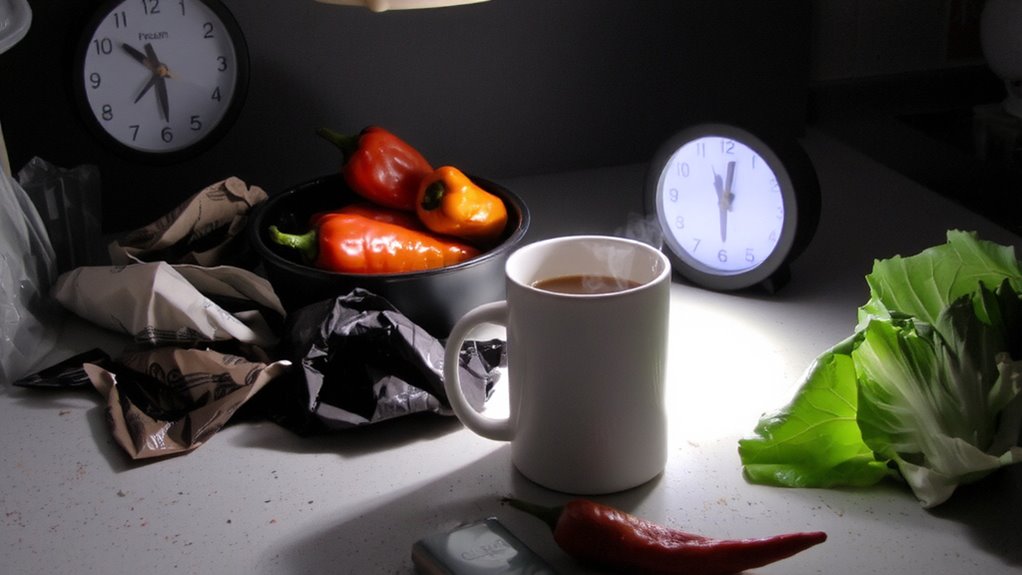
Ever wonder why you’re tossing and turning at night? Your diet might be to blame. Foods and drinks high in caffeine can disrupt sleep, especially if you have caffeine sensitivity. Even afternoon coffee or dark chocolate may keep you awake hours later. You might not feel jittery, but your body could still respond to the stimulant. Energy drinks and sodas often pack both caffeine and sugar, leading to sugar spikes that briefly boost energy before crashing-this rollercoaster affects your ability to stay asleep. Late-night snacks loaded with refined carbs act similarly, spiking blood sugar and triggering wakefulness. Heavy meals before bed slow digestion, making rest uncomfortable. Alcohol, while initially sedating, interrupts sleep cycles later in the night. Watching what you eat-and when-can improve sleep quality without medication or gadgets. Simple shifts in timing and choice often bring better results than sleep aids. Certain foods like almonds, kiwi, and chamomile tea have been linked to improved sleep due to their natural levels of sleep-promoting nutrients.
Best Sleep-Boosting Foods (And Why)
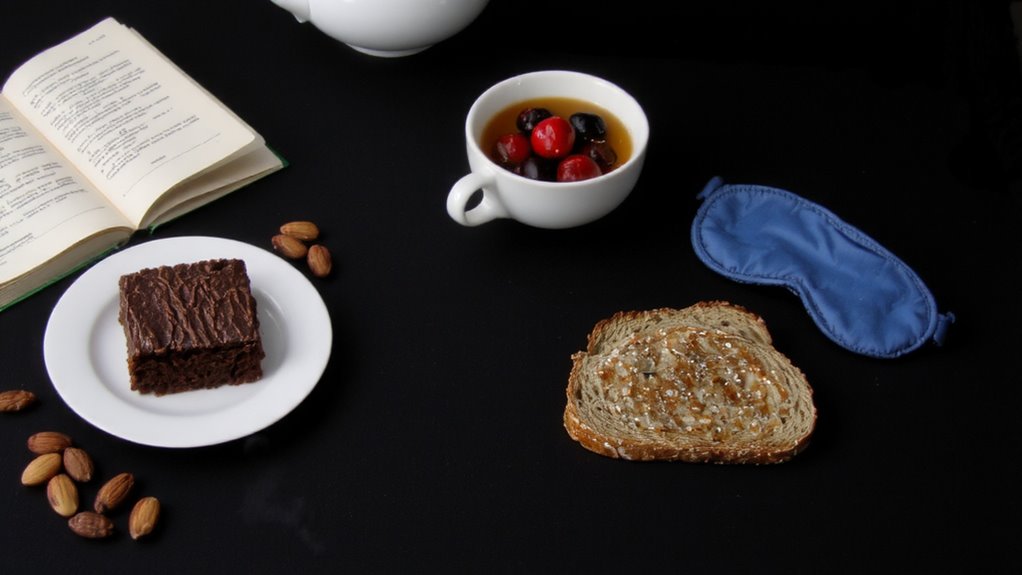
While not everyone reacts the same way, certain foods can gently support better sleep by influencing your body’s natural rhythms. If you’re looking for natural ways to ease into rest, consider melatonin rich snacks and tryptophan sources. These help your brain produce sleep-regulating chemicals without the side effects some sleep aids carry. Including a best sleep-promoting food in your evening routine may enhance sleep quality over time. Below are options that balance nutrition, accessibility, and effectiveness.
| Food | Benefit | Reason |
|---|---|---|
| Tart cherry juice | Melatonin rich snack | Naturally boosts melatonin levels |
| Bananas | Tryptophan source | Provides potassium and magnesium, aiding muscle relaxation |
| Almonds | Dual support | Contain both tryptophan and healthy fats that stabilize blood sugar |
These foods work subtly, so consistent, moderate use delivers better results than one-time trials. They’re not cures for sleep disorders, but they can be part of thoughtful, non-medical support.
Best Time to Eat for Better Sleep
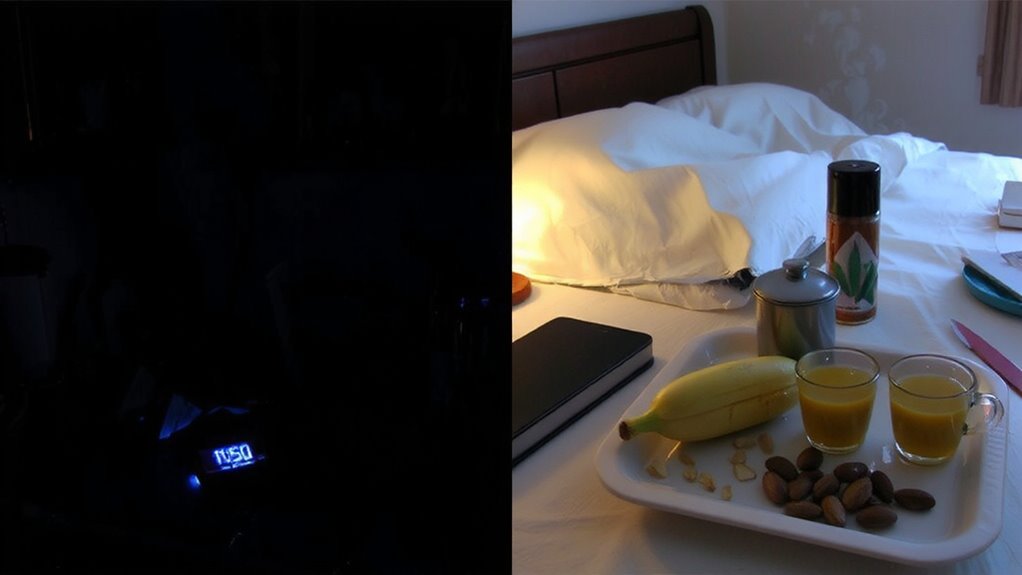
When should you eat to support better sleep? Meal timing plays a key role in how well you rest. Eating too close to bedtime can disrupt sleep, especially if the meal is large or rich in fat, since slower digestion speed keeps your body active when it should wind down. Ideally, finish eating 2–3 hours before bed. This gap gives your stomach time to process food, lowering the chance of heartburn or restlessness. Lighter meals digest faster, so choosing those in the evening helps. If you’re hungry late, a small, simple snack is better than a full meal. Paying attention to meal timing doesn’t cure sleep disorders, but it may reduce reliance on sleep aids. Over time, consistent habits could improve sleep patterns. Try adjusting your schedule gradually and track changes. Results may vary, but many find better rest with smarter eating times.
Easy Swaps for Better Sleep
What if better sleep started with something as simple as swapping your afternoon snack? Choosing a handful of almonds instead of sugary chips can make a difference, thanks to magnesium and healthy fats that help regulate sleep. You don’t need big dietary changes-small adjustments in meal timing matter just as much. Try shifting dinner earlier, finishing at least two to three hours before bed, to avoid digestive disruptions. If you need bedtime snacks, opt for light options like banana with a spoon of peanut butter or a small bowl of oatmeal, which support melatonin production. Heavy or spicy foods late at night can interfere, so balance is key. These practical swaps fit easily into your routine and support better sleep without drastic effort. You can test one change at a time, observing what works best for your body.
How Your Diet Affects Your Sleep
Though you might not think of your plate as part of your sleep routine, what you eat plays a direct role in how well you rest. Poor meal timing-like eating heavy meals late-can disrupt your sleep cycle, making it harder to fall or stay asleep. When you skip meals or eat inconsistently, you might also experience stronger food cravings, especially for sugary or caffeinated snacks that interfere with rest. Your body relies on steady fuel, and balanced intake throughout the day supports stable blood sugar, which helps regulate sleep hormones. Choosing whole grains, lean proteins, and healthy fats can reduce nighttime awakenings. If you’re struggling with sleep issues, consider tracking your eating patterns alongside your sleep. Small changes in diet, like finishing dinner earlier or curbing evening cravings with herbal tea, may improve sleep quality without immediate need for sleep aids.
On a final note
You can improve sleep by choosing foods that support your body’s natural rhythms and avoiding those that disrupt them. Timing meals matters-eat sleep-friendly foods like bananas or oats a few hours before bed. Swapping caffeine or heavy dinners for lighter, balanced options may reduce insomnia risks. These small changes won’t replace medical treatment for sleep disorders, but they can help manage symptoms. Try adjustments slowly, track results, and consult a provider if sleep problems persist.