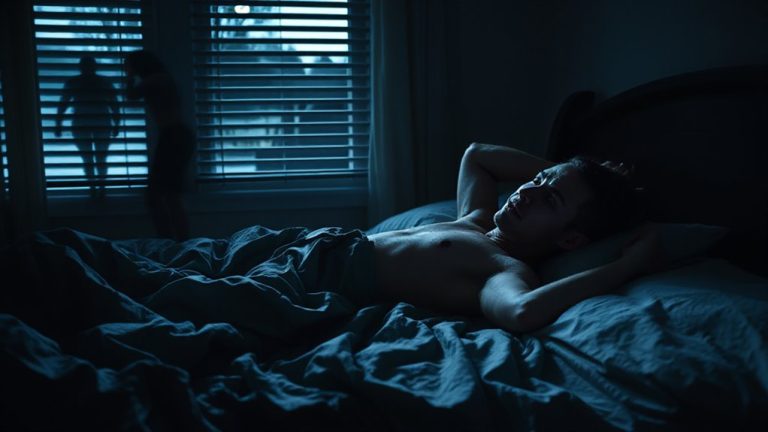
Exploring Hypnagogic Hallucinations: The Weirder Side of Drowsiness
You might hear whispers or feel like you’re falling as you drift off-those are hypnagogic hallucinations, normal in-between moments as your brain shifts toward sleep. They’re often brief and harmless, especially if stress or irregular sleep plays a role. Sticking to a consistent bedtime, reducing screen use, and calming your mind can help. If episodes become frequent or unsettling, it may be worth checking for underlying sleep issues. More insights are ahead.
Notable Insights
- Hypnagogic hallucinations occur during the transition into sleep and involve vivid, dream-like sensory experiences.
- Common sensations include hearing voices, feeling falls or jerks, and seeing lights or shadowy figures near visual edges.
- These hallucinations happen as the brain shifts from wakefulness to sleep and fills sensory gaps with imagined perceptions.
- Episodes are usually brief and harmless but can be more frequent with stress, fatigue, or irregular sleep patterns.
- While typically normal, frequent or distressing hallucinations may warrant evaluation for sleep or mental health disorders.
What Are Hypnagogic Hallucinations?
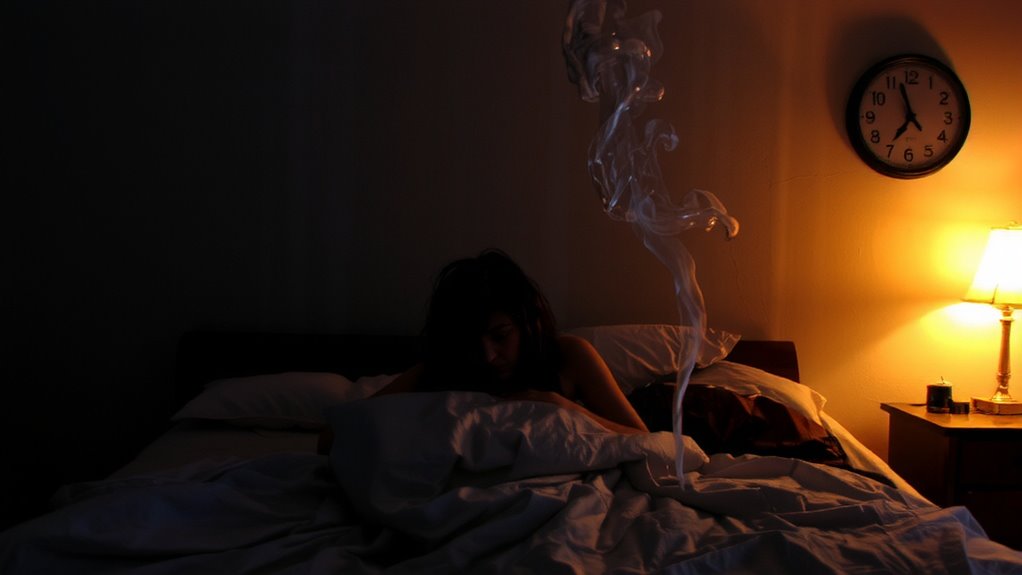
Picture waking up to a flickering shadow in the corner of your room, hearing a distant voice call your name, or feeling like you’re falling through the bed-only to realize none of it was real. That’s a hypnagogic hallucination, happening as you drift into or out of sleep. These vivid sensory experiences can feel real but occur when your brain’s still between wakefulness and dreaming. You might mistake them for *lucid dreaming*, but unlike that, you’re not in control. In some cases, they overlap with *sleep paralysis*, where you’re awake but can’t move. They’re usually brief and harmless, though frequent episodes could signal sleep disruptions or disorders like narcolepsy. Monitoring your sleep patterns helps identify triggers. Improving sleep hygiene-consistent bedtimes, reduced screen time-may reduce episodes. Consider tracking symptoms before trying sleep aids, as some may worsen disruptions. A doctor can help evaluate risks and recommend safe options based on your needs and medical history.
Common Hypnagogic Experiences: From Voices to Falling
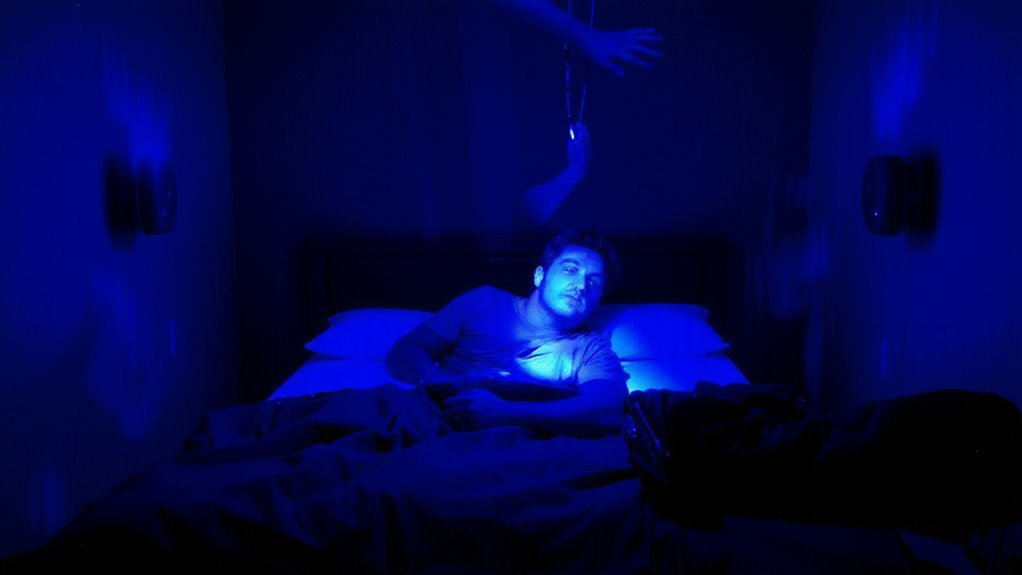
Have you ever heard someone call your name just as you’re drifting off, only to realize the room is silent? That’s a common hypnagogic experience. You might also feel sudden jerks, as if falling from a height, or notice floating sensations that mimic slow drifting through space. Some people see vivid images-like lights or patterns-while others report shadow figures moving at the edge of their vision, often near the bedroom walls or doorway. These occurrences happen as your brain shifts between wakefulness and sleep, blending reality with dream-like fragments. They’re usually brief and harmless, though startling. If these episodes happen often or disrupt your rest, consider tracking them in a sleep journal. That record can help you and a healthcare provider assess whether changes in sleep habits, stress levels, or underlying sleep disorders might be involved.
Why Your Brain Hallucinates As You Fall Asleep
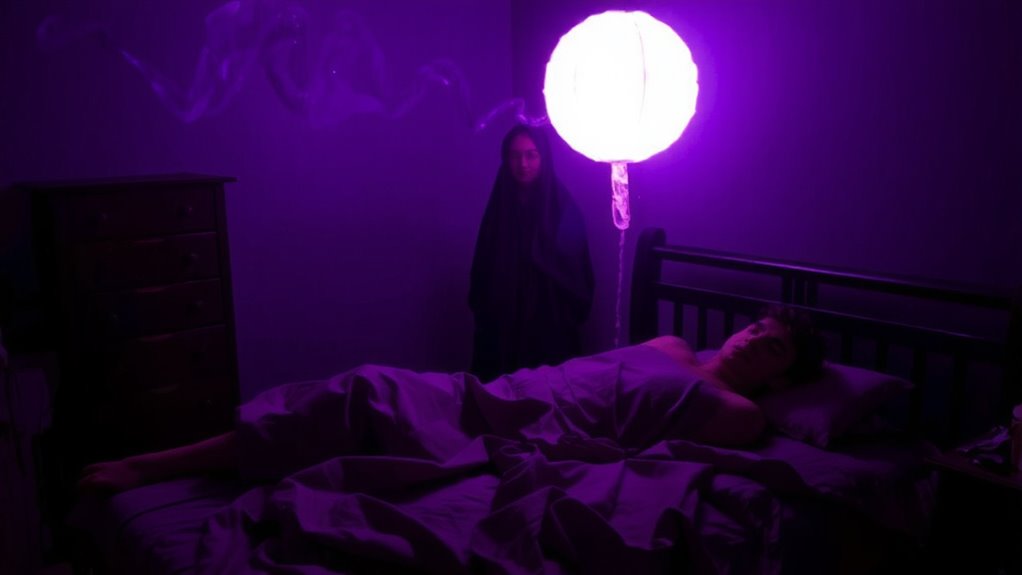
Your brain doesn’t shut off all at once when you start to fall asleep-it winds down in stages, and that shift between being awake and asleep is where hypnagogic hallucinations occur. As your awareness fades, sensory drift happens: input from the outside world dims, and your brain fills gaps with impressions, sounds, or images. This state mixes wakefulness with early sleep, making you prone to vivid, dream-like moments. Neural noise-random signals in your brain’s circuitry-gets misinterpreted as real sensations, like buzzing, falling, or voices. These aren’t dreams yet, but fragments your brain tries to make sense of. You might experience them more if tired, stressed, or without a steady sleep routine. While not usually harmful, choosing consistent sleep hours, reducing screen time before bed, and managing stress may lower how often they appear. Some find relief through relaxation or better sleep hygiene, though no special aids or treatments are typically needed.
When to Worry About Hypnagogic Hallucinations?
When do these fleeting images or sounds cross the line from normal to something worth checking? If they happen often, feel intense, or make falling asleep stressful, it’s time to pay closer attention. While hypnagogic hallucinations are usually harmless, frequent episodes can signal underlying sleep disorders like narcolepsy or insomnia. They’re also sometimes linked to mental health conditions, especially if you notice mood changes, anxiety, or confusion during wakefulness. Consider tracking when they occur and what they involve-this helps doctors spot patterns. Don’t ignore them if they disrupt your sleep routine or leave you tired during the day. A sleep study might be recommended to rule out disorders. Talking to a healthcare provider gives you clearer insight, especially if there’s a family history of sleep or mental health concerns. Early evaluation supports better sleep and overall well-being.
How to Reduce Disturbing Hypnagogic Episodes
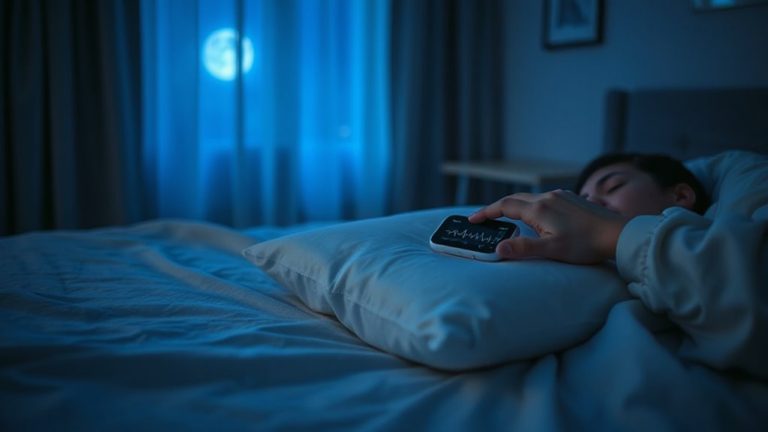
Noticing a pattern in your hypnagogic experiences means it’s time to explore ways to lessen their impact. Improving your sleep hygiene can make a real difference-stick to a consistent sleep schedule, limit screens before bed, and create a quiet, dark sleeping environment. These steps help regulate your sleep cycle, reducing the chances of unusual drowsy-state episodes. Stress management is equally important; high stress or anxiety can trigger or worsen hypnagogic events, so techniques like mindfulness, deep breathing, or journaling may help. If sleep disruptions continue, consider talking to a doctor about possible underlying sleep disorders. Some people benefit from short-term use of sleep aids, but these come with trade-offs like dependency or grogginess. Always weigh the trial period, warranty on devices like sleep trackers, and professional guidance before deciding. Small, consistent changes often bring the most lasting results. Optimizing your bedroom environment with the right best sleep comfort solutions can further enhance sleep quality and reduce the frequency of disruptive hypnagogic episodes.
On a final note
You might experience hypnagogic hallucinations as your brain shifts between wakefulness and sleep, often involving sounds, visions, or sensations like falling. While usually harmless, frequent or distressing episodes could signal sleep disorders like narcolepsy. Improving sleep hygiene-consistent schedules, reduced screen time, stress management-can help reduce them. If disruptions persist, consult a professional to explore underlying causes or safe interventions, including therapy or approved sleep aids, many of which offer trial periods and clear usage guidelines.