Exploring the Role of Natural Supplements in Treating Common Sleep Disorders
You might find natural supplements helpful if you struggle to fall or stay asleep, especially when stress or mild disruptions affect your rhythm. Options like melatonin, valerian root, or magnesium glycinate work with your body’s sleep cycle, calming the mind or supporting deeper rest. They’re not magic, and results can take days to weeks. Watch for interactions with medications, and start low to assess your response-your best match depends on your symptoms and health. There’s more to contemplate about timing, combinations, and safety.
Notable Insights
- Natural supplements like valerian root and melatonin may improve sleep onset and quality in mild insomnia cases.
- These supplements support the body’s natural sleep-wake cycle without inducing sleep artificially.
- Magnesium glycinate promotes deeper sleep by calming the nervous system, especially in deficient individuals.
- Effects often require consistent use for several days to weeks, not immediate results.
- Potential risks include medication interactions, overuse side effects, and contraindications in certain health conditions.
Which Sleep Problems Can Natural Supplements Help?
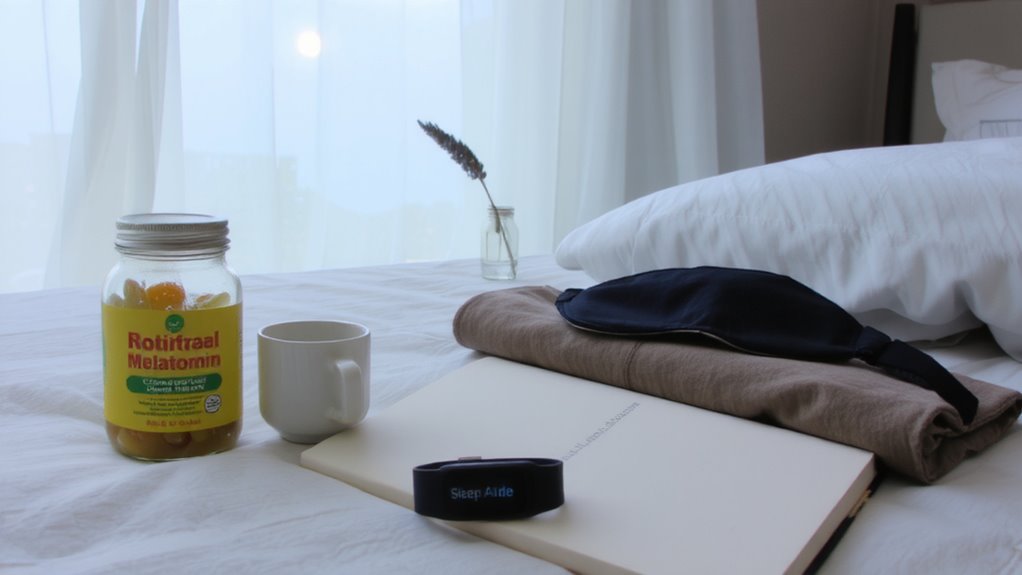
What if your sleep struggles could be eased without relying on prescription medications? Natural supplements may help when you have trouble with sleep onset or staying in deep sleep long enough to feel rested. If you often lie awake for hours or wake up tired, these options could support your body’s natural rhythms. Some supplements are designed to calm your mind, making it easier to drift off, while others aim to extend the time you spend in restorative deep sleep. They don’t work the same for everyone, and results can take a few nights to notice. Most are available over the counter, often with a 30-day trial, so you can test them without long-term commitment. Still, check with your doctor first, especially if you have a diagnosed sleep disorder. Supplements may help mild cases but aren’t always enough for more serious conditions. For those exploring options, reviewing a comprehensive buying guide can help identify effective formulations based on individual sleep needs.
How Natural Sleep Supplements Work

While your body has its own sleep-wake cycle, natural supplements can help support that rhythm when life throws it off track. They work by influencing brain chemicals and bodily processes tied to sleep. For example, melatonin mechanisms involve boosting your body’s natural melatonin, a hormone that signals it’s time to rest, especially when your schedule’s disrupted. Other supplements use herbal interactions, like how valerian or passionflower may affect GABA, a neurotransmitter that calms nerve activity. These compounds don’t force sleep but may gently encourage relaxation. Effects vary based on dosage, timing, and your unique biology. Some work within hours, while others need consistent use. Since supplements aren’t tightly regulated, choosing tested brands helps guarantee purity and dosage accuracy. You’ll want to monitor your response, adjust as needed, and consult a healthcare provider if you’re on other meds. A variety of options are available, including top-rated natural sleep aids that support restful nights.
Top Evidence-Backed Natural Sleep Supplements

When it comes to restful nights, a handful of natural supplements stand out due to solid research backing their use. You might find valerian root helpful-it’s been studied for improving sleep quality and reducing how long it takes to fall asleep. The effects build over time, so consistent use for a few weeks is usually needed. Another solid option is magnesium glycinate, a form of magnesium that’s easier on the stomach and may support deeper sleep by calming the nervous system. It’s been shown to help people with restless sleep, especially if they’re low in magnesium. These supplements aren’t quick fixes, but with patience, they can make a noticeable difference. Always check labels for dosage and purity, and consider trying one at a time to see how well it works for you. A well-rounded approach may include best sleep supplements for better rest that combine multiple evidence-backed ingredients for enhanced efficacy.
When Supplements Could Do More Harm Than Good
Some natural supplements can improve sleep, but they aren’t right for everyone and might cause more harm than benefit in certain situations. If you’re taking prescription medications, even common ones like blood thinners or antidepressants, you could face serious medication interactions. For example, valerian or melatonin might amplify sedative effects, leading to drowsiness or impaired coordination. Overdose risks also exist-more isn’t always better, and too much melatonin can disrupt your sleep cycle or cause headaches. Certain supplements may worsen conditions like liver disease or autoimmune disorders. You should talk to your doctor before starting any supplement, especially if you have health issues or take other meds. A small trial dose can help gauge tolerance, but professional guidance reduces risk. Knowing these factors helps you make safer, more informed choices.
How to Match a Sleep Supplement to Your Symptoms
What kind of sleep trouble are you actually having? If falling asleep is the issue, you might struggle with sleep onset, and supplements like melatonin or L-theanine could help signal bedtime to your body. These often work within 30 to 60 minutes and are ideal for occasional use. If you wake up often during the night or can’t stay asleep, you’re dealing with sleep maintenance. In that case, magnesium or valerian root might support deeper, more continuous rest. Some blends combine ingredients to address both sleep onset and sleep maintenance. Start with the lowest effective dose and track results for at least a week. Keep in mind that effectiveness varies, and consistent sleep habits still play a key role. Always check with a healthcare provider, especially if you’re on other meds.
On a final note
You can try natural supplements if you have trouble falling or staying asleep, but results vary. Look for options like melatonin or magnesium, which studies support for specific sleep issues. Always check with your doctor first, especially if you take other meds. Start with the lowest effective dose and track your sleep for a few weeks. A good brand offers clear labeling, third-party testing, and a return policy if it doesn’t work for you.