Why Advanced Sleep Phase Disorder Is More Common in Older Adults
You’re more likely to experience advanced sleep phase disorder as you age because your internal clock shifts earlier, partly due to natural changes in melatonin release and body temperature rhythms. Aging eyes let in less light, weakening signals that regulate your sleep-wake cycle. Genetics can also play a role, with certain gene variants speeding up circadian timing. Using evening light therapy, adjusting light exposure, and timing melatonin carefully may help manage symptoms-you’ll find practical strategies worth trying just ahead.
Notable Insights
- Aging causes a natural advance in circadian rhythm, leading to earlier sleep and wake times.
- Melatonin is released earlier in older adults, increasing evening sleepiness and promoting early sleep onset.
- Age-related changes in the eye reduce light transmission, weakening circadian regulation by daylight.
- Genetic factors like PER2 or CK1δ mutations can accelerate circadian timing, exacerbating early sleep tendencies.
- Reduced light sensitivity and faster sleep pressure buildup contribute to advanced sleep phase in seniors.
What Is Advanced Sleep Phase Disorder?
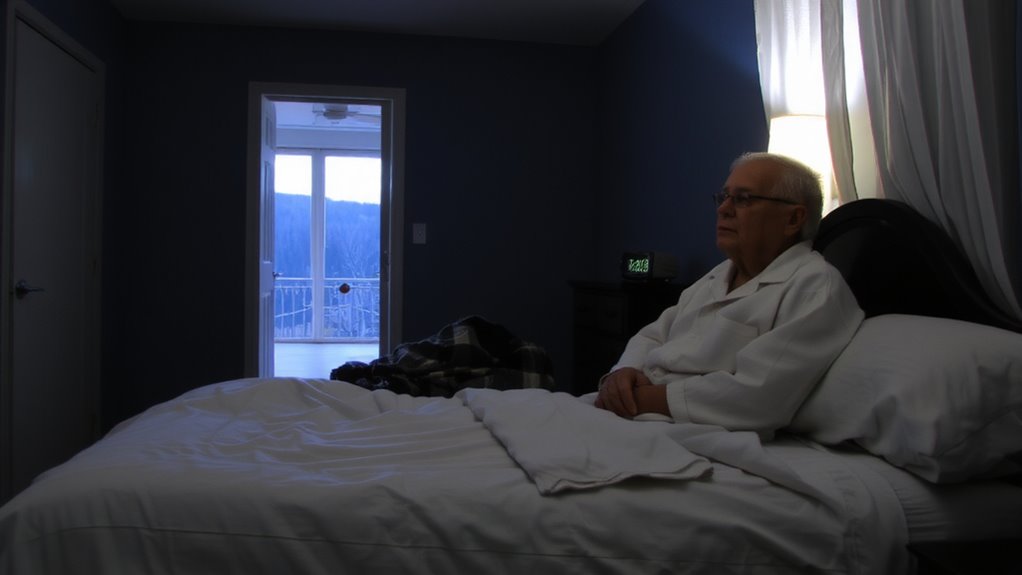
Have you noticed that you’re feeling sleepy long before your usual bedtime, or waking up hours earlier than planned-with no way to stay asleep? If so, you might be experiencing advanced sleep phase disorder (ASPD). This condition shifts your sleep patterns earlier than normal, meaning you fall asleep and rise earlier than desired. It’s tied to changes in your circadian rhythm-the internal clock that regulates sleep and wake cycles over 24 hours. With ASPD, your body signals it’s time to sleep as early as 6–8 p.m. and wakes you at 2–4 a.m. While harmless for some, it can disrupt social or work routines. You can manage it with light therapy, scheduled activities, or adjusting exposure to evening light. Some try melatonin under medical guidance. Diagnosis usually involves a sleep diary or actigraphy. Knowing your options helps you decide if changes to habits or sleep aids are worth trying.
Why Aging Shifts Your Body Clock Earlier
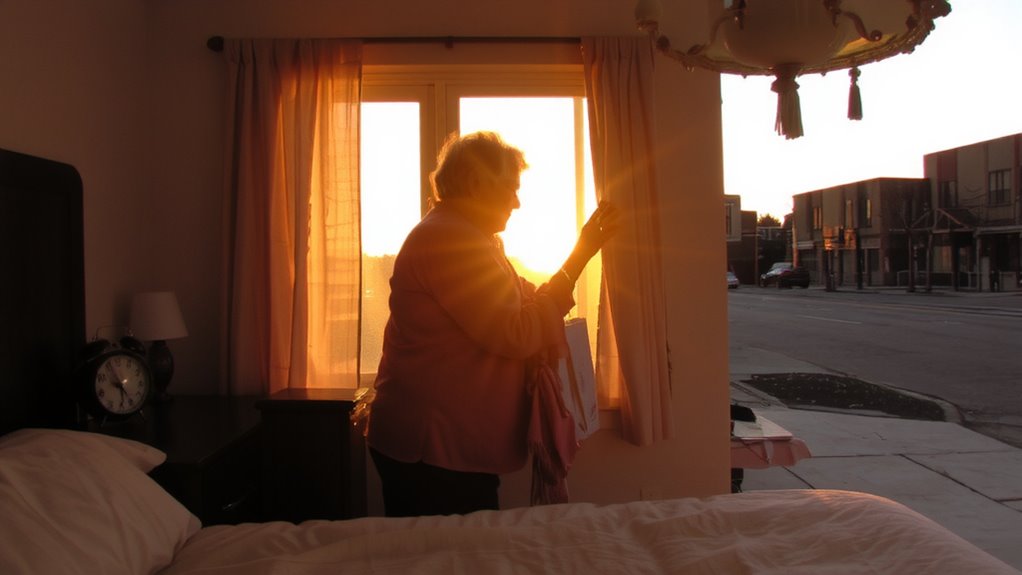
What makes your internal clock tick faster as you age? It’s mainly due to natural changes like circadian drift and shifts in melatonin timing. As you get older, your body starts releasing melatonin earlier in the day, which signals sleepiness sooner. This shift contributes to advanced sleep phase disorder in many seniors.
| Factor | Effect on Sleep |
|---|---|
| Circadian drift | Clock advances by 20–30 mins per decade |
| Melatonin timing | Released earlier, increasing evening sleepiness |
| Body temperature drop | Occurs earlier, promoting earlier sleep |
| Light sensitivity | Reduced, weakening circadian signals |
| Sleep homeostasis | Builds faster, increasing sleep pressure |
These changes mean you may feel tired by 7 or 8 p.m. Recognizing this pattern helps you adjust routines, evaluate sleep aids, or consult a specialist with useful context.
How Light Exposure Triggers Early Sleep in Seniors
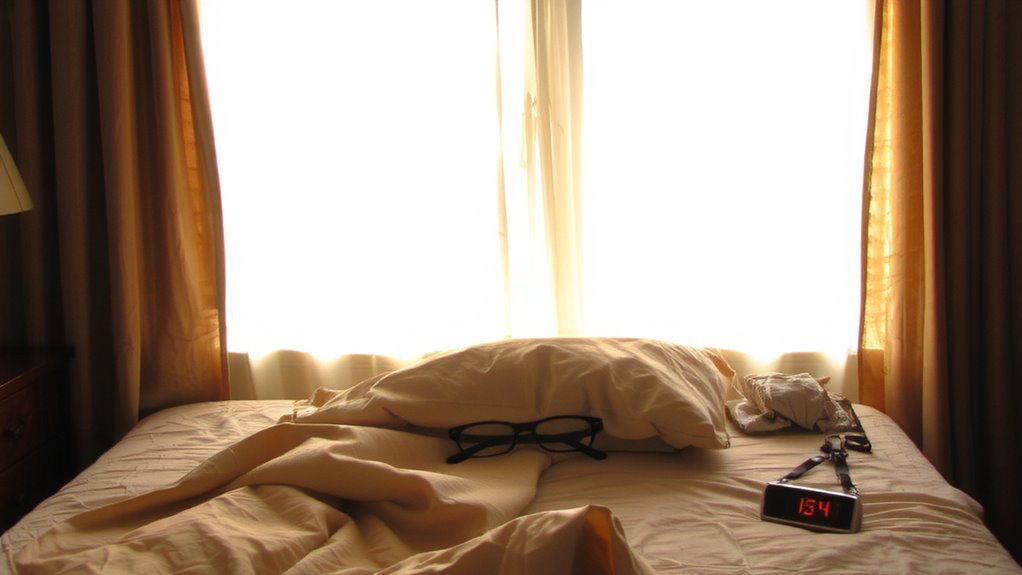
Your body’s changing response to light plays a key role in why sleep comes earlier as you age, building on the circadian shifts already discussed. As you get older, your eyes let in less light, and your brain’s reaction to daylight weakens, which shifts your melatonin timing earlier in the day. This means you feel sleepy sooner, even if your schedule hasn’t changed. When your internal clock runs ahead of social or family routines, it can lead to circadian misalignment-feeling tired at 7 p.m. but awake at 3 a.m. Getting bright light in the evening, especially from lamps or screens, may help delay your sleep onset slightly. Outdoor morning light exposure should be limited to avoid reinforcing early rising. Adjusting light patterns can gently reshape your rhythm. Consider light therapy boxes with 10,000 lux, used for 20–30 minutes in the early evening. Most come with a 30-day trial and a two-year warranty. These changes support better sleep timing without medication. Using warm-colored best light bulbs for sleep in the evening can further minimize circadian disruption.
Genes That Lead to Advanced Sleep Phase Disorder
While age-related changes in light sensitivity help explain early sleep times, some people are wired from the start to run on an earlier schedule because of their genes. Specific genetic mutations affect your body’s internal clock, leading to circadian variants that shift sleep times. You may carry a variant without knowing it, only noticing when your routine clashes with social or family life.
| Feeling | When It Happens |
|---|---|
| Loneliness | Missing evening gatherings |
| Frustration | Unable to stay up for dinner |
| Relief | Finding others with the same pattern |
| Hope | Learning it’s genetic, not personal |
These circadian variants aren’t flaws-they’re differences. Genetic mutations in genes like PER2 or CK1δ can accelerate your rhythm. Testing exists, though it’s not always needed. Understanding your biology helps you make informed choices about sleep timing, light use, or possible therapies without rushing to medication.
How Seniors Can Manage Early Sleep and Wake Times
If you’re waking up too early or feeling sleepy well before dinner, adjusting your routine might help you better align with daily demands. Improving sleep hygiene can make a noticeable difference-keep your bedroom cool, dark, and quiet, and avoid screens at least an hour before bed. Try to wind down with a consistent routine, like reading or gentle stretching. Exposure to bright light in the evening, especially from lamps or light boxes, may delay your internal clock and help you stay awake longer. Conversely, morning light should be limited if you’re trying to shift your schedule later. Timing matters with medication timing-taking certain prescriptions too late can disrupt sleep patterns. Some medications affect alertness or melatonin levels, so review dosing times with your doctor. Small, consistent changes often work better than drastic shifts, so experiment gradually and track what works. Using a wake-up light that mimics sunrise can help regulate circadian rhythms, especially when natural light exposure is limited in the morning, making wake-up lights a practical tool for managing early wake times.
On a final note
You might notice sleep shifting earlier as you age, and that’s often due to natural changes in your body clock. While light patterns and genetics play roles, adjusting daily routines can help. Consider timed light exposure, consistent bedtimes, and consulting a doctor before using sleep aids. Many find relief with small, deliberate changes, and some treatments come with trial periods or warranties. Pay attention to your sleep cues-they guide better decisions.