How to Create a Stimulating Evening Routine for Advanced Sleep Phase Disorder
You can shift your sleep schedule later by using bright evening light, especially cool-toned or blue-enriched light, for 2–3 hours after sunset to delay melatonin release. Pair this with light physical activity or mental stimulation like puzzles or learning. Eat dinner around 7:30 or 8 p.m. to stay alert. Gradually delay bedtime by 15–30 minutes every few days, stay consistent, and avoid naps. More strategies follow.
Notable Insights
- Expose yourself to bright, blue-enriched light in the evening to delay melatonin release and push back sleep onset.
- Engage in light physical activity, like walking or strength training, to maintain evening alertness without overexertion.
- Schedule dinner between 7:30 and 8:00 p.m. with balanced nutrition to support sustained energy and delay sleepiness.
- Incorporate mentally stimulating activities such as reading, puzzles, or learning to keep the brain engaged later in the evening.
- Gradually delay bedtime by 15–30 minutes every few days while maintaining consistent wake times to reset your circadian rhythm.
What Is Advanced Sleep Phase Disorder?
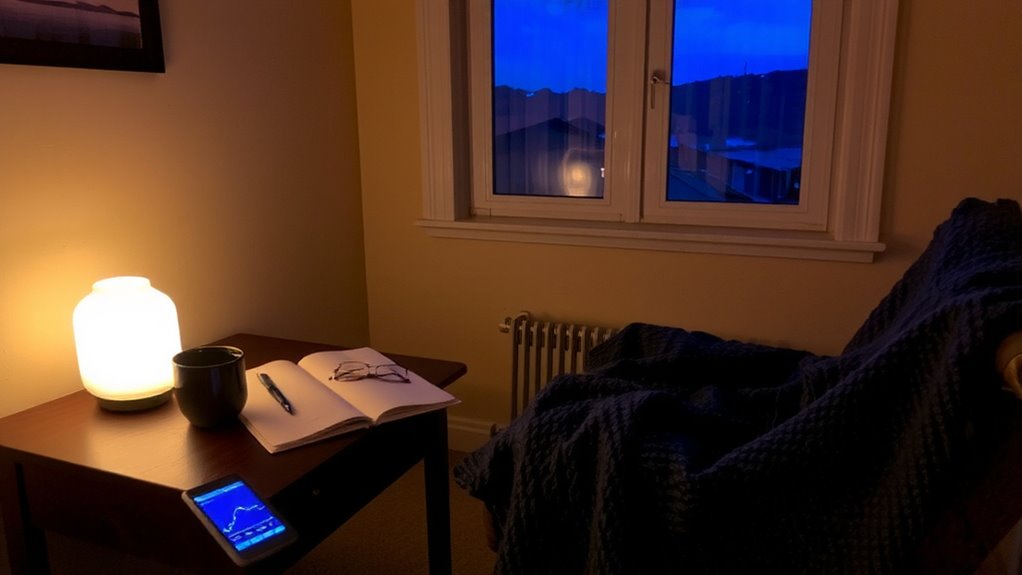
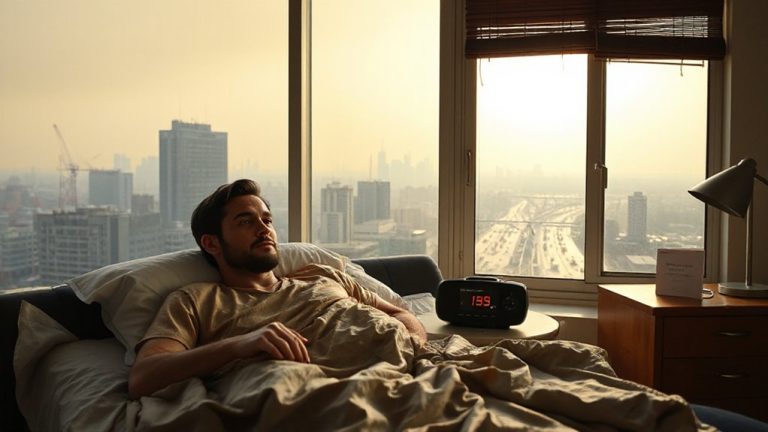
Though you might not have heard of it before, advanced sleep phase disorder (ASPD) is a circadian rhythm condition that shifts your natural sleep pattern earlier than typical, making you feel sleepy and ready for bed much sooner in the evening-sometimes as early as 6 to 8 p.m.-and causing you to wake up in the early morning hours, often between 2 and 5 a.m., whether you want to or not. This circadian misalignment can disrupt daily routines, especially social or work commitments that extend into the evening. Research suggests a genetic predisposition, meaning it may run in families. While not dangerous, it can affect quality of life if left unmanaged. Diagnosis usually involves sleep logs or actigraphy to track your pattern over time. Understanding ASPD helps you consider appropriate steps-like light therapy or adjusting routines-based on evidence, not guesswork. You’re better equipped to explore options with your doctor, weigh benefits, and choose solutions fitting your life and sleep goals.
Use Evening Light to Stay Awake Longer
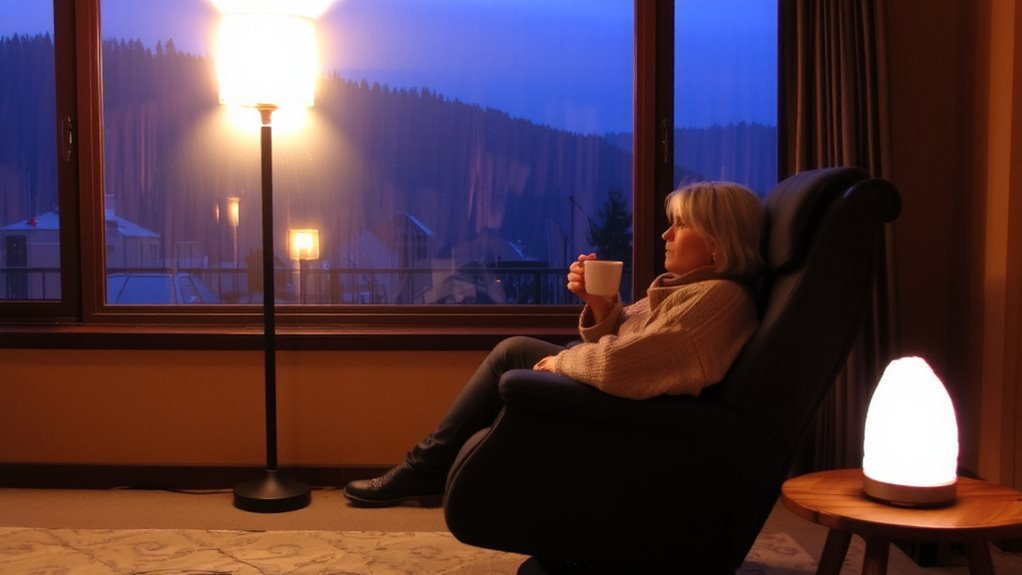
Why do you feel so tired by early evening? Your body’s internal clock may be shifting forward, making you sleepy sooner. To stay awake longer, use evening light strategically. Bright light in the early night can delay melatonin release, helping you stay alert. Swap cool, blue-toned lights for amber lighting in lamps and overhead fixtures-it’s less disruptive but still effective for maintaining wakefulness. Adjust your screen brightness upward in the hours before bed, especially on phones, tablets, or computers. Many devices offer night modes that reduce blue light while letting you keep the screen bright enough to stay engaged. Start brightening your environment right after sunset and maintain it for 2–3 hours. This light exposure helps shift your sleep phase later over time. Try these lighting strategies consistently for at least a week to assess their impact. For more targeted results, consider using a dedicated wake-up light device that simulates natural light patterns.
Do Alertness-Boosting Activities at Night
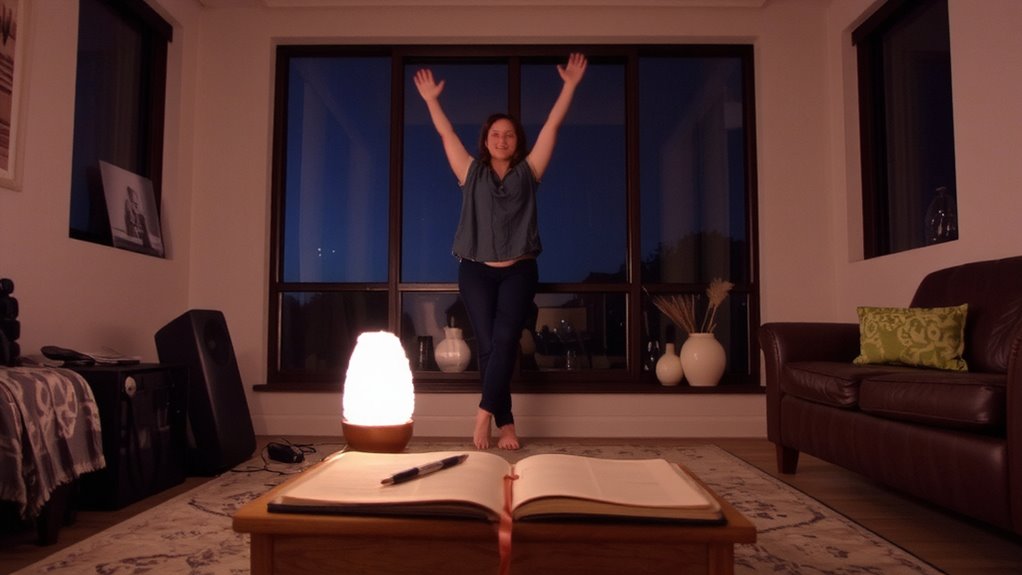
Bright lighting helps delay drowsiness, but staying awake later also depends on what you do once the sun goes down. Engaging in nighttime exercise, like light strength training or brisk walking, can boost alertness and shift your body’s sleep signal later. Just avoid intense workouts within an hour of bedtime, as they might interfere with falling asleep. Pair physical activity with consistent mental stimulation-try puzzles, reading, or learning a new skill. These activities support sustained wakefulness by activating brain function. You don’t need extreme changes; even small adjustments in engagement level can make a difference over time. Start with 20-minute blocks of activity and adjust based on how you feel. Track your response over a few weeks to see what works best. Combining nighttime exercise and mental stimulation may help retrain your internal clock, but individual results vary.
Eat Dinner Later to Feel More Awake
Because dinner timing can influence your energy levels in the evening, shifting your meal to a later time may help delay sleepiness if you have advanced sleep phase disorder. By eating dinner around 7:30 or 8:00 p.m. instead of earlier, you give your body a natural alertness boost from digestion. This small delay supports a later bedtime without forcing major routine changes. Consider pairing later dinner timing with mindful food choices-opt for balanced meals with lean protein, complex carbs, and vegetables to sustain energy without discomfort. Avoid heavy, greasy foods that may cause sluggishness or indigestion. These adjustments aren’t drastic, but they work gently with your physiology. Over time, consistent dinner timing and smarter food choices can help reshape your internal clock. Try this for several nights, track how you feel, and adjust as needed for comfort and effectiveness.
Avoid Late Naps and Time Caffeine Cuts
If you’re prone to feeling sleepy earlier than desired, skipping late afternoon or evening naps can help preserve your nighttime alertness and support a more aligned sleep schedule. Late naps, especially after 3 p.m., may reduce sleep drive when you need it most, making it harder to stay awake into the evening. Instead, try light exposure or gentle activity if fatigue hits early. Caffeine timing also plays a key role-consuming it too late can interfere with your ability to stay awake at the right time, then fall asleep later. For most, cutting off caffeine by 2 p.m. offers a balance, letting its effects wear off while still boosting afternoon alertness. Adjust based on how your body responds. Proper caffeine timing and avoiding late naps work together to stabilize energy and improve sleep alignment without drastic changes.
Shift Your Bedtime Gradually
A small, steady shift in your bedtime-just 15 to 30 minutes later every few days-can make a noticeable difference when adjusting to a delayed sleep schedule. This approach, known as a gradual delay, helps your body adapt without sudden stress. By pushing your bedtime back slowly, you support natural circadian rhythm changes. Each step in this bedtime adjustment should feel manageable, not forced. Wait a few days between shifts to let your system respond. If you notice improved evening alertness or easier morning wake-ups, you’re likely on track. Use light and activity cues in the evening to reinforce the new timing. Avoid large jumps, which can disrupt progress. The goal isn’t speed, but steady movement toward a more typical sleep window. Keep a log to track patterns and make informed decisions.
Stay Consistent to Reset Your Body Clock
Sticking to a regular sleep schedule every day-even on weekends-helps your body’s internal clock settle into a new, more workable rhythm. This consistency supports circadian alignment, making it easier to stay awake into the evening and sleep soundly later at night. When you go to bed and wake up at the same time daily, you strengthen key sleep hygiene habits that reinforce your adjusted schedule. Even small deviations-like sleeping in on weekends-can disrupt progress and delay your adaptation. Think of your circadian rhythm as a sensitive system: it responds best to predictable cues. Maintaining steady sleep and wake times helps it recalibrate gradually. You may experience some initial fatigue, but sticking with it increases your chances of long-term success. Over weeks, your body begins to expect sleep at the new time, improving both sleep quality and daytime alertness. This approach doesn’t require tools or sleep aids-just patience and repetition.
On a final note
You can manage advanced sleep phase disorder by adjusting light exposure, timing meals, and shifting bedtime gradually. Staying consistent with these changes helps reset your body clock. Try evening activities that boost alertness, and avoid naps late in the day. Use bright light carefully to stay awake longer. Results vary, so track progress over weeks. These steps are low-risk and practical, offering a clear way to improve nighttime sleep timing without medication.