Heated Blanket on an Innerspring Mattress: Safe Layering Guide
Choose a heated blanket with flexible wiring and a low-profile, stretch-knit design to drape smoothly over your innerspring mattress without creating pressure points. Place a thin, breathable protector underneath to prevent coil damage and wiring wear. Lay the blanket flat, aligning it edge-to-edge, and secure it with clips or non-slip grips to reduce bunching. Add a cotton top sheet to evenly distribute heat and minimize direct contact with the heating elements. This setup supports consistent warmth, safety, and durability-factors worth considering as you finalize your sleep comfort choices.
Notable Insights
- Choose a heated blanket with flexible wiring and a low-profile, stretch-knit design for compatibility with innerspring mattresses.
- Place a thin, breathable mattress protector beneath the blanket to prevent wire damage and reduce fire risks.
- Lay the heated blanket flat across the entire mattress, ensuring edge-to-edge coverage and proper power cord routing.
- Secure the blanket with anti-slip grips or manufacturer-provided clips to prevent shifting and maintain even heating.
- Cover the blanket with a breathable cotton top sheet to distribute heat and minimize direct contact with heating elements.
Pick a Heated Blanket That Works With Innersprings
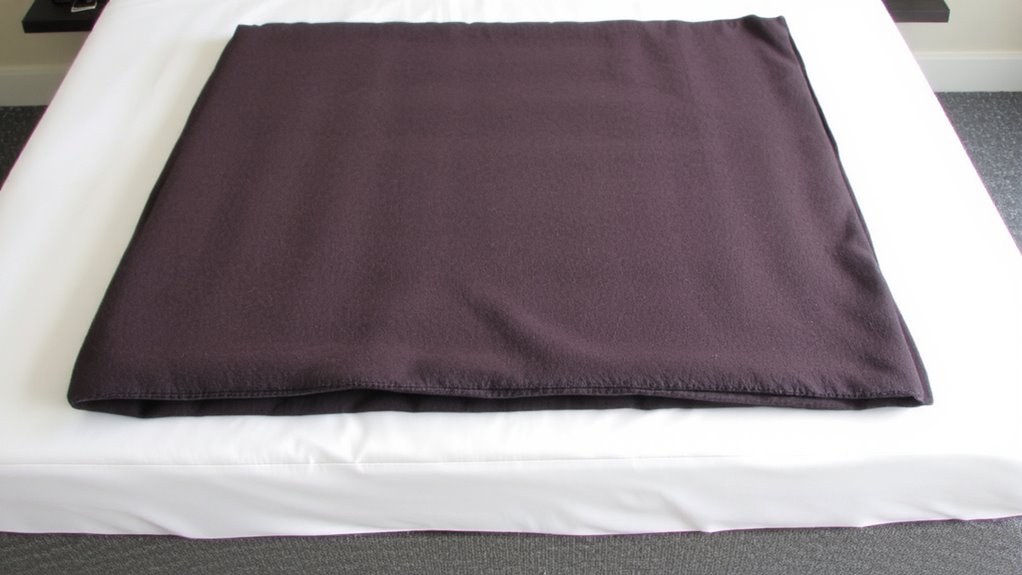
A good night’s sleep starts with choosing the right heated blanket for your innerspring mattress-something that won’t trap heat or create pressure points. Look for models designed with flexible wiring and a soft, evenly layered fabric that contours without bunching. Blanket compatibility matters because not all electric blankets handle coil structures well, and stiff materials can lead to spring interference, causing discomfort or uneven heating. Opt for low-profile designs with stretch-knit fabrics; they drape smoothly and reduce friction against the mattress surface. Check if the controller offers multiple heat settings so you can adjust based on your comfort needs, especially if you’re managing stiffness or circulation issues. Many brands offer trial periods and warranties-test the blanket to verify it layers cleanly and maintains consistent warmth. Prioritize even heat distribution and physical fit to support restful sleep without disruption.
Put Down a Protector to Shield Springs and Wiring
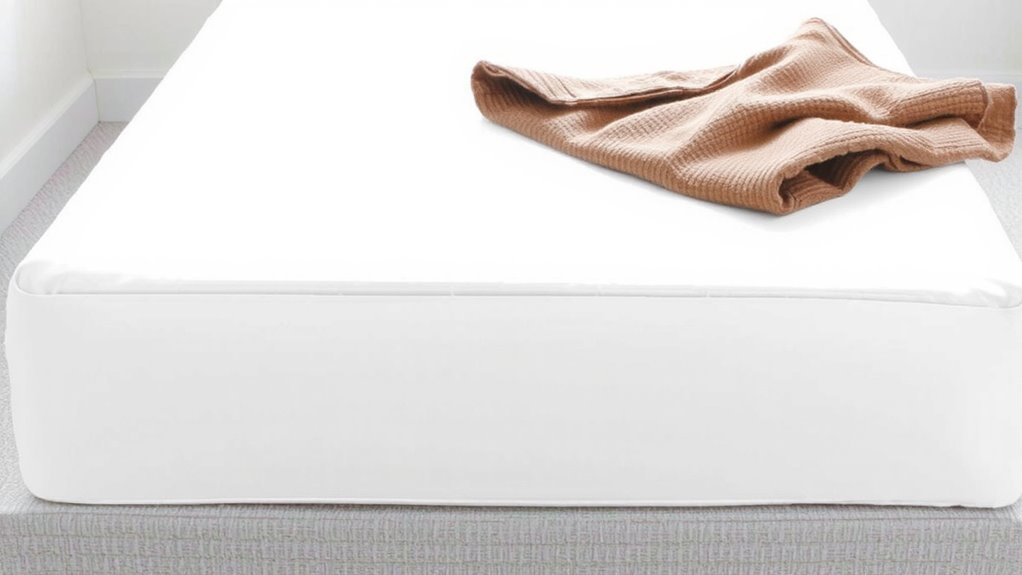
While your heated blanket needs to fit smoothly over the mattress, it’s just as important to protect both the innersprings and the blanket’s internal wiring from wear. You should place a thin, breathable mattress protector underneath the heated blanket to create a barrier. This helps prevent the springs from puncturing or fraying the blanket’s fabric over time, which could lead to electrical damage. Damaged wiring not only reduces performance but also increases fire hazards. Look for protectors made of soft, non-abrasive material that won’t trap heat. Most quality brands offer models with a cotton or polyester blend that feel comfortable and allow airflow. Some even come with warranties covering wear under heated bedding. Using one means your blanket lasts longer and works safely through the night. It’s a small step that supports better sleep and reduces risks without changing how the blanket heats. For hot sleepers, consider a waterproof mattress protector that offers breathability to prevent overheating.
Lay the Blanket Flat Over the Mattress
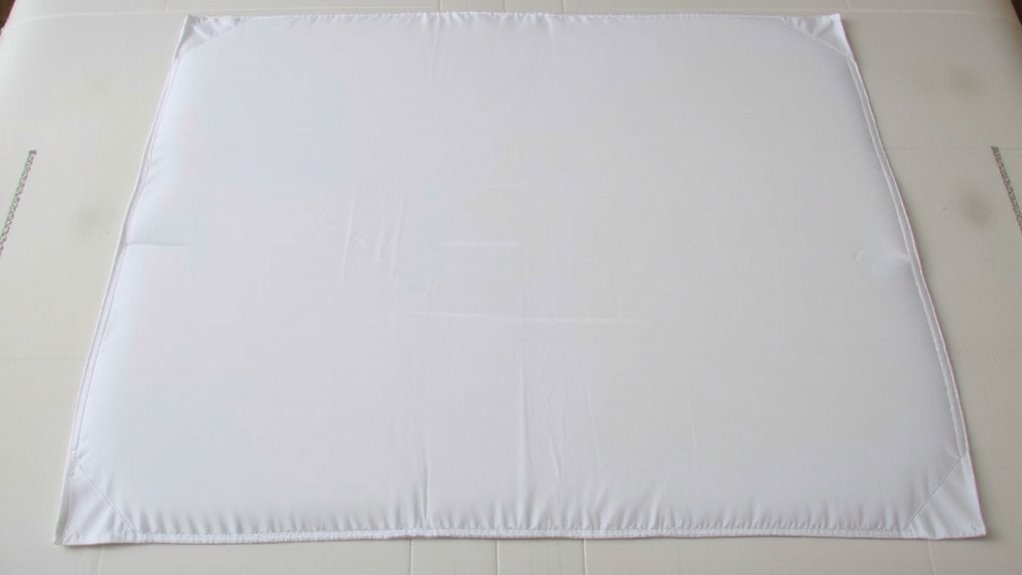
Once the protector’s in place, you’re ready to position the heated blanket. Lay it flat across the mattress, ensuring even surface alignment from edge to edge. This helps maintain consistent heat distribution and supports natural spinal positioning while you sleep. Proper tension balance is essential-avoid pulling too tight or letting it sag, as either can affect performance and comfort. A well-aligned blanket contours smoothly over the innerspring’s surface without bunching or gaps. This promotes reliable heating across all zones, especially important if you’re managing stiffness or circulation issues that impact rest. Make sure the power cord route stays clear and doesn’t strain the fabric. Most models include auto-shutoff and adjustable settings, so test on low during initial use. Check warranty terms that cover wiring integrity over time. Good alignment and balance improve longevity and comfort, supporting better sleep trials without disruption.
Secure It to Prevent Slipping and Bunching
Your heated blanket’s performance depends on staying put, so take a moment to secure it properly. Shifting or bunched fabric reduces heat distribution and can strain internal wires. Use anti slip grips or fabric anchors to keep edges stable, especially on bouncy innerspring surfaces. These accessories press the blanket firmly between mattress layers, minimizing movement during sleep. Below are common securing methods and their trade-offs:
| Method | Effectiveness | Reversibility |
|---|---|---|
| Anti slip grips | High | High |
| Fabric anchors | Medium | Medium |
| Tucking tightly | Low | High |
Anti slip grips work best on smooth surfaces, while fabric anchors suit textured materials. Many heated blankets include clips or corner straps-check your model. Products with trial periods let you test grip effectiveness risk-free. Proper securing supports consistent warmth and extends blanket life, important if you rely on heat for muscle relief or sleep aid support.
Add a Top Sheet to Distribute Heat Safely
After securing the heated blanket to keep it in place, adding a top sheet over it helps spread the warmth more evenly across your sleeping surface. This improves heat distribution, ensuring you feel cozy without hot spots. The sheet acts as a barrier, reducing direct contact with the electric elements and minimizing safety concerns like skin irritation or overheating. It’s especially helpful if you tend to sleep hot or have sensitive skin. Most heated blanket manufacturers recommend using one to extend the product’s life and maintain even performance. Choose breathable, soft fabric like cotton for comfort and airflow. Always follow the care instructions for both the blanket and sheet to avoid damage. Using a top sheet makes your setup safer and more comfortable, supporting better sleep hygiene-something worth considering if you’re managing sleep disorders or adjusting to new sleep aids. Try it for a few nights to see how it affects your rest.
On a final note
You’ve secured the blanket safely over your innerspring, protecting both wiring and coils. This setup delivers even warmth without overheating, supporting better sleep if you’re sensitive to temperature. Look for models with auto-shutoff and a solid warranty-many offer 5-year coverage. Try it for a few nights; if discomfort continues, consider other sleep aids. Proper layering makes a difference, but performance depends on your needs.