How Social Jet Lag Affects Individuals With Delayed Sleep Phase Disorder
You struggle to fall asleep early, and waking up for work or school feels like hitting snooze on a broken clock. That’s social jet lag with delayed sleep phase disorder (DSPD)-your body’s rhythm is out of sync with daily demands. It drags down focus, mood, and long-term health. Light exposure, consistent wake times, and well-timed melatonin can help shift your clock. Even small adjustments add up, and there’s more to explore about managing it effectively.
Notable Insights
- Individuals with DSPD experience severe social jet lag due to misalignment between their delayed sleep phase and societal schedules.
- Chronic sleep deprivation occurs as they are forced to wake earlier than their biological rhythm allows.
- Daytime alertness and cognitive performance decline due to persistent circadian misalignment.
- Mood disturbances like irritability and depression risk increase with ongoing social jet lag.
- Long-term health risks, including metabolic and cardiovascular issues, are heightened by chronic circadian disruption.
What Is DSPD and Social Jet Lag?
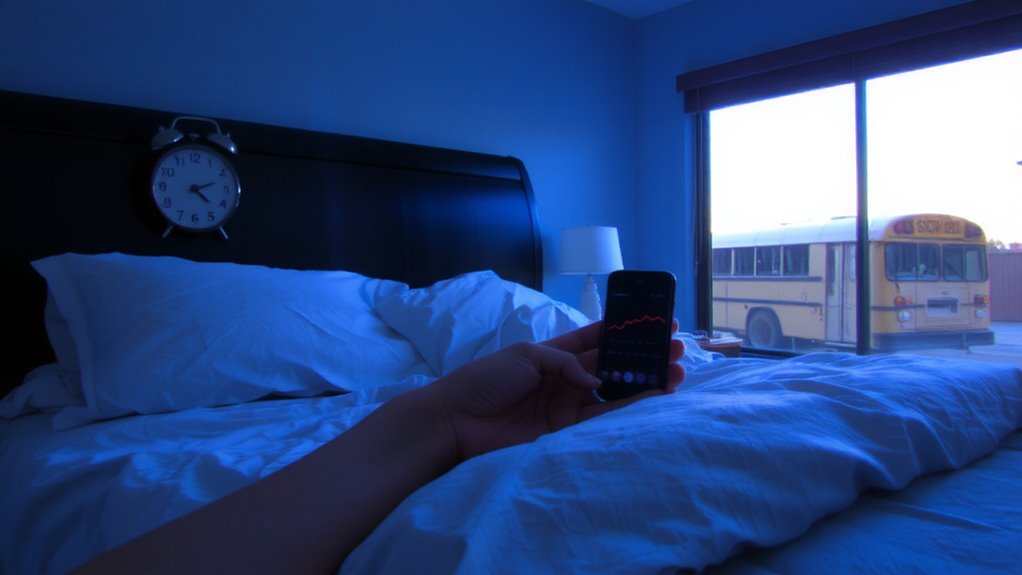
While your body runs on a natural rhythm, sometimes that rhythm doesn’t line up with the world around you. Your circadian rhythm, an internal clock regulating sleep and wake times, can shift later due to a sleep disorder known as Delayed Sleep Phase Disorder (DSPD). If you have DSPD, you naturally fall asleep much later at night and wake up later in the morning-often hours after societal norms. Social jet lag occurs when this delay clashes with work or school schedules, leaving you constantly out of sync. Unlike simple insomnia, DSPD is a chronic misalignment of your body’s timing and daily demands. You might struggle to sleep early even if you try, and forced early wake times reduce sleep quality and duration. Recognizing DSPD as a medical sleep disorder helps guide choices about treatment, including light therapy, melatonin, or adjusted routines, all of which should be discussed with a health provider.
How DSPD Traps You in Social Jet Lag
Because your internal clock shifts later with DSPD, falling asleep early feels nearly impossible, even when you know you’ll pay for it the next day. You’re stuck in social jet lag-your body runs on delayed time, but life demands early starts. This constant mismatch causes circadian disruption, throwing off hormones, metabolism, and alertness. Over time, it leads to chronic fatigue, making daily tasks harder and recovery slower. Even weekends don’t fully reset your rhythm, since delayed sleep tends to persist. You might consider light therapy in the morning to help nudge your cycle, or melatonin supplements taken at consistent times to support alignment. Some find wearable devices that track sleep phases useful for spotting patterns. Most important is consistency-irregular sleep worsens the disruption. While no solution works overnight, small, steady changes can reduce strain and improve long-term outcomes.
How DSPD Affects Your Mood and Focus
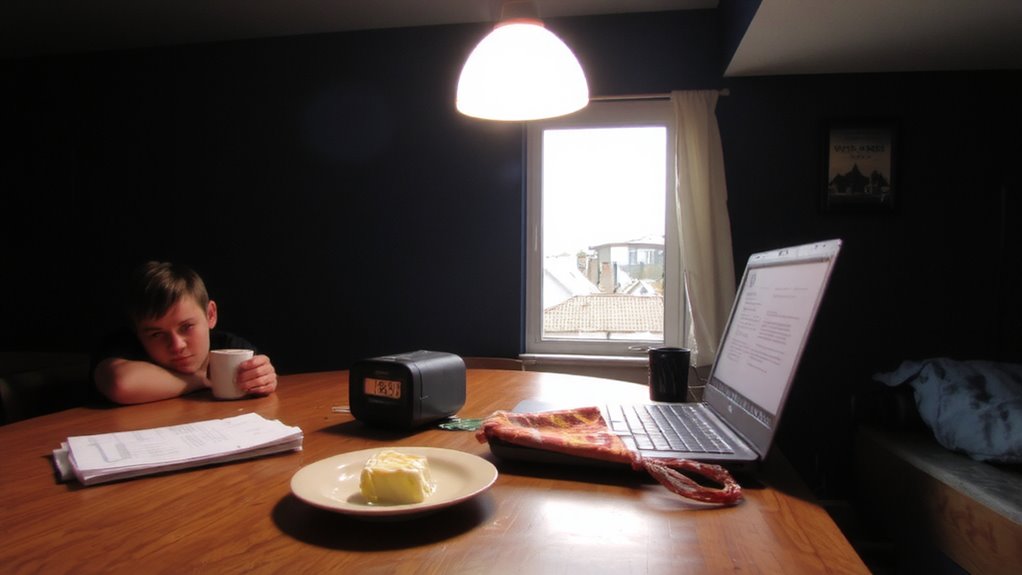
Sleep isn’t just about rest-it’s an anchor for your mood and focus, and when DSPD pulls that anchor off schedule, everything starts to drift. You’re likely no stranger to mood swings, feeling irritable or down without clear cause, simply because your brain isn’t getting rest at the right biological time. Focus lapses become common, making it harder to stay on task or retain information during the day. These aren’t character flaws-they’re signs your circadian rhythm is out of sync. Light therapy devices, consistent bedtime routines, and melatonin supplements (with doctor guidance) can help reset your internal clock. Some find wearable tech useful for tracking sleep patterns. Treatments vary, so a sleep study or consultation with a specialist might clarify which options suit your biology. Small, evidence-backed changes often yield the most sustainable improvements over time. Incorporating calming scents like those found in the best aromatherapy products for better sleep may also support a more restful nighttime routine.
Why Late Nights Ruin Work and School Performance
You’re probably used to hitting reply on emails or finishing schoolwork late into the night, thinking you’ll catch up on sleep later-but when your body’s clock runs hours behind the demands of school or work, performance starts to slip in ways you might not realize. Chronic sleep deprivation impairs focus, slows reaction time, and weakens memory consolidation. Over time, this can lead to cognitive decline, making it harder to process information or adapt to new tasks. Even if you manage to fall asleep early one night, your internal rhythm stays shifted, so grogginess lingers. School exams, early meetings, and tight deadlines all clash with your natural alertness, which peaks too late. Consider tracking sleep patterns and discussing potential sleep aids or light therapy with a provider. Small shifts in routine, supported by consistent data, may improve alignment between your schedule and biological needs-giving you a better shot at steady performance.
The Physical Health Risks of Delayed Sleep
A growing number of studies link delayed sleep patterns to increased risks for heart disease, obesity, and type 2 diabetes, showing how consistently missing your body’s ideal sleep window affects more than just alertness. You’re likely facing chronic inflammation when your sleep stays out of sync, which strains your immune system over time. This, combined with metabolic disruption, makes it harder for your body to manage blood sugar and store energy properly. These changes don’t happen overnight, but repeated delays in sleep timing add up. Your body’s internal clock helps regulate hormones, temperature, and digestion-all affected when sleep is pushed later. Over time, this imbalance raises long-term health risks. Seeing a sleep specialist can clarify whether you have a disorder like Delayed Sleep Phase Disorder. Options such as light therapy or melatonin supplements may help, often with strong research backing and short-term use safety.
Daily Habits That Reset Your Body Clock
When your internal clock is out of sync, small, consistent habits can make a real difference in shifting your sleep schedule back on track. Starting your day with bright light exposure helps reset your body’s rhythm, and light therapy lamps can be effective if natural sunlight isn’t available. Use them within 30 minutes of waking for 20–30 minutes, placing the lamp at eye level but avoid staring directly at it. Pair this with steady morning routines-like waking at the same time daily, even on weekends-to strengthen your body’s cues. Avoid screens and dim the lights in the evening to support melatonin release. Consistency matters more than intensity, so choose routines you can sustain. Over time, these steps support better alignment between your internal clock and daily life, improving sleep onset and alertness. Trial periods of 2–4 weeks help gauge effectiveness. For those who struggle with waking up naturally, using a best light alarm clock can simulate sunrise and ease the transition from sleep to wakefulness.
Signs You Need a Sleep Specialist
Could it be more than just poor habits if you’re still struggling to fall asleep or wake up, even with consistent routines and light therapy? If chronic fatigue drags through your days despite good sleep efforts, it might signal a deeper issue. You may notice sleep anxiety creeping in-worrying about falling asleep that ironically keeps you awake. These patterns, especially when they persist for months, often point beyond simple insomnia. Delayed Sleep Phase Disorder can mimic laziness or poor discipline, but it’s a real circadian rhythm disorder. A sleep specialist can review your history, possibly recommend a sleep study, and tailor treatments like timed melatonin or cognitive strategies. They’ll assess how well current methods work and adjust them based on your body’s responses. Seeking help isn’t an overreaction-it’s a practical step toward better alignment, improved energy, and long-term sleep health.
On a final note
You might feel stuck, but small, consistent changes can shift your sleep rhythm. Light exposure in the morning, fixed wake times, and limiting evening screens help reset your body clock. If symptoms persist, consult a sleep specialist-they can confirm DSPD and suggest structured therapies like bright light treatment or chronotherapy. Many find relief with professional guidance, and some treatments come with trial periods or insurance coverage. Your health and daily performance are worth the evaluation.