Why Using a Contoured Pillow Enhances Suboccipital Support and Reduces Tension Headaches
You wake up with less neck and head tension because a contoured pillow supports your spine’s natural curve. Its ergonomic shape cradles your neck, reducing strain on the suboccipital muscles often aggravated by poor sleep posture. High-density memory foam holds its form, while ventilated, hypoallergenic covers keep you cool. Proper alignment prevents nerve irritation and muscle spasms that lead to headaches. Many brands offer trials, so you can test firmness and fit-find what works best for your sleep position and start feeling better.
Notable Insights
- Contoured pillows support the neck’s natural curve, reducing strain on suboccipital muscles during sleep.
- Proper spinal alignment from ergonomic design prevents nerve compression that contributes to tension headaches.
- Elevated neck support maintains a neutral head position, minimizing jaw clenching and muscle tension.
- High-density memory foam provides consistent suboccipital support, decreasing morning headache frequency.
- Ventilated, hypoallergenic materials enhance comfort and reduce sleep disruptions linked to headache triggers.
What Causes Morning Tension Headaches?
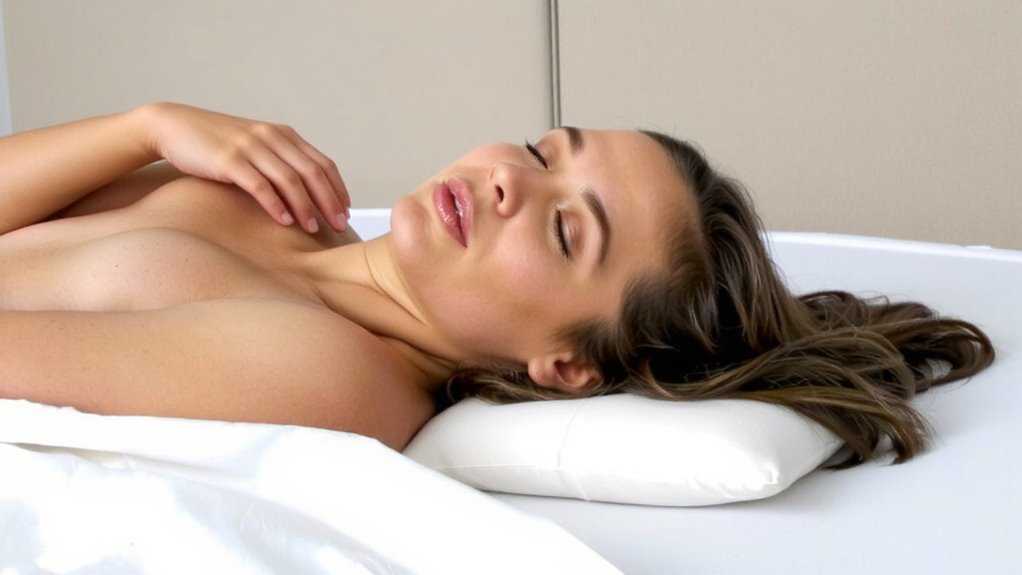
Why do you wake up with a tight band of pressure across your forehead or a dull ache at the base of your skull? Morning tension headaches often stem from stress triggers you carry into sleep, like clenched jaws or shallow breathing. These habits, over time, lead to muscle stiffness in your neck and scalp, especially if your head isn’t properly supported. Poor sleep posture strains the suboccipital muscles, worsening tightness by dawn. You might not notice it during the day, but at night, without proper alignment, small imbalances magnify. A contoured pillow, designed to cradle your neck and head, helps maintain a neutral spine. This reduces strain and may lessen morning discomfort. Look for memory foam that contours evenly and supports without sinking. Most come with trial periods-test one for at least two weeks. Check warranty terms, too, since long-term use reveals real benefits. It’s not a fix-all, but it can help ease muscle stiffness linked to sleep posture. Top-rated ergonomic designs often feature contoured pillow support for enhanced suboccipital relief.
How Neck Tension Triggers Head Pain
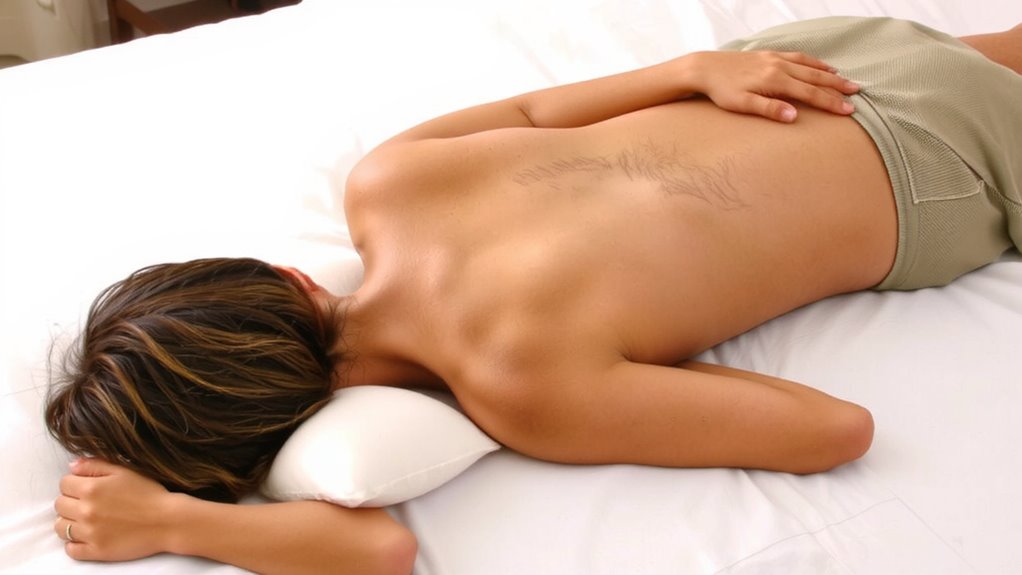
Tightness in your neck isn’t just uncomfortable-it can be the starting point for frequent head pain. When muscles in your neck stay tense, they can develop muscle spasms that radiate discomfort upward. These spasms often irritate nearby nerves, leading to referred pain in your head, especially around the base of your skull. Prolonged poor alignment during sleep can also cause nerve compression, intensifying the cycle of discomfort. You might not realize how much nightly strain contributes to daytime symptoms. Tight muscles restrict blood flow and increase sensitivity, making headaches more likely. Recognizing this link helps you make informed choices about sleep posture and support. Addressing neck tension early with proper positioning may reduce how often and how severely you experience head pain. It’s not about a quick fix, but consistent support that aligns with your body’s needs over time. Using a supportive pillowcase made from breathable, stretchable fabric can enhance comfort and maintain proper spinal alignment, especially when paired with best body pillow covers.
How Contoured Pillows Fix Spinal Alignment
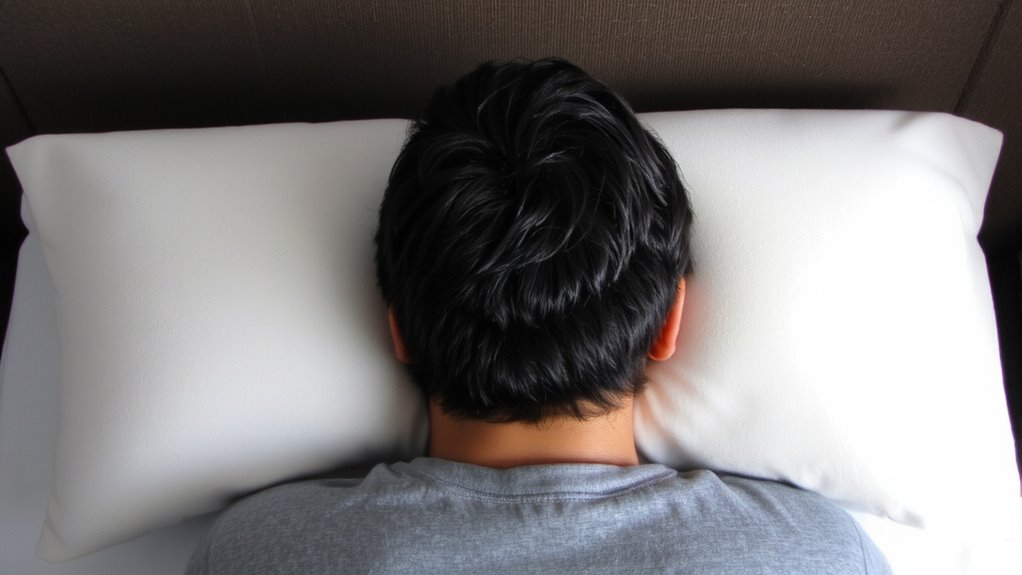
A contoured pillow helps maintain your spine’s natural curve by supporting both the neck and head in a way flat pillows often don’t. When you lie down, your spinal curvature needs consistent alignment to reduce strain, and the ergonomic design of a contoured pillow fills the gap between your neck and mattress. This support keeps your head from tilting too far up or down, promoting a neutral spine. Unlike traditional pillows that collapse or bunch, contoured models hold their shape, offering steady support whether you’re a side or back sleeper. The firmness and slope are built to match your shoulders’ width and neck height, improving posture over time. With proper spinal alignment, muscle tension decreases, especially in the suboccipital region. Many contoured pillows come with trial periods, so you can test their fit without risk. For those seeking optimal support, choosing from the best cervical neck pillows can significantly enhance comfort and spinal health.
Best Contoured Pillow Features for Relief
While not every contoured pillow delivers the same level of comfort, the best ones combine specific design elements that target suboccipital pressure and promote lasting relief. Look for high-quality memory foam density-it supports your neck without sinking too fast. An ergonomic design guarantees your head stays aligned, reducing strain overnight. Many top pillows also offer breathable covers and hypoallergenic materials for added comfort. Consider trial periods and warranties so you can test the fit risk-free.
| Feature | Why It Matters |
|---|---|
| Memory foam density | Balances support and softness, maintains shape |
| Ergonomic design | Matches neck curve, reduces suboccipital stress |
| Ventilated cover | Helps regulate temperature, improves airflow |
| Sleep trial | Lets you test long-term comfort and relief |
Side Vs Back Sleepers: Getting Support for Your Position
Your sleeping position shapes how your suboccipital area responds to pillow support, so choosing the right contoured pillow means matching its design to how you actually sleep. If you’re a side sleeper, your spine needs deeper neck support to maintain alignment-look for a higher, firmer contour that fills the space between your shoulder and neck. The right pillow shape prevents your head from tilting too far down or up. Back sleepers need less elevation; a gentler curve supports the neck without overextending the head. Your sleep position directly affects pressure on the suboccipital muscles, so the pillow shape must complement it. Many contoured pillows offer dual-loft designs, letting you flip them for side or back use. Check product trials or warranties-some brands let you test fit the pillow to your sleep position. This helps you assess comfort and neck support over time.
How to Use a Contoured Pillow for Maximum Benefit
How can you get the most from your contoured pillow once you’ve chosen one? Start by aligning your head and neck so your spine stays neutral-this means the pillow height should match your shoulder width and sleep position. If you’re a side sleeper, you’ll likely need a higher loft; back sleepers usually do better with a lower profile. Make sure the curve under your neck supports the natural C-shape of your spine. Check the material breathability, especially if you tend to sleep hot-gel-infused memory foam or bamboo-based covers help regulate temperature. Rotate the pillow regularly to maintain even wear. Most quality models come with a trial period, so test it for at least a few weeks. Adjusting slowly improves comfort, letting your muscles adapt. Pay attention to how your neck feels in the morning-it’s a clear sign the pillow height and support are working.
Real Relief: What Headache Sufferers Report After Switching
What if your morning headaches started fading after just a few nights? Many users report exactly that after switching to a contoured pillow designed for suboccipital support. You’ll notice how breathable materials help regulate temperature, reducing nighttime discomfort that can worsen tension. User testimonials frequently mention waking with less neck stiffness and fewer headaches within a week. The pillow’s shape supports your cervical spine just right, easing strain on suboccipital muscles. Most models come with trial periods, so you can test the fit risk-free. Some include removable, washable covers for hygiene and comfort. While results vary, consistent use improves outcomes. You’re not guaranteed instant relief, but many find meaningful reduction in headache frequency. Consider your sleeping position and preferred firmness when choosing. With thoughtful design and feedback-backed benefits, this small change might make a noticeable difference in how you feel each morning.
On a final note
You’ll sleep better when your neck stays aligned, and a contoured pillow helps by supporting the curve at the base of your skull. It reduces strain that can lead to morning headaches, especially if you sleep on your back or side. Look for memory foam with a slow rebound and a removable, washable cover. Many brands offer trial periods, so test one risk-free. Proper height and firmness matter-match them to your sleeping position for best results.