Why Consistent Bedtimes Are Essential For Stable Circadian Clocks
You need consistent bedtimes to keep your circadian clock in sync with light and dark cycles, even if you get enough sleep. Irregular sleep times disrupt melatonin and cause jet-lag-like fatigue. A steady schedule improves sleep quality, focus, and mood while lowering long-term risks of insomnia, weight changes, and heart issues. It reduces reliance on sleep aids. Stick to the same bedtime, including weekends, to support lasting balance-more benefits unfold when you maintain the routine.
Notable Insights
- Consistent bedtimes align the circadian rhythm with natural light-dark cycles for optimal sleep-wake timing.
- Regular sleep schedules promote timely melatonin release, improving sleep onset and quality each night.
- Maintaining fixed bedtimes prevents social jet lag caused by weekend sleep disruptions.
- Stable sleep patterns enhance concentration, mood, and metabolic functions through circadian synchronization.
- Long-term bedtime regularity reduces risks of insomnia, heart disease, and metabolic disorders.
Why Inconsistent Bedtimes Throw Off Your Body Clock

Even if you get enough sleep, going to bed and waking up at different times each day can disrupt your body’s internal clock, making it harder to feel alert and refreshed. You might experience symptoms similar to jet lag-fatigue, brain fog, and digestive issues-even without traveling. This mismatch, called social jet lag, happens when your weekend sleep habits clash with your weekday schedule, throwing off your rhythm. Your body struggles to adjust, impairing concentration and mood. Over time, this inconsistency may increase the risk of sleep disorders like insomnia. While sleep aids might seem helpful, they don’t fix the root problem: irregular timing. Instead, gradually aligning bedtime and wake time can reduce strain. Devices like sleep trackers or apps with gentle alarms often include trial periods and clear data feedback, helping you observe patterns and adjust smartly. Consistency builds better long-term results. A key tool in maintaining this consistency is using best sleep trackers to monitor and optimize your sleep patterns over time.
How a Regular Bedtime Balances Your Circadian Rhythm

When you go to bed and wake up at roughly the same time every day, your body’s internal clock-the circadian rhythm-starts to sync with your environment, making it easier to fall asleep and wake up naturally. This consistency supports timely melatonin release, the hormone that signals your body it’s time to rest. As melatonin levels rise in the evening, sleep onset becomes smoother and more predictable. Sticking to a regular bedtime trains your system to anticipate these changes, improving sleep quality over time. You may find less need for sleep aids when your rhythm is balanced. Even slight variations can delay melatonin release, so keeping the schedule steady-even on weekends-helps maintain rhythm. Over time, this routine supports healthier sleep architecture. If you struggle with sleep onset, reviewing your timing instead of immediately trying supplements or medications may offer a more sustainable solution backed by how your body naturally functions.
What a Synced Sleep Schedule Does for Your Health
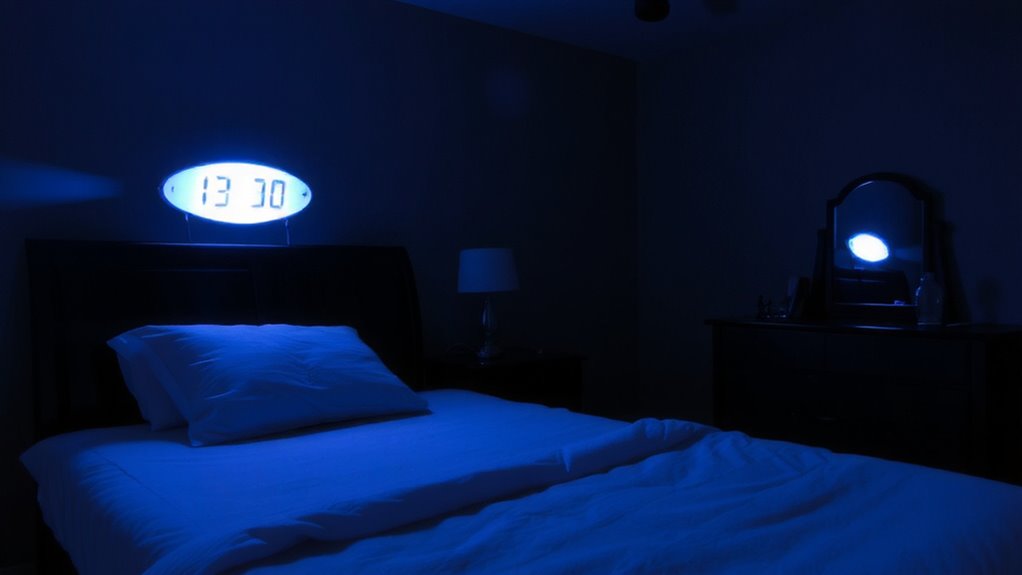
Because your body runs on a finely tuned internal schedule, sticking to a synced sleep routine boosts more than just nightly rest-it supports overall health in measurable ways. You’ll likely see better sleep quality, waking fewer times and spending more time in restorative stages. That consistency also sharpens mental clarity throughout the day, helping you focus, make decisions, and manage mood more effectively. Over time, a steady sleep pattern lowers risks linked to heart issues, weight changes, and insulin sensitivity. If you struggle with sleep disorders like insomnia or circadian rhythm disruptions, aligning your schedule can be a core part of treatment-often reducing the need for sleep aids. While over-the-counter options exist, they’re best used short-term and under guidance. Building a reliable routine works long-term, with no side effects, offering a sustainable base for healthier sleep and daily performance.
How to Stick to a Consistent Bedtime Every Night
Sticking to the same bedtime every night-even on weekends-helps your body lock into a rhythm that makes falling and staying asleep easier over time. Strong sleep hygiene starts with predictable bedtime routines. These signal your brain that it’s time to wind down. Consider pairing habits like dimming lights and reading with a set sleep and wake time. Limit screen use, caffeine, and heavy meals close to bed. If you’re trying sleep aids, choose ones backed by research and check with a doctor, especially if symptoms last. Here’s how small changes add up:
| Habit | Effect on Sleep |
|---|---|
| Same bedtime daily | Stabilizes circadian rhythm |
| No screens 30 min before | Reduces blue light exposure |
| Quiet, cool bedroom | Supports deeper sleep |
| Caffeine avoided after 2 | Prevents sleep disruption |
| Short, calming routine | Strengthens sleep hygiene |
Long-Term Health Benefits of Steady Sleep
While your body repairs and recharges each night, keeping a steady sleep schedule does more than help you feel rested-it can strengthen your long-term health in measurable ways. You’re supporting better sleep quality over time, which helps your brain and body function at their best. A consistent routine also supports healthy hormonal balance, reducing risks linked to insulin resistance, weight gain, and mood disorders. When your circadian clock stays on track, your body releases hormones like melatonin and cortisol at the right times, keeping your internal systems in sync. Over years, this stability can lower your chances of chronic conditions like diabetes and heart disease. If you struggle, consider sleep aids carefully-some help reset rhythms, but long-term use needs medical input. Tracking sleep patterns and consulting a specialist can guide safer, personalized choices without overreliance on products.
On a final note
You’ll sleep better when your bedtime stays consistent, helping your circadian clock stay in sync. Irregular sleep weakens rhythms, affecting mood, focus, and long-term health. A steady schedule supports deeper rest and sharper thinking. If sleep troubles persist, track patterns before trying aids-many are short-term fixes. Consider consulting a specialist instead of relying on supplements. Good sleep hygiene often works better than devices or pills, with no side effects.