Exploring Association Between Sleep-Onset Insomnia and Delayed Eccentric Contraction Recovery
When you stay awake longer due to sleep-onset insomnia, your body misses key recovery time after eccentric exercise. Deep sleep drops, slowing tissue repair and lowering growth hormone. Inflammation rises, delaying muscle healing. Poor sleep also keeps cortisol high and reduces coordination. Even with tough workouts, strategic protein intake, hydration, and supplements like magnesium can help. You’re not helpless-even with delayed sleep, smart recovery choices make a difference. There’s more to explore on optimizing rest when sleep doesn’t come easy.
Notable Insights
- Sleep-onset insomnia delays deep sleep, reducing growth hormone release critical for muscle repair after eccentric exercise.
- Prolonged sleep onset elevates cortisol, increasing inflammation and impairing recovery from eccentric muscle damage.
- Eccentric contractions cause microtears requiring protein synthesis, a process hindered by insufficient deep sleep.
- Chronic sleep delay sustains inflammatory markers, slowing tissue healing following exercise-induced muscle stress.
- Poor sleep onset limits blood flow and nutrient delivery during slow-wave sleep, delaying muscle recovery.
Why Insomnia Slows Muscle Recovery

Even if you’re nailing your workouts and eating right, skimping on sleep can keep your muscles from recovering like they should. When insomnia cuts your rest short, your nervous system doesn’t fully reset, leading to neural fatigue that dulls coordination and slows muscle response. At the same time, sleep-onset insomnia triggers hormonal disruption-lowering growth hormone and raising cortisol-which weakens tissue repair and increases inflammation. Without consistent, quality sleep, your body can’t enter the deep stages where recovery peaks. This means delayed healing, reduced strength gains, and higher soreness. Over-the-counter sleep aids might help short-term but can affect sleep quality. Cognitive behavioral therapy for insomnia (CBT-I) has strong support for long-term results. If you’re training hard, treating sleep like part of your regimen matters just as much as reps or nutrition.
How Eccentric Exercise Increases Muscle Damage
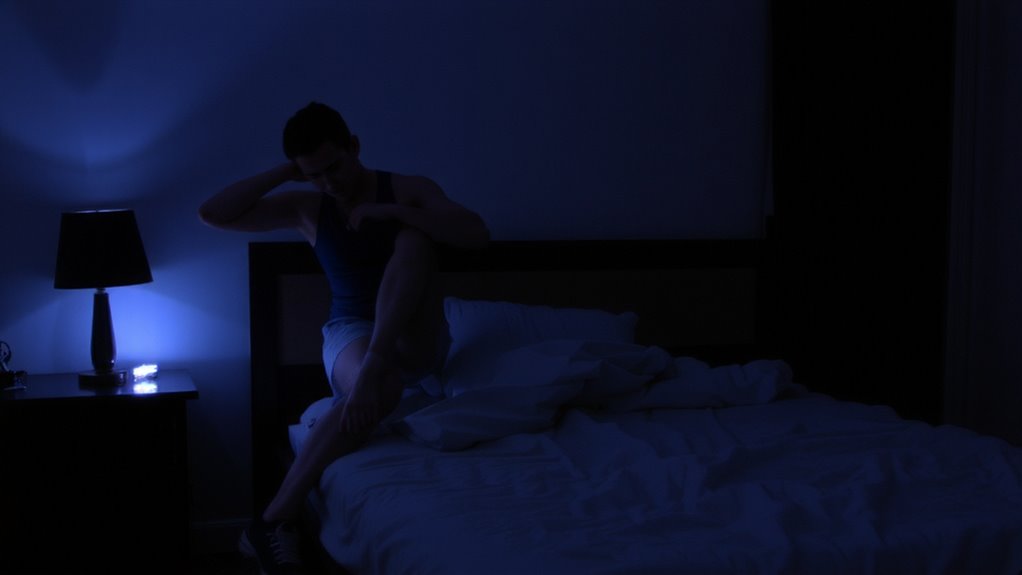
You’re likely familiar with the soreness that creeps in after a tough workout, especially when lowering weights slowly or running downhill-movements where your muscles lengthen under tension. That’s eccentric exercise, and it places high mechanical stress on muscle fibers, often leading to microscopic muscle fiber tearing. These tiny injuries trigger inflammation and an oxidative stress buildup as your body works to repair and strengthen the tissue. While this process is natural and part of building muscle, it demands time and resources. Without proper recovery, including quality sleep, the damage can accumulate. Sleep supports protein synthesis and reduces cellular stress, helping manage the effects of oxidative stress buildup. If you’re dealing with sleep-onset insomnia, understanding this link helps you make informed choices about rest, recovery routines, or considering sleep aids with care. Supplementing with magnesium L-threonate powder may support sleep quality and cognitive recovery due to its ability to cross the blood-brain barrier and enhance neuronal magnesium levels.
How Delayed Sleep Worsens Inflammation
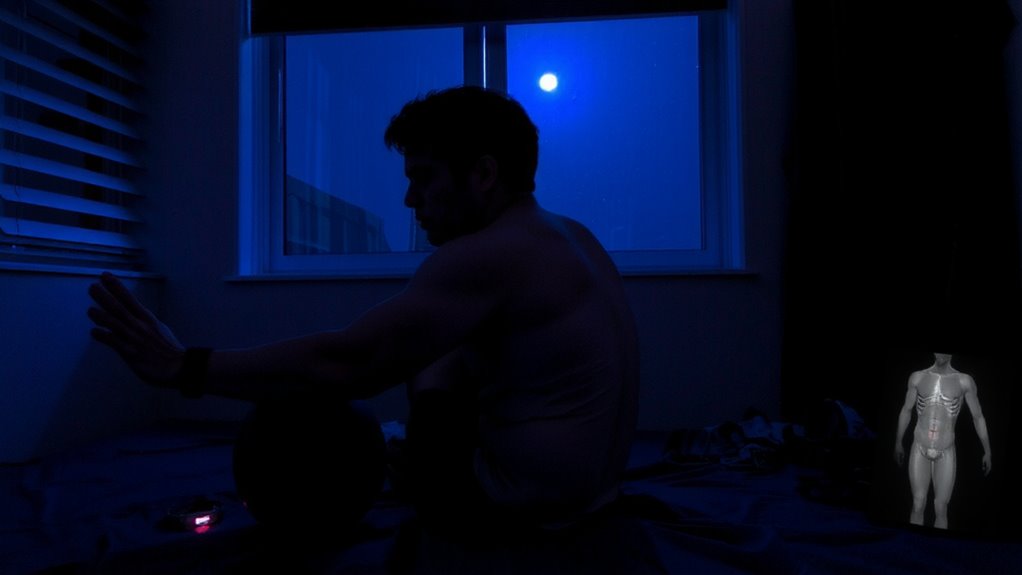
Why does tossing and turning at night seem to make your body feel more inflamed the next day? When sleep onset is delayed, your body stays in a state of alert, fueling chronic stress that amps up inflammatory markers. You’re not just tired-you’re likely dealing with immune dysregulation, where your defenses overreact or underperform. This imbalance can slow recovery, especially after tough workouts. Over time, poor sleep habits train your system to stay inflamed, making injuries linger. If you often struggle to fall asleep, consider tracking patterns or testing sleep aids with proven trial results. Look for options that support natural timing without heavy dependency. Devices or apps with warranties and clear performance data may offer safer long-term use. You’ve got options-evaluate them with your recovery and health in mind.
Why Deep Sleep Is Critical for Repair
Deep sleep acts as your body’s nightly repair session, when growth hormone release peaks and muscle tissues rebuild after daily strain. You’re not just resting-you’re enabling cellular regeneration, a quiet but essential process that heals microtears from eccentric contractions. During slow-wave sleep, blood flow to muscles increases, delivering oxygen and nutrients essential for recovery. Without this stage, growth hormone output drops, slowing tissue repair and weakening adaptation over time. Sleep-onset insomnia disrupts this cycle, delaying entry into deep sleep and reducing its overall duration. That means less time for your body to perform critical maintenance. If you struggle to fall asleep, consider tracking sleep patterns or discussing non-habit forming sleep aids with a provider. Options with clear trial periods and minimal side effects allow safer assessment. Prioritizing deep sleep isn’t about perfection-it’s about giving your body the window it needs to regenerate effectively.
Recovery Tactics That Work Without Perfect Sleep
Even if you can’t control how quickly you fall asleep, you can still support muscle recovery through targeted strategies that don’t rely solely on perfect sleep. Focusing on nutrition timing and active recovery makes a meaningful difference. Consuming protein and carbs within 45 minutes post-workout aids repair, even with disrupted sleep. Light movement-like walking or cycling-on rest days boosts circulation and reduces soreness. Adding a nighttime supplement regimen may further enhance recovery, especially with ingredients like magnesium and tart cherry extract.
| Strategy | Benefit |
|---|---|
| Protein intake post-exercise | Supports muscle synthesis |
| Daily hydration | Maintains cellular function |
| Foam rolling | Enhances flexibility and blood flow |
| Nutrition timing | Maximizes recovery windows |
| Active recovery | Reduces stiffness without strain |
These methods complement your efforts without demanding ideal sleep. They’re practical for those managing sleep-onset insomnia while staying active.
On a final note
You now see how sleep-onset insomnia can delay recovery after eccentric exercise, since deep sleep helps repair muscle and reduce inflammation. If you struggle with sleep, consider proven aids like CBT-I, which has strong trial support and few side effects. Some find melatonin helpful, though effects vary. Recovery doesn’t demand perfect sleep-consistent effort, smart timing, and good nutrition help too. Weigh each option’s benefits and trade-offs carefully.