How to Manage Sleep in Children With Chronic Pain and Anxiety
You can help your child by sticking to a consistent sleep schedule, even on weekends, to regulate their body clock. Pair this with a calming routine-dim lights, avoid screens, and try gentle breathing or storytelling. Keep the bedroom cool, dark, and quiet with blackout curtains and white noise if needed. Manage pain with daytime movement and consult a specialist if sleep struggles persist. More solutions follow naturally.
Notable Insights
- Maintain a consistent sleep schedule with the same bedtime and wake-up time every day, including weekends, to regulate the body’s internal clock.
- Practice relaxation techniques like deep breathing, progressive muscle relaxation, or guided imagery to reduce anxiety and physical tension before bed.
- Establish a calming bedtime routine with dim lighting, soothing activities, and no screens to signal the body it’s time to sleep.
- Create a sleep-friendly bedroom environment that is cool, dark, quiet, and clutter-free, using blackout curtains, white noise, and warm-toned nightlights.
- Encourage morning sunlight exposure and gentle daytime activity while seeking professional help if sleep problems persist despite consistent home strategies.
Break the Sleep-Pain-Anxiety Cycle
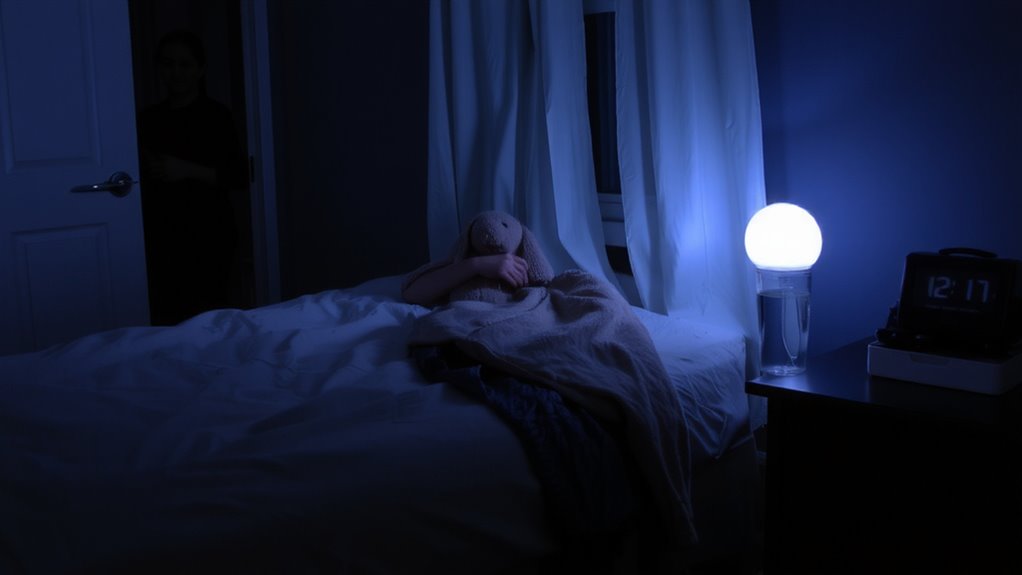
While chronic pain and anxiety often disrupt your child’s sleep, creating a cycle that worsens all three, you can take practical steps to interrupt it. Establishing a consistent sleep schedule helps regulate their body’s internal clock, making it easier to fall and stay asleep. Aim for the same bedtime and wake-up time every day, even on weekends, to build predictability. Pair this with relaxation techniques like deep breathing, progressive muscle relaxation, or guided imagery, which can reduce physical tension and quiet anxious thoughts before bed. These methods are non-invasive and can be practiced at home with minimal setup. Over time, regular use supports better sleep quality and reduces nighttime awakenings. Though results may take a few weeks, persistence improves outcomes. You don’t need special tools-just time and consistency. This approach prioritizes long-term habits over quick fixes, supporting healthier sleep patterns naturally.
Create a Calming Bedtime Routine
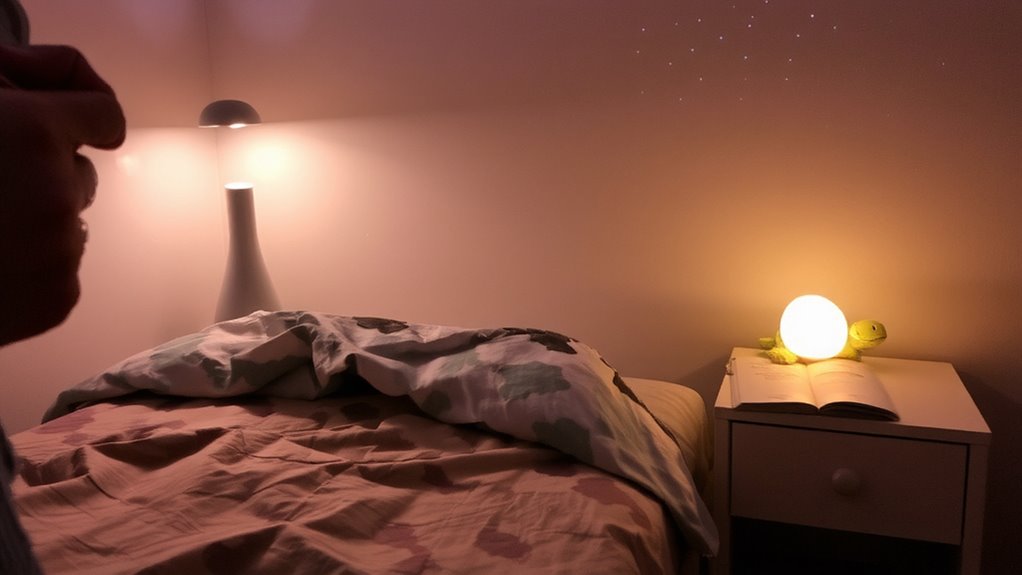
Because your child’s nervous system may stay on high alert due to chronic pain and anxiety, building a calming bedtime routine can signal safety and prepare the body for rest. Start at the same time each night, using gentle steps that ease the shift. Begin with dimming lights and quiet activities, like reading stories together-this fosters connection and distracts from discomfort. Choose books with soothing themes, not excitement, and keep reading time consistent. Using nightlights helps reduce fear in the dark, especially if your child has anxiety about sleeping alone. Pick ones with soft, warm tones to avoid disrupting melatonin. Keep the routine under 30 minutes so it’s predictable, not overstimulating. Avoid screens, as blue light interferes with sleep onset. A nightlight with best color for newborns can further support a restful environment by providing a gentle, non-stimulating glow. Try the routine for at least one week to assess its effect before adjusting.
Make the Bedroom a Sleep-Friendly Space
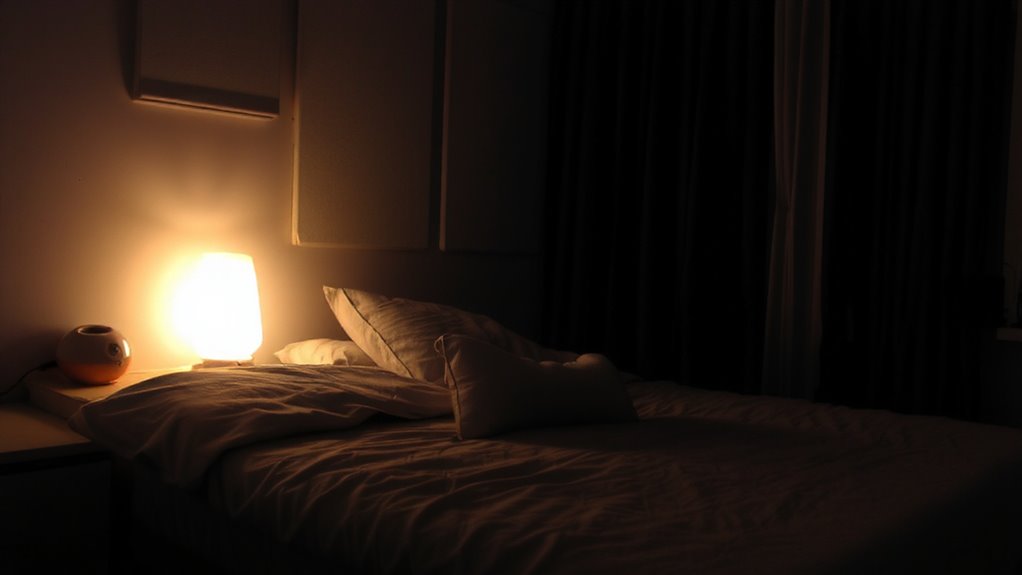
If your child struggles to relax at night, treating the bedroom as a sleep sanctuary can make a real difference in their ability to fall and stay asleep. Start with bedroom lighting-use dimmable, warm-toned lights in the evening to signal the body it’s time to wind down. Avoid blue light from screens at least one hour before bed. Consider blackout curtains to maintain consistent darkness. For noise control, assess the room’s sound environment. Soft background noise from a white noise machine can mask disruptive sounds, especially in busy households. Choose one with adjustable volume and timer settings for flexibility. Keep the space clutter-free and cool, ideally between 65–70°F. Test changes over several nights to see what works. Simple adjustments to lighting and noise control can support better sleep patterns without extra interventions. High-quality blackout blinds can further enhance light blockage and improve sleep quality.
Ease Pain Before Lights Out
You’ve made the bedroom a calm and predictable space, but discomfort can still keep your child awake even in ideal conditions. Focusing on pain relief before bedtime helps set the stage for better sleep. Try gentle stretches, a warm bath, or child-safe heating pads to ease sore muscles and joints. Over-the-counter options like acetaminophen or ibuprofen may help, but always check with your doctor on dosage and timing. Consider clothing or pajamas made from soft, non-restrictive fabrics to boost bedtime comfort. Weighted blankets can offer soothing pressure, though they aren’t suitable for every child-trial periods and safety checks are key. A well-chosen blanket with chunky knit design can enhance sensory comfort while adding a cozy aesthetic to the bed. Keep a log to track what works, so you can adjust methods safely. Consistency matters more than quick fixes. These small steps can make a real difference in your child’s ability to settle down when pain might otherwise take over.
Calm Anxious Thoughts to Help Kids Fall Asleep
Why do some children toss and turn long after lights out, even when pain is managed? Their minds may still race with worries or fears, keeping sleep out of reach. You can help by introducing mindfulness breathing, which guides kids to focus on slow, deep breaths. This simple practice calms the nervous system and shifts attention away from anxious thoughts. Guided imagery is another tool-play a recording where a soothing voice leads your child through peaceful scenes, like floating on a cloud or walking through a quiet forest. Both methods are non-invasive, easy to try, and have low risk. Most apps or audio tracks offer free trials, so you can test different styles. With regular use, mindfulness breathing and guided imagery may improve sleep onset and reduce nighttime anxiety. Consider trying them for a few weeks to see what works best for your child.
Build Daytime Habits for Better Sleep
Good sleep habits during the day set the stage for restful nights, especially for children dealing with pain and anxiety. You can help by ensuring your child gets regular sunlight exposure each morning, which strengthens their sleep-wake cycle. Natural light helps regulate melatonin, making it easier to fall asleep later. Encourage gentle physical activity during the day, like walking, stretching, or swimming, as it can reduce pain sensitivity and improve sleep quality. Just avoid intense exercise close to bedtime, as it may interfere with winding down. Keep activities predictable and paced to prevent flare-ups. Consistent daytime routines build a foundation that supports better sleep without relying on sleep aids. You’ll likely notice gradual improvements in mood and pain control. These changes are practical, low-risk, and easy to adjust based on your child’s response.
Get Professional Help When Needed
When should you reach out for outside support? If your child’s sleep problems persist despite consistent routines and a calming bedtime environment, it may be time to seek help. Chronic pain or anxiety can deeply affect sleep, and you don’t have to manage it alone. A medical consultation can identify underlying conditions and guide safe use of sleep aids or medications. Doctors might also recommend therapy options like CBT for insomnia or anxiety, which have strong evidence in kids. Some families benefit from working with sleep specialists who offer tailored plans. These professionals review sleep patterns, pain levels, and emotional health to find balanced solutions. Many therapy options are covered by insurance and involve short-term commitments. Programs often include follow-ups and progress tracking. A medical consultation helps weigh benefits and risks, ensuring choices fit your child’s needs. Professional support improves outcomes when home strategies aren’t enough.
On a final note
You can help your child sleep better by addressing pain and anxiety together. Try gentle routines, a calm bedroom, and daytime habits that support rest. If sleep struggles continue, talk to a doctor about possible sleep disorders or safe options for relief. Small changes, combined with professional advice, often make a meaningful difference over time. Check with your pediatrician before starting any sleep aid, and consider therapy approaches like CBT for lasting results.