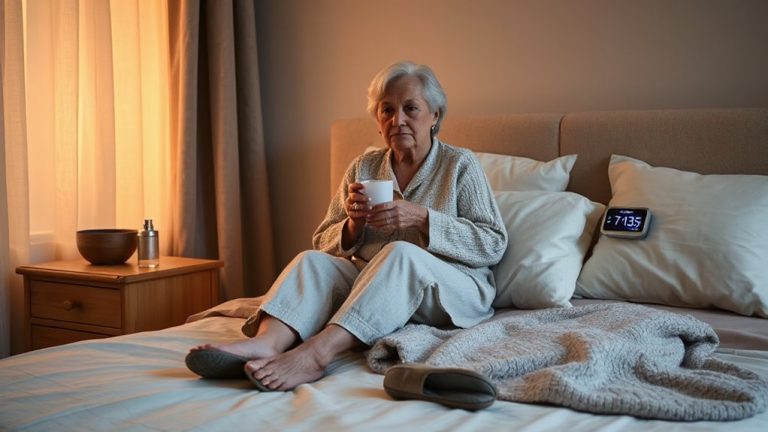
Train Yourself to Need Less Sleep? What the Science Says
You can’t truly train yourself to need less sleep-your body still requires seven to nine hours for peak function. While better sleep habits may improve efficiency, most people don’t adapt long-term. Cutting sleep risks mood swings, poor focus, and health issues over time. A few genetically rare individuals manage well on less, but that’s not the norm. Improving sleep quality and using short naps wisely can help you feel more alert, even if you’re not getting more rest. There’s more to uncover about how sleep needs vary and what strategies actually work.
Notable Insights
- Most adults cannot train themselves to need less sleep and still function optimally.
- Polyphasic sleep schedules lack long-term evidence and may disrupt natural sleep cycles.
- Improved sleep efficiency doesn’t reduce total sleep need, which remains seven to nine hours.
- Genetic mutations like DEC2 allow rare individuals to thrive on less sleep, but this affects under 1%.
- Chronic sleep loss harms mood, cognition, immunity, and overall long-term health.
Can You Train Yourself to Need Less Sleep?
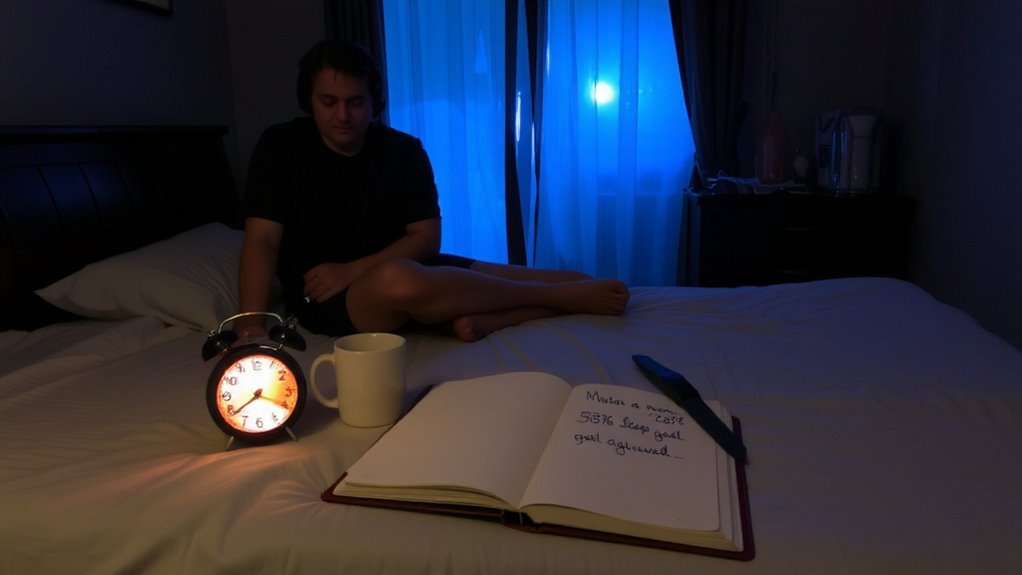
How much sleep do you really need-and can you train your body to get by on less? Most adults need seven to nine hours, but some try sleep hacking to reduce rest time. Techniques like polyphasic sleeping-taking multiple short naps instead of one long stretch-claim to boost efficiency. These methods require strict schedules, often involving 20- to 30-minute naps every few hours. While some users report increased alertness, the disruption to natural sleep cycles may affect memory and mood. There’s little evidence the body truly adapts long-term. Sleep aids might help short-term adjustment, but reliance can develop. For those with sleep disorders, such routines may worsen symptoms. Trial periods are possible, but results vary widely. There’s no universal warranty on performance gains. Consider your health, lifestyle, and needs before shifting patterns.
Does Science Support Needing Less Sleep?
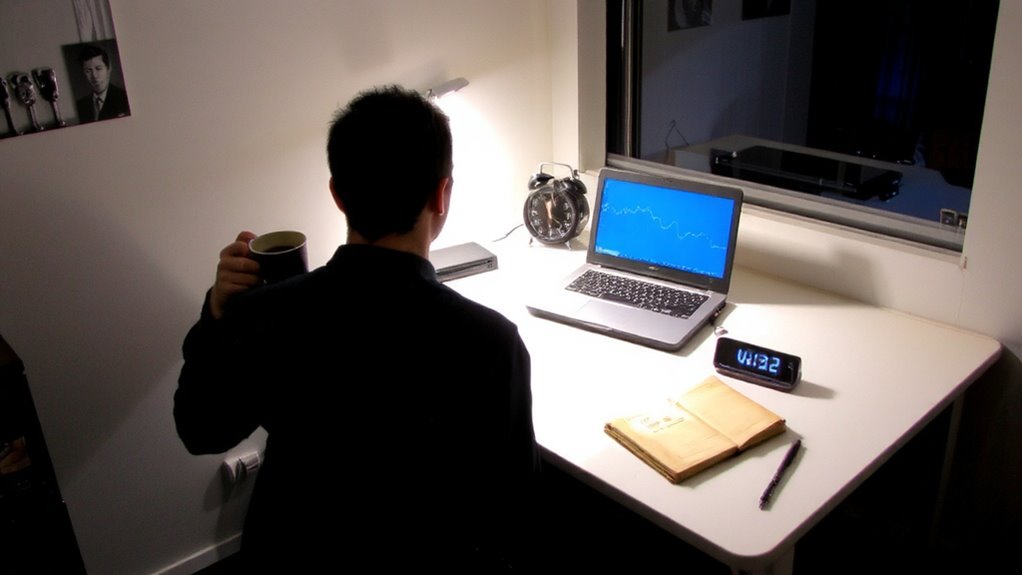
A growing body of research suggests that while you might adjust your sleep schedule slightly, your body likely can’t be trained to truly need less sleep over the long term. You may improve sleep efficiency-how well you sleep when in bed-through consistent routines, a dark quiet room, and avoiding screens before bed. Some people show circadian flexibility, meaning their internal clock adapts better to shifts in sleep timing, but that doesn’t reduce sleep need. Most adults still require seven to nine hours nightly for peak function. Supplements or sleep aids might help short-term, but they don’t replace natural sleep’s benefits. If you struggle with sleep timing or quality, consider tracking patterns and consulting a specialist. Devices and apps offering sleep feedback can guide adjustments. Warranties on such tools often include customer support for setup and interpretation. Trial periods let you assess real-world performance before full commitment. For accurate insights, using a reliable sleep quality monitor can help identify patterns affecting rest.
What Happens When You Don’t Get Enough Sleep?
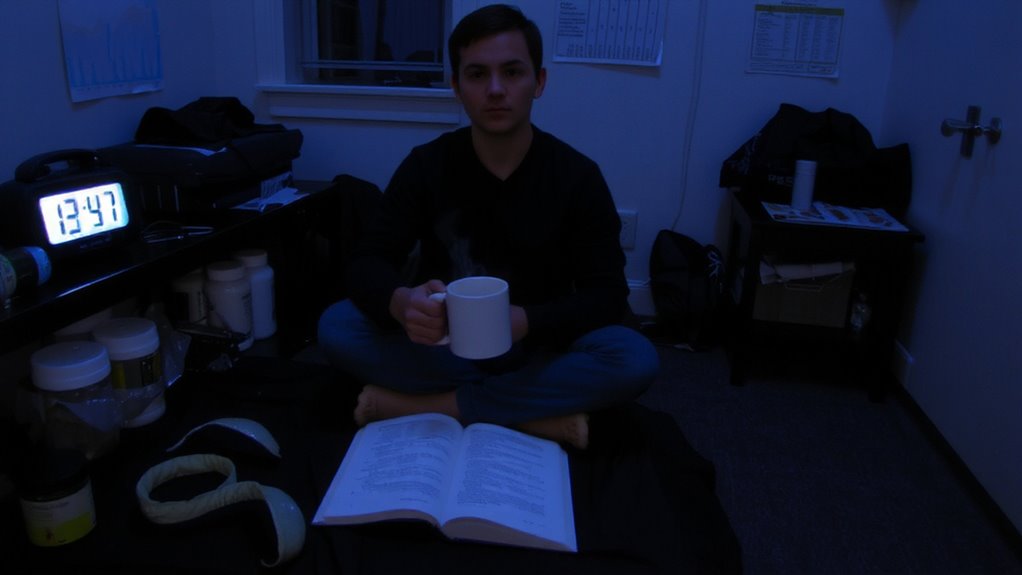
You might think pushing through fatigue is a sign of resilience, but skimping on sleep carries real consequences that build up over time. Chronic sleep loss leads to memory lapses, making it harder to learn and focus. You’re also more vulnerable to illness due to weakened immunity. Even small deficits add up, affecting mood, reaction time, and long-term health.
| Effect | After 1 Night | After 1 Week |
|---|---|---|
| Mood | Irritable | Anxious, Depressed |
| Thinking | Slowed | Memory lapses, Poor judgment |
| Body | Tired | Weakened immunity, Higher risk of illness |
| Energy | Low | Consistently drained |
Ignoring your sleep needs compromises daily performance and health. Recognizing these patterns helps you make informed choices about rest, evaluate possible sleep disorders, and consider whether sleep aids might support-rather than replace-healthy habits. Some individuals turn to insomnia relief products to manage persistent sleep difficulties.
How to Cope With Less Sleep (Without Harming Health)
Why do some people seem to function fine on minimal sleep while others struggle after just a few hours short? You might not be able to train yourself to need less sleep, but you can cope better with occasional short nights. Focus on strong sleep hygiene-keep a consistent bedtime, avoid screens before bed, and limit caffeine after noon. These habits improve sleep quality, helping you feel more rested even with slightly less time in bed. When you’re short on rest, a 10- to 20-minute power nap can boost alertness without grogginess. Avoid long or late naps, as they can interfere with nighttime sleep. While sleep aids might seem useful, they often come with side effects or dependency risks. Instead, prioritize lifestyle adjustments. Regular exercise, stress management, and a cool, dark bedroom support better rest. These choices won’t reduce your sleep need, but they help you function well when sleep is temporarily limited. For enhanced results, consider incorporating Top Sleep Hygiene Picks into your nightly routine.
Who Needs Less Sleep: and Why Is It So Rare?
Not everyone struggles after a short night-some people thrive on six hours or less, waking alert and staying sharp all day. You might know someone like this, or perhaps you wish you were them. These rare individuals often carry genetic mutations, like in the DEC2 gene, that allow them to function well on minimal sleep. Scientists believe these mutations may have offered evolutionary advantages in certain environments, letting people stay awake longer to watch for danger or care for others. But such genes are extremely uncommon-fewer than 1% of people have them. Most adults still need seven to nine hours for peak health. Pushing beyond your body’s true needs can lead to long-term risks. If you’re tired despite enough sleep, consider sleep disorders or aids, but don’t assume you’re built to need less. Test changes carefully, track your energy and focus, and review any sleep aid warranties or trial periods before relying on them.
On a final note
You can adapt slightly to less sleep, but your body still needs 7–9 hours for peak function. Chronic short sleep harms focus, mood, and health. Some people genetically require less, but they’re rare. If you’re struggling, check for sleep disorders and consider proven aids like CBT-I instead of relying on supplements. Always prioritize rest over shortcuts, and consult a doctor if sleep issues persist.