Validating Self-Reported Sleep Quality Against Objective Measures of Morning Stiffness Duration
You might feel rested, but morning stiffness lasting over 30 minutes suggests poor physical recovery, even if you report good sleep. Self-reports often miss nighttime disruptions like brief awakenings or shallow cycles. Objective signs-stiffness, movement patterns, heart rate variability-reveal what surveys don’t. Wearables that track temperature, breathing, and restlessness help align how you feel with what your body experienced. Tools with trial periods let you test accuracy before committing.
Notable Insights
- Morning stiffness duration objectively reflects poor sleep quality and incomplete physical recovery.
- Self-reported sleep quality often overlooks nocturnal disturbances that contribute to morning stiffness.
- Objective measures like movement frequency and heart rate variability correlate with stiffness severity.
- Core body temperature trends during sleep can predict morning stiffness and recovery quality.
- Wearable sensors help validate self-reports by linking sleep data to morning stiffness duration.
Why Morning Stiffness Signals Poor Sleep Quality
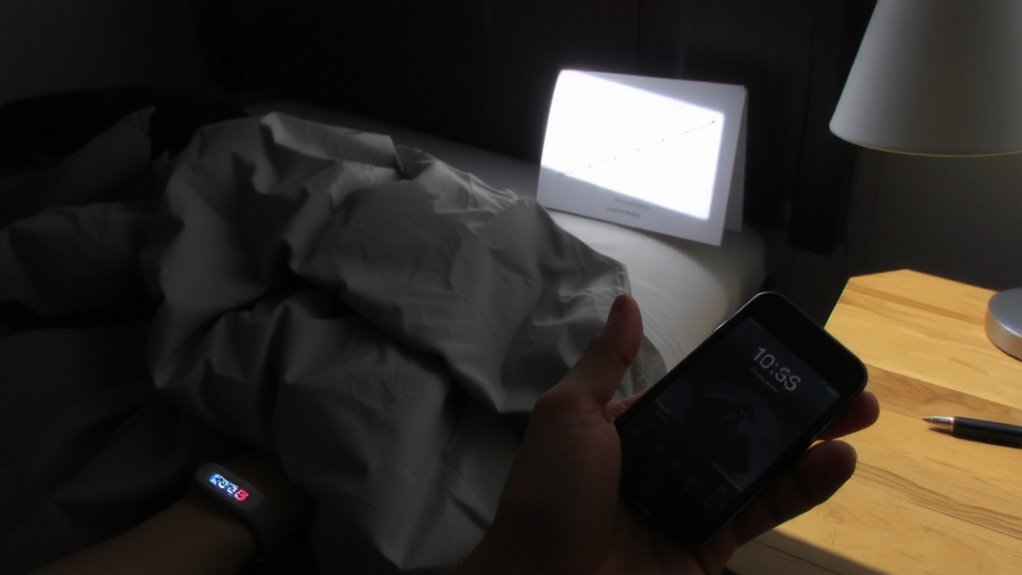
Morning stiffness isn’t just an annoyance-it can be a clear sign that your sleep quality isn’t where it should be. When you wake up with tight joints or sore muscles, your body might be dealing with increased muscle tension or an ongoing inflammatory response. Poor sleep disrupts recovery, leaving tissues less time to repair and more prone to stiffness. This isn’t just about comfort; it’s a signal your rest cycle isn’t supporting healing. Prolonged stiffness may point to undiagnosed sleep disorders or even chronic conditions. You might benefit from reviewing your sleep environment, like mattress support or room temperature, which can influence both muscle tension and inflammation. Some sleep aids, like adjusted pillow placement or anti-inflammatory bedding materials, could help. Consider tracking stiffness duration for a few mornings-it gives real data to discuss with a sleep specialist or doctor, helping you make informed choices about next steps. An adjustable bed with proper support may improve alignment and reduce discomfort, and using a compatible mattress pad for adjustable beds can enhance comfort and pressure relief.
How Self-Reports Get Sleep Quality Wrong
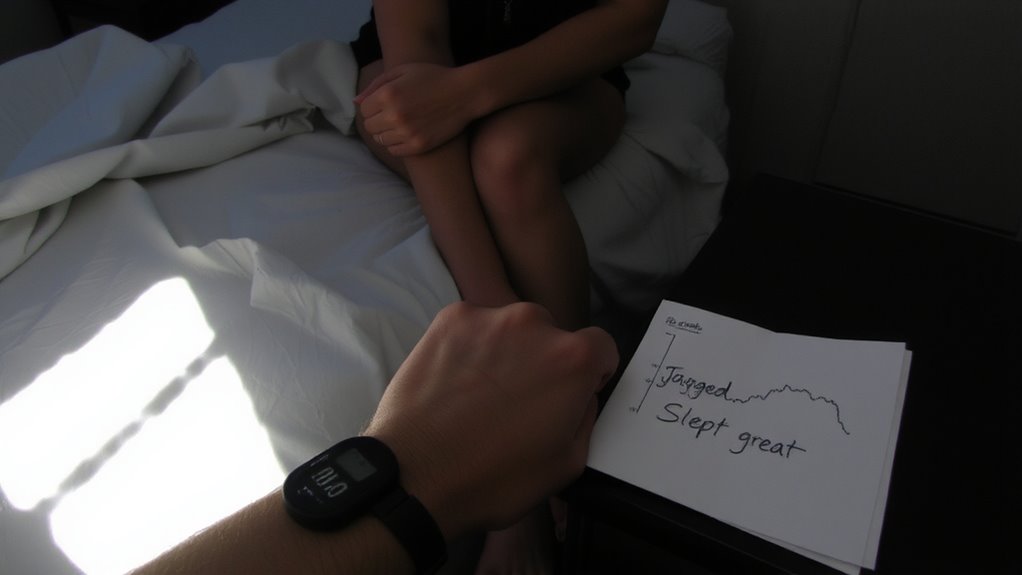
You might think you know how well you slept based on how you feel in the morning, but your memory of sleep often misses the real picture. Self-reports rely on recall bias, meaning you might forget brief awakenings or misjudge how long you were restless. You may feel refreshed and assume you slept well, yet objective data could show frequent disruptions. This subjective interpretation varies from person to person-what one calls “poor sleep,” another might call “normal.” Factors like mood, stress, or expectations shape how you rate your rest, even if your body didn’t actually sleep better or worse. Because of this, sleep logs or surveys alone can’t fully capture sleep quality. They’re useful for spotting trends but limited when diagnosing issues or choosing sleep aids. For better insights, pair your self-reports with objective tools-like wearable trackers or clinical assessments-to make informed decisions about sleep health, treatment options, or product trials with reliable warranties.
What Your Body Reveals About Real Sleep Quality
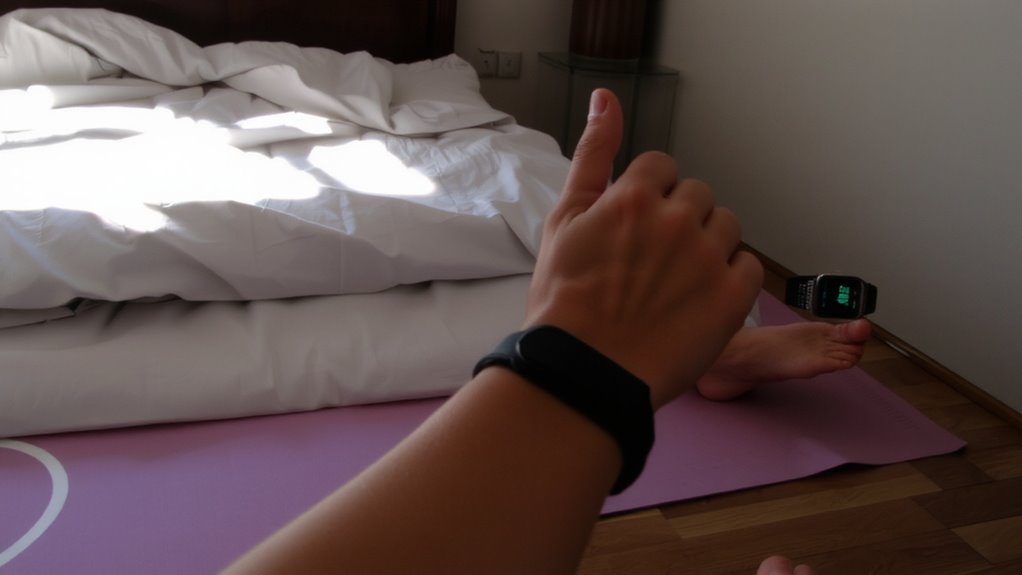
What if the key to understanding your sleep isn’t in how you feel, but in what your body silently records throughout the night? Your sleep cycles and body temperature shifts reveal truths your memory might miss. Devices tracking these patterns show when you actually enter deep rest or wake briefly, often without awareness. Below is how objective markers compare to common self-reports:
| Body Signal | What It Tells You |
|---|---|
| Core body temperature drop | Signals onset of sleep cycles |
| Heart rate variability | Reflects sleep depth |
| Movement frequency | Indicates restlessness |
| Breathing patterns | Shows potential disruptions |
| Overnight temperature trends | Helps assess recovery quality |
These signals help identify whether your sleep environment or routine supports true recovery. Tracking them can guide decisions about sleep aids or when to seek evaluation for sleep disorders-all without relying just on how rested you think you feel.
When You Feel Rested But Your Body Isn’t
Could it really be that you’re waking up feeling refreshed while your body’s still recovering from poor sleep? Yes, and it’s more common than you think. You might have mental alertness right after rising, but hidden body fatigue lingers beneath. That stiffness, slight muscle resistance, or joint tightness? It’s your body signaling incomplete recovery. This mismatch happens when sleep lacks restorative depth, even if your mind feels sharp. Relying only on how rested you feel can miss physical strain that affects daily movement and energy. Recognizing this disconnect helps you decide if changes are needed-whether trying sleep aids, adjusting habits, or evaluating for sleep disorders. Tools with performance tracking can clarify the gap between perceived rest and actual recovery. Some include trial periods or warranties, letting you test effectiveness. You don’t have to guess-measurable feedback supports smarter decisions.
Combine Sensors and Logs for Better Sleep Quality
Physical recovery doesn’t always match how awake or alert you feel in the morning, and that gap can be measured more accurately by combining objective data with personal observation. You can use wearable sensors and sleep logs together to get a clearer picture of your sleep quality. Sensor fusion blends inputs like heart rate, movement, and breathing patterns from devices to track your sleep stages and restfulness. When you add your own notes-how stiff you felt, mood, or alertness-you create data triangulation. This approach helps spot inconsistencies, like feeling refreshed but having poor sleep efficiency. It’s useful for identifying patterns linked to sleep disorders or judging how well sleep aids work. Devices with long battery life and easy apps make tracking easier. Some even offer trial periods or warranties, so you can test them confidently. For reliable performance in both areas, consider models recognized as the best smartwatches for sleep.
On a final note
You can feel rested but still carry hidden sleep issues, like prolonged morning stiffness. Self-reports often miss this, while objective data from wearables reveal deeper patterns. Combining your sleep logs with sensor data gives a clearer, more accurate picture. This approach helps spot real problems early and guides smarter choices about sleep aids, routines, or when to seek help-backed by evidence, not guesswork. Trial periods and warranties let you test solutions safely.