Sleep Disorders 101: An In-depth Guide to Common Conditions
You might not realize it, but untreated sleep issues like insomnia, sleep apnea, or restless leg syndrome can slowly harm your heart, mood, and focus. Snoring or daytime fatigue could signal breathing pauses at night, while sudden sleep attacks may point to narcolepsy. A consistent bedtime, reduced screen use, and seeing a specialist for a sleep study can make a real difference-especially if symptoms persist. Exploring next steps could uncover effective, science-backed solutions tailored to your needs.
Notable Insights
- Sleep disorders like insomnia, apnea, and RLS disrupt rest, harming mental and physical health over time.
- Insomnia often stems from poor sleep habits, blue light exposure, and caffeine, and benefits from routine and environment improvements.
- Sleep apnea involves breathing interruptions during sleep, diagnosed via sleep study, and commonly treated with CPAP therapy.
- Restless Leg Syndrome causes evening leg discomfort and urge to move, linked to iron levels and genetics, disrupting sleep onset.
- Narcolepsy leads to sudden sleep attacks and cataplexy, requiring specialist evaluation and polysomnography for accurate diagnosis.
What Sleep Disorders Do to Your Health
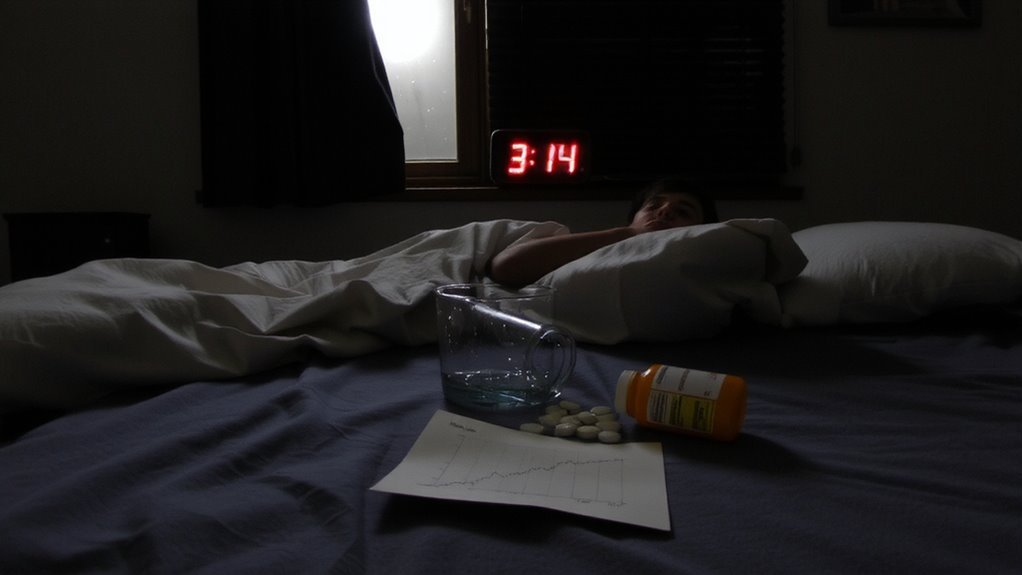
Even if you think you’re getting enough sleep, undiagnosed sleep disorders can quietly harm your health over time, weakening both mental and physical performance. You might not realize it, but poor sleep quality increases cardiovascular risks, including high blood pressure and heart disease. Breathing disruptions or restless limbs during sleep strain your body, making recovery harder. Over time, these issues also contribute to mental health decline, worsening anxiety, depression, and focus. Daytime fatigue affects decisions, reaction times, and overall well-being. Identifying symptoms early-like loud snoring, gasping at night, or chronic restlessness-can lead to better outcomes. Treatments vary: CPAP machines help with breathing, while movement disorders may need medication. Some use sleep aids short-term, but long-term solutions focus on diagnosis and consistent routines. Consider a sleep study if problems persist. Most clinics offer trials or follow-ups, and many devices come with warranties. Addressing sleep now supports a healthier, more stable future. Side sleepers using CPAP therapy may find relief with best CPAP pillows for side sleepers designed to accommodate masks and reduce pressure points.
Insomnia: Why You Can’t Fall or Stay Asleep
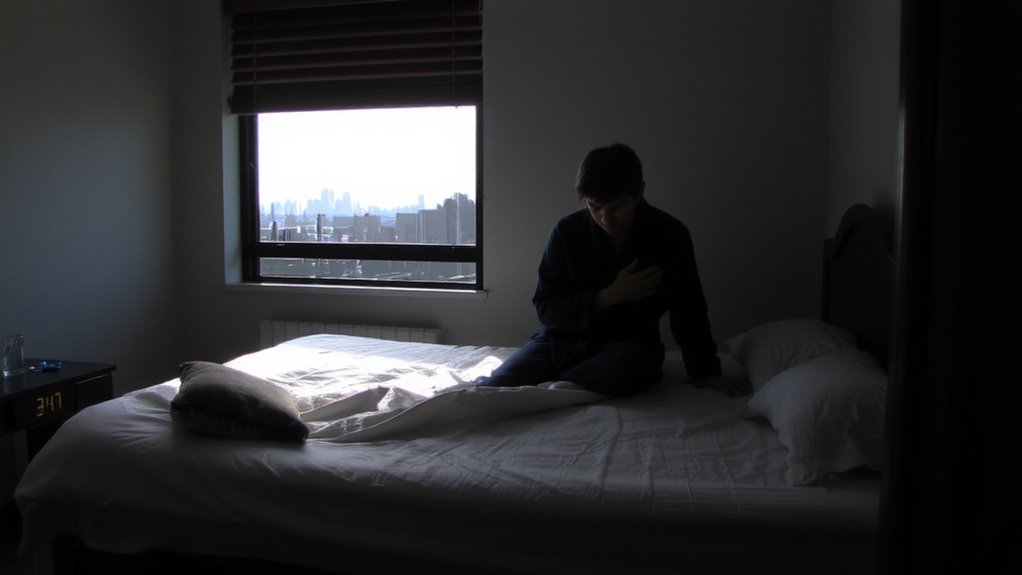
You might already know that poor sleep affects your health, but when it’s hard to fall asleep or you wake up repeatedly at night, insomnia could be the main issue. It often ties to disruptions in your circadian rhythm or poor sleep hygiene. Fixing these can make a real difference. Consider adjusting your routine and environment to support better sleep patterns.
| Cause | Solution |
|---|---|
| Irregular bedtime | Set a consistent schedule |
| Screen use before bed | Limit blue light exposure |
| Caffeine late in day | Avoid stimulants after 2 PM |
Improving sleep hygiene-like keeping a dark, cool room and winding down with a book-helps reset your circadian rhythm. Some find relief with over-the-counter aids, but check with your doctor first. Trying small, lasting changes often works better than quick fixes. Give each adjustment a few nights to see results. Effective insomnia remedies can include both lifestyle changes and targeted supplements.
Sleep Apnea: Why You Stop Breathing at Night
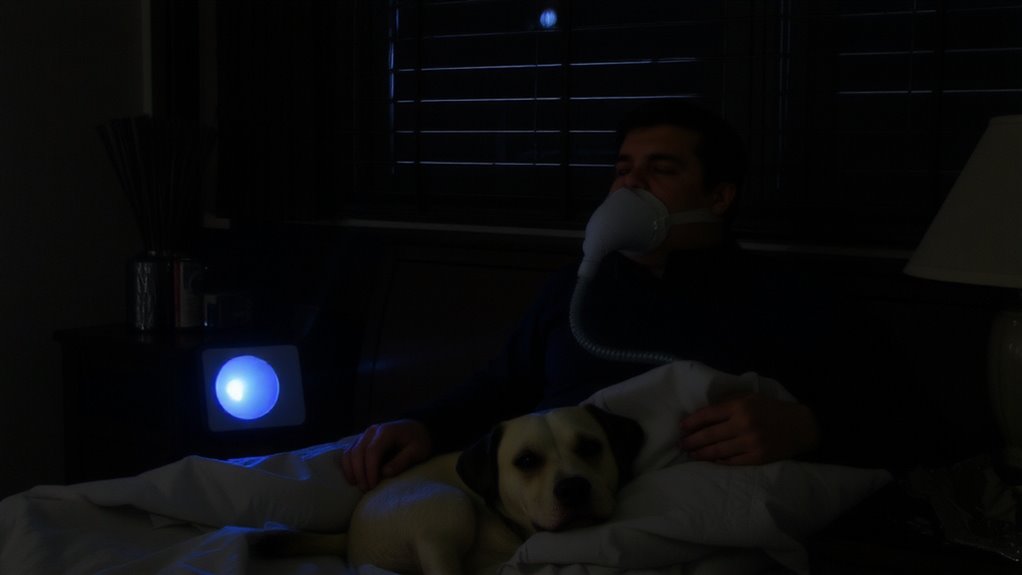
What if your snoring wasn’t just a nuisance but a sign your breathing stops while you sleep? Sleep apnea causes repeated pauses in breathing, often without you knowing. These interruptions fall into two main types: obstructive events, when throat muscles relax and block the airway, and central episodes, where your brain fails to signal breathing muscles. You might gasp, choke, or wake briefly dozens of times each night, disrupting deep sleep. Common signs include loud snoring, daytime fatigue, and morning headaches. A sleep study can confirm the diagnosis and severity. Treatments like CPAP machines keep airways open using gentle pressure, reducing obstructive events and stabilizing breathing patterns. Some devices adjust automatically, especially helpful if central episodes are present. Most units are quiet, compact, and come with trial periods and warranties. Consider comfort features like heated humidifiers or adjustable straps when choosing one. Cleaning your CPAP equipment regularly is essential for hygiene and performance, and using a CPAP cleaner can simplify this routine. Early intervention improves sleep quality and long-term health outcomes.
Restless Leg Syndrome: The Urge to Move at Bedtime
There’s a chance you’ve felt it after getting into bed-the creeping, hard-to-ignore urge to move your legs, often accompanied by tingling, itching, or a deep discomfort that eases only when you shift positions. That’s Restless Leg Syndrome (RLS), a condition where leg movement feels necessary, especially in the evening or at rest. It’s not just restlessness; it’s a strong internal pull to stretch or pace, disrupting your ability to fall asleep. This constant need leads to sleep disruption, lowering sleep quality over time. Symptoms vary, and while the exact cause isn’t always clear, iron levels, nerve function, and genetics can play roles. You might benefit from checking your iron with a doctor or adjusting lifestyle habits. Some find relief with gentle stretching or cooling leg wraps. Medications and therapies exist, but starting with low-risk strategies helps you weigh long-term effectiveness safely.
Narcolepsy: Sudden Sleep Attacks and Daytime Fatigue
A sudden wave of sleepiness can strike at the worst moments-mid-conversation, during work, or even while driving-and when it happens regularly, narcolepsy might be the cause. This condition disrupts your ability to regulate sleep-wake cycles, leading to overwhelming daytime fatigue no matter how much you rest. You might experience cataplexy episodes, where strong emotions trigger sudden muscle weakness, from slurred speech to buckling knees. These are different from sleep paralysis, which happens when you’re unable to move or speak briefly while falling asleep or waking up. While unsettling, these symptoms are part of the disorder’s pattern. Narcolepsy affects focus, mood, and daily performance. Recognizing symptoms like sudden fatigue, fragmented sleep, or unusual physical reactions can help you decide when to seek more information. It’s not just tiredness-it’s a medical condition needing understanding and proper management.
How to Get Diagnosed and Start Treatment?
Why does your brain struggle to stay awake when you’ve had enough sleep? It might be a sign of a sleep disorder like narcolepsy. The first step to answers is sleep tracking-recording your sleep patterns with a diary or wearable device. This data helps spot irregularities over time. Next, schedule a medical consultation with a sleep specialist. They’ll review your history, symptoms, and sleep tracking results. You may need a sleep study, which monitors brain activity, breathing, and movement overnight. Accurate diagnosis guides effective treatment-options include medications, lifestyle changes, or scheduled naps. Some treatments come with a trial period or require adjustments. Always discuss side effects and long-term use with your doctor. Starting care early improves daily functioning and quality of life. Don’t ignore persistent fatigue-it’s worth investigating with professional support.
On a final note
You’ve learned how sleep disorders impact health and what signs to watch for. If you’re struggling, talk to a doctor-they can help find the right treatment, from lifestyle changes to devices or medication. Many options, like CPAP machines or therapy, come with trials or warranties. Start with a sleep study, then decide what fits your life. Small steps can lead to better rest, improved focus, and long-term wellness.