How Light Affects Your Internal Clock and Sleep Patterns
Light tells your internal clock when to feel awake or tired by influencing melatonin and cortisol. Morning sunlight resets your rhythm, boosting alertness and improving sleep quality over time. Evening blue light from screens or bulbs delays melatonin, making it harder to fall asleep. Using dim, warm lights and limiting screen time at night supports natural sleep timing. Your choices about light exposure can reduce the need for sleep aids and improve energy-small changes often lead to clearer results than expected.
Notable Insights
- Light is a primary cue that regulates the circadian rhythm, influencing when you feel awake or sleepy.
- Blue light from screens suppresses melatonin at night, delaying sleep onset and disrupting sleep quality.
- Morning sunlight exposure resets the internal clock by boosting alertness and suppressing melatonin.
- Evening light, especially blue-rich light, delays melatonin release and shifts the body’s natural sleep time.
- Using bright light in the morning and minimizing blue light at night helps align sleep patterns with the circadian rhythm.
What Is Your Circadian Rhythm and How Does Light Control It?
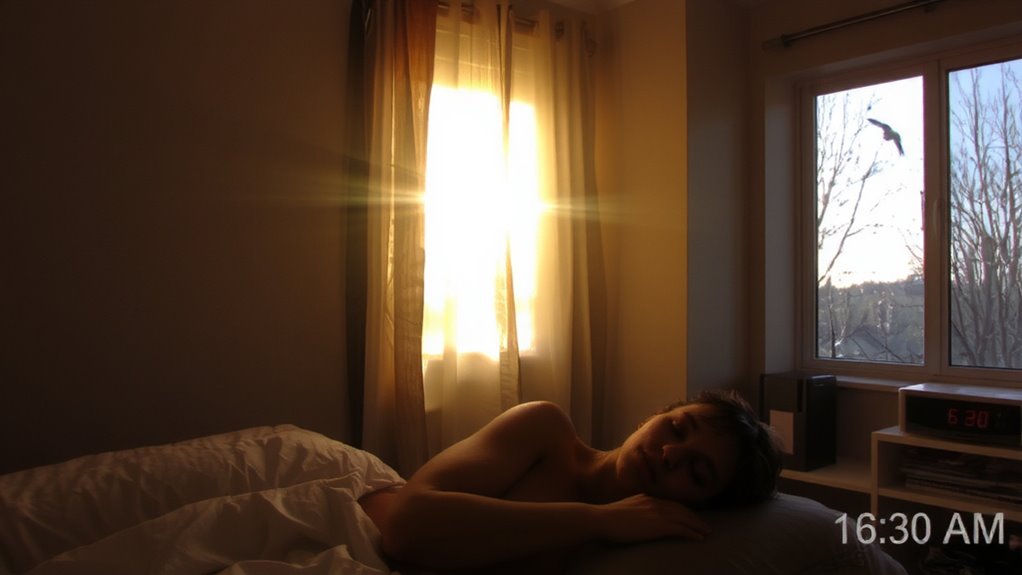
Your body’s internal clock, known as the circadian rhythm, runs on a roughly 24-hour cycle and helps regulate when you feel awake or tired. Light is one of the strongest cues influencing this rhythm, especially blue light emitted by screens and energy-efficient bulbs. Exposure to blue light in the evening can lead to melatonin suppression, delaying sleep onset and reducing sleep quality. Melatonin, a hormone that signals darkness, rises naturally at night-unless light interferes. Limiting screen time before bed or using blue light filters may support healthier melatonin release. These adjustments can improve sleep timing and reduce reliance on sleep aids over time. Consider devices with built-in night modes or wearable options that track light exposure. Small changes in your light environment help align your circadian rhythm with natural day-night cycles, supporting long-term sleep health without drastic measures.
Why Does Morning Light Help You Feel Alert?
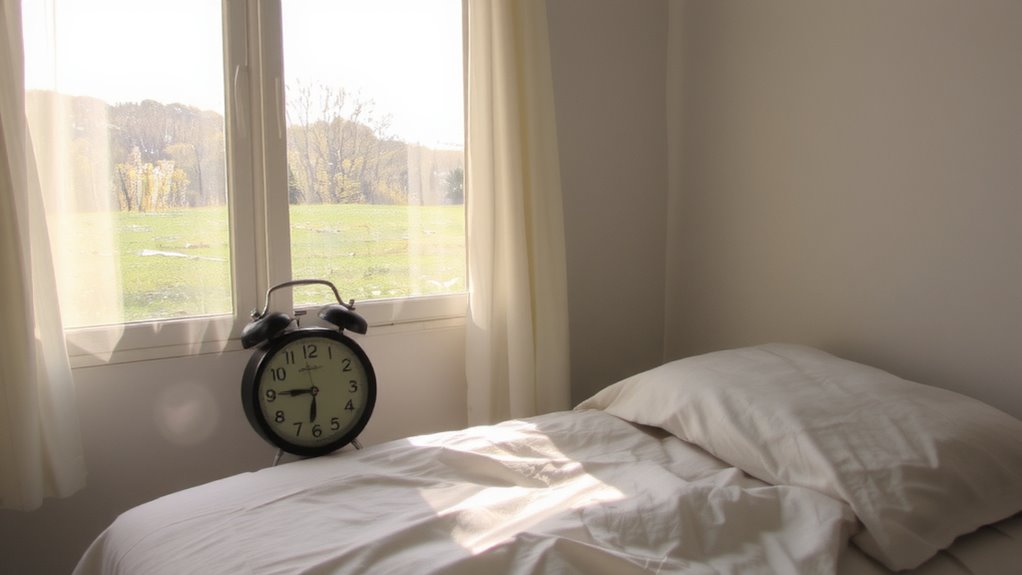
Morning sunlight plays a key role in resetting your internal clock just as evening darkness helps wind it down. When you’re exposed to morning light, your eyes send neural signals to your brain’s suprachiasmatic nucleus, which regulates biological processes tied to alertness. These signals suppress melatonin production and increase cortisol levels, helping you feel awake and focused. Because morning light strengthens circadian rhythm consistency, it can improve sleep quality and reduce fatigue over time. Getting even 15–30 minutes of outdoor light soon after waking supports this natural shift. For those struggling with sleep onset or daytime drowsiness, timed light exposure is a noninvasive, low-risk strategy. Unlike sleep aids, it doesn’t require dosing or carry side effects, making it ideal for long-term use. Consistent morning light may also enhance mood, energy, and mental performance-especially during darker months.
How Does Evening Light Delay Sleep?
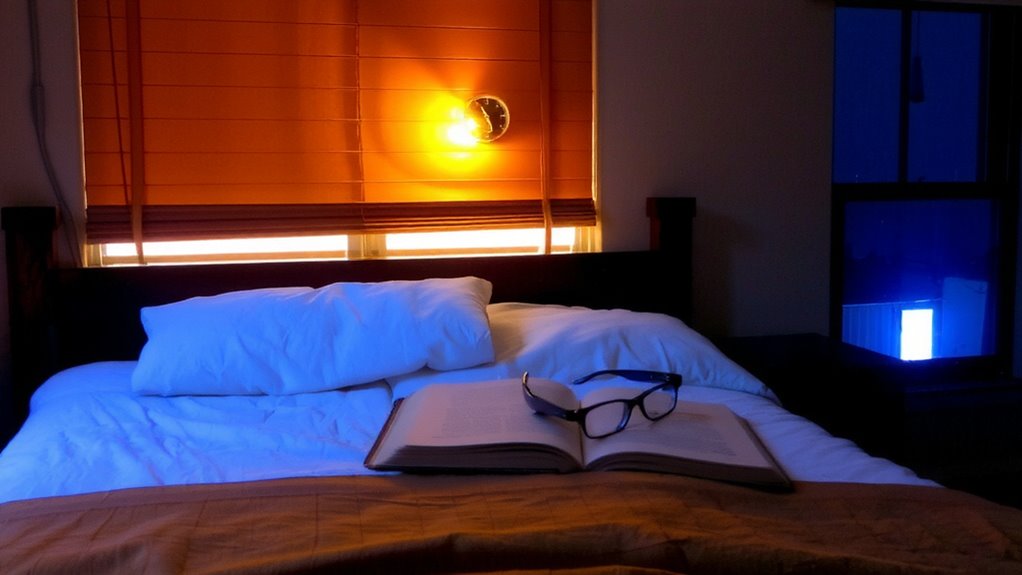
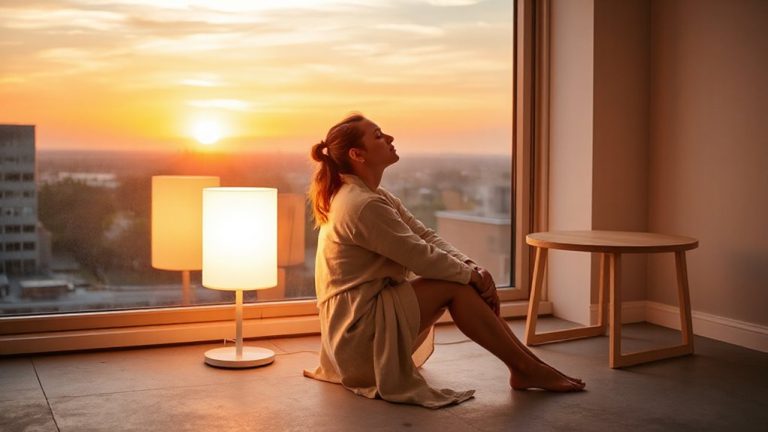
While your brain relies on darkness to signal that it’s time to wind down, exposure to bright or blue-heavy light in the evening can interfere with that process. Blue light, especially from lamps or overhead fixtures, triggers melatonin suppression, delaying the natural sleep onset your body expects. When melatonin levels drop later than usual, your internal clock shifts, making it harder to fall asleep at your intended time. This delay can affect sleep quality and next-day alertness, especially if it happens regularly. Using warmer, dimmer lights in the evening helps reduce blue light exposure and supports melatonin release. Consider adjusting room lighting two hours before bed to ease the shift into sleep. These small changes support your circadian rhythm without drastic lifestyle shifts, improving long-term sleep consistency. Over time, minimizing evening light interference can enhance both falling asleep and staying asleep, contributing to better overall sleep health. For optimal results, choose lighting with warm white LED bulbs that mimic natural sunset tones.
Is Screen Light Ruining Your Sleep?
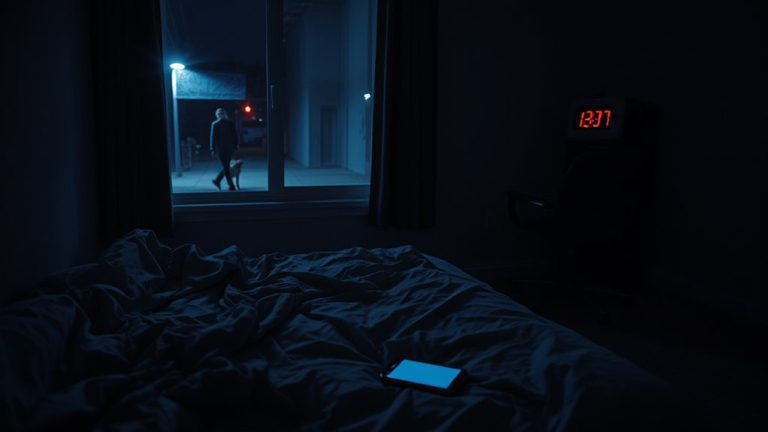
What if the screen you’re using at night is quietly disrupting your sleep? Many devices emit blue light, which your brain can mistake for daylight. This tricks your internal clock, slowing melatonin release and leading to sleep disruption. Studies show evening screen use, especially within an hour of bedtime, may reduce sleep quality and delay sleep onset. Tablets, phones, and computers all contribute, particularly in dim rooms where screen brightness stands out. While blue light filters and night modes are available, their effectiveness varies by device and user habits. If you use screens late, consider lowering brightness or using built-in settings that reduce blue light. There’s no universal fix, but small changes may help reduce interference with your natural sleep cycle. Watching how your body responds over a few nights can guide smarter choices without needing sleep aids.
How Can You Use Light to Reset Your Sleep Schedule?
You can take control of your sleep schedule by working with light, not against it. Exposure to bright light, especially blue light, in the morning helps reset your internal clock by signaling wakefulness. If you struggle with falling asleep early or waking up late, aim for 20–30 minutes of natural or artificial bright light soon after your desired wake time. Some people use light therapy boxes that emit blue-enriched light to strengthen this effect. For a gentler start, an artificial dawn simulator gradually increases light in your bedroom before waking, mimicking sunrise and easing your body awake. These tools can support shift workers or people adjusting to new time zones. Results vary, so consistent daily use over several days is key. Most devices offer adjustable settings and come with trial periods, letting you test what works best for your rhythm. For effective options, consider trying one of the best sleep therapy lamps based on expert testing and user feedback.
How Do You Create a Sleep-Friendly Lighting Routine at Night?
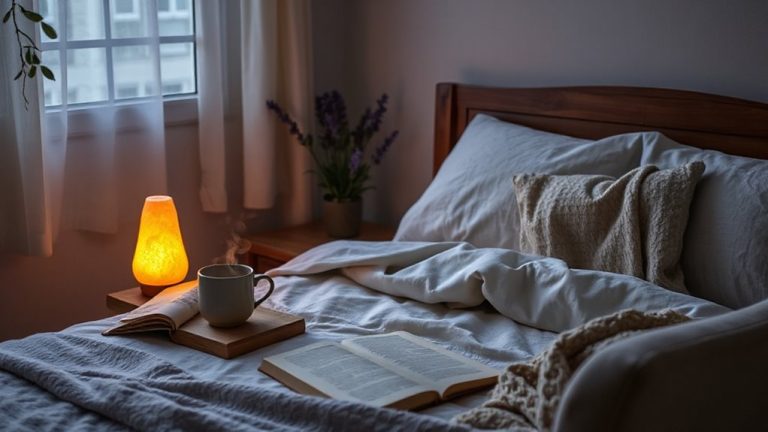
If you’re looking to improve your sleep quality, adjusting your evening lighting can make a real difference. Start by dimming lights one to two hours before bed to signal your body it’s time to wind down. Replace bright overhead lights with lamps that use warm-colored bulbs, which mimic sunset and support melatonin release. Avoid screens when possible, or use blue light filters if you must check your phone or tablet. Dim lighting helps your internal clock shift into sleep mode naturally. Consider using smart bulbs that gradually change brightness and color temperature in the evening. If you get up at night, use small nightlights instead of turning on bright lights. This routine supports a smoother shift to sleep and may reduce reliance on sleep aids. Consistency matters-stick with it nightly for best results. For targeted solutions, explore Best Sleep-Friendly Lighting Picks to find bulbs and fixtures designed to support healthy sleep cycles.
On a final note
Light plays a key role in shaping your sleep and wake cycle. Morning light sharpens alertness, while evening light can delay sleep by delaying melatonin. Reducing screen exposure at night helps maintain natural rhythms. Using bright light early and dim, warm light later supports better timing. Try adjusting your lighting routine gradually, and track changes in how easily you fall asleep or wake up. Small shifts often improve sleep quality over time.