Why Skipping Evening Exercise Prevents Sleep Disruption in Sensitive Individuals
Skipping evening workouts helps you avoid raising your body temperature and cortisol levels too close to bedtime, which can delay melatonin release and disrupt sleep onset. If you’re sensitive, late exercise may lead to restlessness or fragmented sleep. Allowing 4–6 hours between intense activity and bed lets your system cool and hormones balance. You’ll likely fall asleep faster and sleep more soundly. Choosing calming alternatives might reveal even greater benefits for your nightly rest.
Notable Insights
- Evening exercise raises core body temperature, delaying the natural cooldown needed for sleep onset in sensitive individuals.
- Late workouts increase cortisol and adrenaline, which can prolong alertness and interfere with falling asleep.
- Intense activity close to bedtime disrupts melatonin release, reducing sleep quality even if duration appears normal.
- Sensitive individuals experience prolonged post-exercise arousal, leading to restlessness and fragmented nighttime sleep.
- Avoiding evening exercise allows physiological systems to normalize, supporting circadian alignment and uninterrupted sleep.
Signs Your Evening Workout Is Disrupting Your Sleep
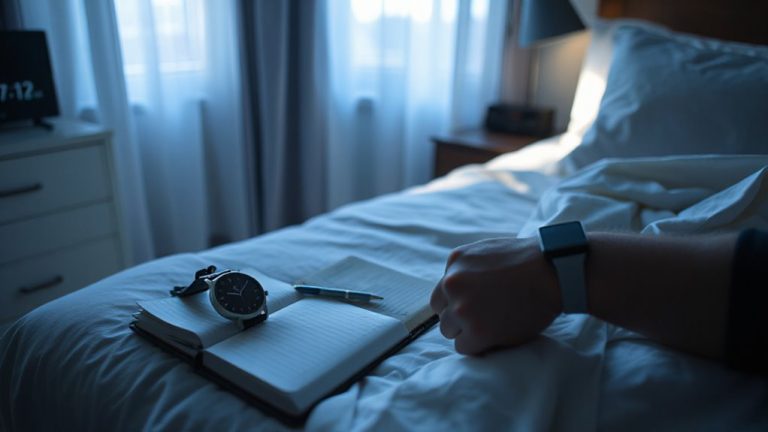
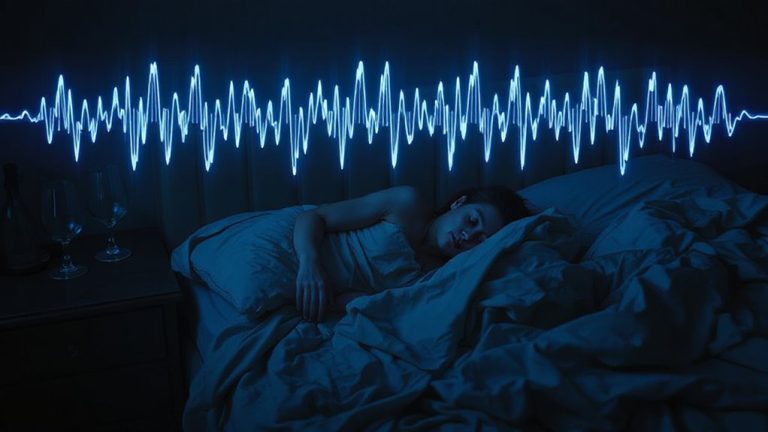
Could your evening sweat session be the reason you’re staring at the ceiling at 2 a.m.? If you’re experiencing restlessness, frequent awakenings, or trouble falling asleep, your workout might be one of several insomnia triggers. Late exercise can cause a temporary hormonal imbalance, elevating cortisol and delaying melatonin release-your body’s signal for sleep. You might not feel wired, but subtle shifts in heart rate and alertness can still interfere. Watch for signs like mental fogginess the next day or reduced sleep quality, even if total hours seem normal. These are clues your routine needs adjusting. Consider shifting workouts earlier or tracking sleep patterns for a week. If disruptions persist, evaluating sleep aids or consulting a professional helps distinguish between lifestyle factors and potential sleep disorders. Simple timing tweaks often restore balance-no special equipment or prescriptions needed.
How Exercise and Body Heat Delay Sleep at Night
Even though you might feel tired after an evening workout, the rise in your core body temperature can interfere with your ability to fall asleep quickly. Your body temperature naturally drops in the evening to align with your circadian rhythm, signaling that it’s time for rest. Exercise raises this internal heat, delaying that cooling process and shifting your sleep cycle. This delay can make it harder to fall asleep at your usual time, even if you feel physically worn out. The higher your body temperature stays after working out, the longer this disruption may last. For sensitive individuals, this change can reduce sleep quality and consistency. Recognizing this helps inform choices around timing, sleep aids, or adjustments to routine. Monitoring how your body responds allows you to balance fitness goals with rest needs, supporting long-term sleep health.
Why Some People Can’t Handle Late Workouts
Why do late workouts leave some people wide awake, even when they’re exhausted? You might be more sensitive to exercise-induced changes than you realize. If you struggle with sleep after evening workouts, hormonal sensitivity could be why. Physical activity boosts adrenaline and cortisol, which elevate alertness-effects that can linger longer in sensitive individuals. Even though your body temperature rises and eventually drops to signal sleep, that delayed cooldown might not align with your internal clock. This mismatch points to circadian misalignment, where your natural rhythm clashes with post-exercise recovery. For some, this leads to trouble falling or staying asleep. Consider how your body responds uniquely before deciding on workout timing. Pay attention to sleep quality, not just duration. If late exercise disrupts your rest consistently, adjusting the schedule may help improve alignment and support better sleep outcomes without needing aids.
Best Time to Work Out for Deeper Sleep
When aiming for deeper sleep, timing your workout can make a meaningful difference in how well you recover overnight. For circadian alignment, morning or early afternoon exercise often works best, helping your body sync with natural energy cycles. You’ll likely see better melatonin release at night if you finish intense activity at least 4–6 hours before bed. That delay allows your core temperature and cortisol levels to settle, creating conditions favorable for sleep onset. Lighter workouts, like stretching or walking, don’t disrupt rhythms as much, but high-intensity efforts are better earlier. If you’re sensitive to timing, try tracking sleep quality after shifting your workout earlier. Most people notice improved sleep depth and consistency. It’s a practical, no-cost adjustment with strong support from sleep research. No equipment or aids needed-just mindful scheduling.
Sleep-Safe Alternatives to Evening Workouts
You’ve probably found that evening workouts leave you too alert to wind down easily, especially if they’re intense. Instead, try sleep-safe alternatives that ease your body into rest. Gentle yoga stretches lower muscle tension and slow your breathing, signaling it’s time to relax. Even ten minutes can improve sleep quality without raising core temperature. Pair this with simple meditation techniques, like focused breathing or body scans, to quiet mental chatter. These methods don’t stimulate the nervous system like cardio or strength training. They’re easy to learn, require no equipment, and can be done at home with minimal space. Many apps offer guided sessions backed by sleep research, often with free trials. Unlike sleep aids, they carry no side effects and support long-term sleep hygiene. Consider making them part of a consistent evening routine, helping your body anticipate rest naturally, without dependency risks.
Evening Activities That Help You Wind Down Instead of Working Out
While vigorous exercise late in the day can interfere with your ability to fall asleep, shifting to calming evening activities may support a smoother shift into rest. You can try gentle stretching, which helps release muscle tension without raising your heart rate. Activities like yoga or simple floor stretches take little time and need no special equipment. Calming hobbies such as reading, journaling, or coloring engage your mind quietly and signal that it’s time to slow down. These practices don’t stimulate the nervous system like workouts do, so they’re less likely to delay sleep onset. If you’re sensitive to nighttime arousal, swapping intense movement for low-effort routines may improve your sleep quality over time. Results vary, but many people notice better consistency in bedtime over a few weeks. Try one activity for five to seven days to judge its effect before making further adjustments.
Replace Late Workouts With a Sleep-Friendly Routine
Since intense physical activity can elevate your heart rate and alertness close to bedtime, shifting to a sleep-friendly routine might help you fall asleep more easily. Try replacing late workouts with gentle stretching or mindful breathing exercises, both of which signal your body to relax. Gentle stretching, like yoga poses or simple floor movements, eases muscle tension built up during the day. Pair that with mindful breathing-inhaling slowly through your nose, holding briefly, then exhaling-to calm your nervous system. These practices don’t require special equipment, take only 10–15 minutes, and can be done in low light. Unlike intense exercise, they don’t raise core temperature or stimulate alertness. Over time, doing them nightly helps reinforce your body’s natural sleep-wake cycle. If you struggle with falling asleep, this routine offers a low-risk, no-cost option to trial. Most find it works best when practiced consistently, without added sleep aids.
On a final note
You might feel more rested by shifting workouts to earlier in the day, especially if you’re sensitive to sleep disruption. Evening exercise can raise body temperature and alertness, delaying sleep onset. If you must work out late, opt for low-intensity activities and allow time to cool down. Consider replacing intense sessions with wind-down routines like stretching or light yoga. These support sleep without the drawbacks of stimulation, helping improve sleep quality over time.